elynjacobs

Archive for the ‘Uncategorized’ Category

Healing Paths for Cancer

In Uncategorized on June 13, 2014 at 3:53 pm

We refer to cancer as a disease, yet it is really a symptom.  The development of cancer is the result of  imbalances, excesses and deficiencies that deplete and overwhelm our immune system and allow cancer to form.  We may be estrogen dominant or otherwise hormonally imbalanced, we may have a heavy accumulation of toxins within the body or too much chronic emotional stress, and perhaps we don’t get enough nutrients to protect us.  Perhaps we are lacking emotional attachment and love. There are many theories on what causes cancer, but the reality is each cancer has its own origin.  The trick to ridding oneself of cancer is to uncover the root cause of our own individual cancer, and to address it, not put a band-aid on it.  Hence, because there are many triggers for cancer, there are also many paths for healing.

pathwaysFood as Medicine

Even with the best medical care, we cannot ignore that which creates the symptom of cancer.  While the current standard of care offers surgery, chemo and radiation, these treatments are not curative on their own—one must still change the cancer environment (and these “treatments” also encourage more cancer); we must fix what is broken.   We also must do everything possible to boost the efficacy and mitigate the damages of conventional treatments or explore other options.  How do we do this?  We make dietary changes that boost immunity and cut off the pathways of cancer,we  reduce and manage stress, get proper sleep and manage estrogen—in other words, we take control of our health.  And again, we explore all options. I highly recommend consulting with an integrative oncologist, a naturopathic doctor who specializes in cancer or a cancer coach.  https://elynjacobs.wordpress.com/integrative-oncologists-and-naturopathic-doctors/

If we decline conventional treatment or follow up pharmaceutical therapies, we still need a comprehensive plan to heal our body so we can heal our cancer. In the alternative world, there are many protocols, many theories.  Again, it comes down to knowing the options and finding the best path for you and your cancer.  For more information and resources on alternative and complementary care, please visit https://elynjacobs.wordpress.com/alternative-and-complementary-therapies/ as well as the recommended reading list below.

And while each cancer is unique in many ways, and many paths to take, there are some common factors involved in the healing of cancer—even cancers considered terminal.   An excellent book I recommend on paths to healing is Radical Remission: Surviving Cancer Against All Oddsby Dr Kelly Turner, PhD. Turner has done extensive research on radical remission and has uncovered the nine key factors that can make a difference, the subtitle of her book.  If you haven’t heard Dr. Turner talk about her research and book, you may want to replay my conversation with her on Survive and Live Well.  You can replay it free here.

Regardless of the path one chooses, the biggest mistake anyone can make is not asking the right questions and not knowing all the options.  Tune in weekly to the Survive and Live Well Radio Show, visit my website for the replays and for resources, and read as much as you can; become an educated patient.   And remember, there is always hope.

Recommended Reading:

Radical Remission: Surviving Cancer Against All Odds

Waking the Warrior Goddess, Third Edition: Dr. Christine Horner’s Program to Protect Against & Fight Breast Cancer

Anticancer-a New Way of Life

Life Over Cancer: The Block Center Program for Integrative Cancer Treatment

The Iodine Crisis: What You Don’t Know About Iodine Can Wreck Your Life

Salvestrols: Nature’s Defence Against Cancer: Linking Diet and Cancer

Salvestrols: Journeys to Wellness

Elyn

~~If you don’t know your options, you don’t have any~~

Elyn Jacobs is a breast cancer survivor, professional cancer strategist, speaker, and the Executive Director for the Emerald Heart Cancer Foundation. Elyn empowers women to choose the path for treatment that best fits their own individual needs. She is passionate about helping others move forward into a life of health and well-being. Elyn has been featured on CNN Money, Talk About Health, and Breast Cancer Answers and has written for the Pink Paper, Breast Cancer Wellness, Integrative Oncology Essentials, Surviving Beautifully, Body Local and more, and writes the Options for Life column for the Natural Healing-Natural Wellness Newsletter. Elyn hosts the Survive and Live Well Radio Show on the Cancer Support Network. Elyn lives in New York with her husband and two young boys. https://elynjacobs.wordpress.com/about/

Tune in to the Survive and Live Well Show

Replay the Survive and Live Well Radio Show Archives

Read Elyn’s Blog

Follow Elyn on Facebook

Follow Survive and Live Well on Twitter

Follow Elyn on Linkedin


Chickpea-Celery Salad

In Uncategorized on April 26, 2014 at 9:06 pm

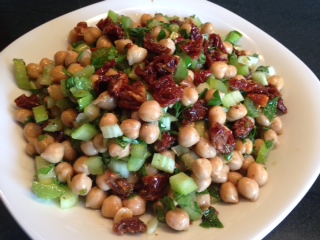
chix celeryThis is a great recipe that combines some very tasty, cancer-fighting ingredients. You can also make this with cucumbers instead of the celery should you have a bounty in the garden.

• 1/4 cup olive oil (or garlic infused oil, see below)
• 1 teaspoon ground cumin
• ¼ teaspoon dried crushed red pepper

• 2 15 1/2-ounce cans garbanzo beans (chickpeas), drained, or 1lb dried chickpeas, soaked overnight and cooked as directed)
• 3 or 4 stalks celery, chopped, about 2 cups
• 1/2 cup chopped fresh parsley (cilantro or dill work well too)
• 1/3 cup thinly sliced drained oil-packed sun-dried tomatoes
• 1/4 cup fresh lemon juice
• 1 garlic clove, minced (can omit and use garlic infused olive oil)

Preparation
Combine oil, cumin and red pepper flakes in a large bowl (if you like, you can use 1 tablespoon cumin seeds, warm in olive oil with the red pepper flakes, but use very low heat; you can also add the garlic here. Cool before proceeding)

Add remaining ingredients. Season salad to taste with salt and pepper.
Enjoy!!!

Elyn
~~If you don’t know your options, you don’t have any~~

Elyn Jacobs is a breast cancer survivor, professional cancer strategist, speaker, and the Executive Director for the Emerald Heart Cancer Foundation. Elyn empowers women to choose the path for treatment that best fits their own individual needs. She is passionate about helping others move forward into a life of health and well-being. Elyn has been featured on CNN Money, Talk About Health, and Breast Cancer Answers and has written for the Pink Paper, Breast Cancer Wellness, Integrative Oncology Essentials, Surviving Beautifully, Body Local and more, and writes the Options for Life column for the Natural Healing-Natural Wellness Newsletter. Elyn hosts the Survive and Live Well Radio Show on the Cancer Support Network. Elyn lives in New York with her husband and two young boys. https://elynjacobs.wordpress.com/about/

Follow Elyn on Linkedin

Tune in to the Survive and Live Well Show

Replay the Survive and Live Well Radio Show archives

Follow Elyn on Facebook

Follow Survive and Live Well on Twitter


Searching for Answers for Cancer Patients—the Wrap Up

In Uncategorized on April 7, 2014 at 11:34 am

Searching for Answers for Cancer Patients has been a wonderful series on my radio show, Survive and Live Well, created to empower cancer patients to take control of their health, navigate treatment choices, enhance and improve the efficacy of treatment and to boost quality of life.

In Part I, Dr Schachter presented a critical analysis of current conventional cancer standard of care practices and opened our eyes to explore all options. In Part II, Dr Schachter discussed his concerns about integrative oncology and its tendency to accept conventional treatment as a given, critiqued various diets for cancer patients, and shared what he believes to be important areas for the cancer clinician and the cancer patient to consider as part of a total program including the incorporation of vitamins D, K2 (MK4), A and iodine into the treatment program.

In Part III Dr Schachter and I discussed ways of improving the results of conventional cancer treatment–specifically the various tests which help clinicians determine which therapies might be most helpful for a particular patient, as examined in Ralph Moss’ book Customized Cancer Treatment.  We also critiqued Brian Schaefer’s Salvestrols: Journeys to Wellness.

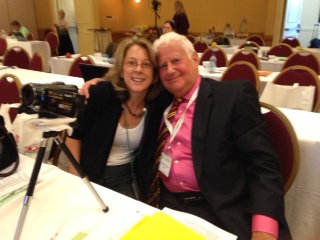
Michael Schachter and ElynWe kicked off Tuesday’s conversation (Part IV) with a huge appreciation for Ann Fonfa and another amazing conference. If you have not yet been to one of the Annie Appleseed Project conferences, you might want to consider going–excellent speakers, content and delicious organic meals.

We then discussed Vitamin D at length, delving into the extensive list of health problems that can be managed or resolved with the judicious use of Vitamin D, especially when used along with other fat-soluble vitamins such as K2 and Vitamin A.

Here are some conditions that may be helped with vitamin D:

–     Osteoporotic fractures

–     Falls

–     Hypertension

–     Cancer

–     Adjuvant TBC therapy

–     Respiratory infection/influenza risk

–     Pregnancy outcomes

–     Periodontal disease

–     Insulin sensitivity & diabetes

There is supportive medical literature in peer-reviewed journals for each of them and several have more than one study. For all of these conditions, there is evidence for a causal connection between serum 25 (OH) D levels and the various health benefits, as shown by a number of randomized double-blind placebo controlled studies.  For cancer, we have only one successful randomized control study showing that an extra 1,100 IU of vitamin D given daily to a group of older women for 4 years reduced the cancer rate in those women by about 70%. This study was published in 2007. Dr. Schachter believes that more studies like this haven’t been done because vitamin D is a natural substance that can’t be patented. As a result, there is little economic motivation to carry out these expensive clinical trials.

I questioned Dr Schachter as to why vitamin D can be helpful for so many conditions. It turns out that the hormone derivative from vitamin D (1,25 Hydroxy D) is formed in cells all over the body and functions as a type of password for other stimuli to up-regulate or down-regulate the expression of various genes.

What most of us learned in high school biology, college and medical school was that vitamin D (also called cholecalciferol) was formed in the skin from cholesterol in the presence of ultra violet B rays from the sun (also from tanning machines) or from a small number of foods like certain fish. This cholecalciferol then migrates to the liver where a hydroxyl group (-OH) is added to form 25 Hydroxy Vitamin D.  The 25 Hydroxy D circulates in the bloodstream. The level of this substance in the bloodstream is the best available measure for the vitamin D status of the body.  Everyone agrees that this is what happens in the body.

The NEXT IMPORTANT STEP IS WHAT IS NEW. The old teaching was that 25 Hydroxy D circulates in the bloodstream until it reaches the kidneys. Then another hydroxyl (OH) group is added to form 1,25 Dihydroxy D which is the active hormonal derivative of vitamin D. According to this old teaching, this derivative form of vitamin D then leaves the kidney, enters the bloodstream and travels to various organs, enters them goes into the cell and the nucleus of the cell to activate various important enzymes.

RECENT INFORMATION INDICATES THAT THIS IS NOT THE ONLY WAY THAT 1,25 DIHYDROXY D IS FORMED IN THE BODY.  IT TURNS OUT THAT EVERY CELL IN THE BODY IS CAPABLE OF MAKING 1,25 HYDROXY D FROM 25 HYDROXY D. So, when an organ or a cell needs 1,25 Hydroxy D, it obtains  25 hydroxy D from the bloodstream and within the cell, converts the 25 Hydroxy D to 1,25 Dihydroxy D. In order for this to occur optimally, there needs to be relatively high concentrations of 25 Hydroxy D circulating in the bloodstream. Thus, every cell in any organ is capable of making this active form of 1,25 Hydroxy D if sufficient 25 Hydroxy D is present. THIS IS HOW THE 25 HYDROXY D AFFECTS THE FUNCTIONING OF EVERY CELL (ORGAN) IN THE BODY. It is important also to realize that every time this 25 Hydroxy D acts, it is destroyed where it has its effect within the cell.  So, it is important to keep the 25 Hydroxy D level optimal, so that it is constantly available to do its job.

Both the optimal serum level of 25 Hydroxy D and the dosage of vitamin D as a supplement are extremely controversial at this time. The position of the Food and Nutrition Board of the Institute of Medicine (IOM) is that everything is fine if the 25 Hydroxy D level is 20 nG/dl and certainly great if it is 30 nG/ml. The vitamin D council presents lots of evidence to indicate that above 40 is optimal for many functions AND A FEW RENEGADES LIKE DR SCHACHTER THINK THAT BETWEEN 60 AND 100 IS OPTIMAL, ESPECIALLY FOR SERIOUS CONDITIONS LIKE CANCER. One of the best lectures he has seen and highly recommends about vitamin D was done by Robert P Heaney MD. It can be seen at the website: http://www.youtube.com/watch?v=-Za2H5oTXJY.  In this lecture Dr Heaney gives a great explanation of how vitamin D can be helpful for so many conditions.

Regarding the importance of vitamin A and how it works together with vitamin D, Dr Schachter explained  how vitamin D combines with D receptor, vitamin A combines with vitamin A receptor (RXR) and these two components  combine together to enter the nucleus of the cell to affect the up and down regulation of genes. This generally results in an up-regulation of anti-inflammatory and anti-cancer genes and a down-regulation of pro-inflammatory and pro-cancer genes.

Dr Schachter also  suggested to us  that it is critical  to have sufficient Vitamin K2 in order to ensure that calcium is bound and held in  bones and at the same time is removed from our arteries, joints or other tissues where it doesn’t belong. Vitamin K2 also inhibits cancer cell lines, such as colon, breast, leukemia, brain and many more. Dr. Schachter discussed the two forms of vitamin K2 that are available in supplements (Menaquinone 4 or MK4 and Menaquinone 7 or MK7). Although most supplement companies are using MK7, Dr. Schachter prefers to use MK4 for a variety of reasons, one of the most important of which is that only MK4 has been involved with successful randomized double-blind placebo controlled trials.

We also spoke about the inverse relationship of vitamin D intake and various cancers, including melanoma—great motivation to get some sunshine (or take the supps).  We tackled the argument by dermatologists that our lives depend on the liberal use of sunscreen.  Dr Schachter debunked that myth—just please remember that while sunscreen usually contains toxic ingredients and blocks the absorption of vitamin D, sunburn is not the goal.  Stick with an anti-inflammatory diet (natural sunscreen) and enjoy some sun—just don’t overdo it.

If you would like more information regarding Vitamin D, there are several books and websites that Dr Schachter recommends, though all of them have some limitations. One could start with books by Michael Holick MD, PhD: The UV Advantage and The Vitamin D Solution. He also likes the book Vitamin D3 and Solar Power for Optimal Health by Marc Sorenson Ed.D.A great deal of information can be obtained from the Vitamin D Council website, though they charge $5 a month to keep up with their latest information.  You may also want to replay Parts I, II, III and IV of this series.

We wrapped up the conversation with kudos to Peter Gotzche for his brave work and incredible book Deadly Medicines and Organised Crime: How Big Pharma Has Corrupted Healthcare, as well as Dr Kelly Turner’s extensive research on the radical remission of cancer and her book Radical Remission: Surviving Cancer Against All Odds.  Both of these books will give you powerful insight on taking control of your health and finding the best path to wellness.  You will gain valuable insight into the dangers of operating out of fear when you intuition tells you the treatment may be far worse than the disease. Dr Turner was on Survive and Live Well on April 1, 2014, and Dr Gotzche will be on the show in May.

Replay the Searching for Answers series on Survive and Live Well via the following links or via iHeart RadioTalk under the heading Spreakers or Health or via www.schachtercenter.com.  

Searching for Answers for Cancer Patients, Part I

December 10th, 2013– http://hipcast.com/podcast/H1tlrkJs

To read the summary of Part I, Click Here

 Searching for Answers for Cancer Patients, Part II

January 21st, 2014– http://hipcast.com/podcast/HZ2hF9js

To read the summary of Part II, Click Here

 Searching for Answers for Cancer Patients, Part III

February 11th, 2014– http://hipcast.com/podcast/HBxnqhps

To read the summary of Part III, Click Here

 Searching for Answers for Cancer Patients—Part IV–The Wrap Up

March 25, 2014– http://hipcast.com/podcast/HVNGyq2s

Elyn

             ~~If you don’t know your options, you don’t have any~~

 MEDICAL DISCLAIMER:  Reading the information in this post does not constitute a physician-patient relationship. The information included in this post is for educational purposes only. It is not intended nor implied to be a substitute for professional medical advice. Always consult with your healthcare provider regarding a medical condition or any treatments.

Dr. Michael B. Schachter is a magna cum laude graduate of Columbia College and Columbia P&S Medical School in NYC. He is also a Board Certified Psychiatrist and a Certified Nutrition Specialist. Dr. Schachter has been involved with nutritional and integrative health care for 35 years. A leader in alternative cancer therapies, EDTA chelation and orthomolecular psychiatry, he is a past president of the American College of Advancement in Medicine (ACAM). He has authored numerous articles and was a major contributor to the large chapter about him in Burton Goldberg’s classic “Alternative Medicine Definitive Guide to Cancer”. His published 2010 paper “Integrative Oncology for Clinicians and Cancer Patients” helps to guide patients in developing a cancer treatment program. His latest article published in 2013 entitled “Integrating Nutrition and Selected Controversial Nutritional Supplements into a Cancer Treatment” is an abridged and updated version of his 2010 article. In 2010, Dr. Schachter received the Humanitarian Award from the Cancer Control Society in California. He has a special interest in the role of iodine in health and disease. Dr. Schachter is the director of the Schachter Center for Complementary Medicine in Suffern, NY.

More information about Dr. Schachter and the Center are available at the website:  www.schachtercenter.com.  Many articles by Dr Schachter can be accessed from this site, including the two articles mentioned above. Also, several of Dr. Schachter’s lectures on DVD are available for a fee. Available DVDs can be seen by clicking on the option on the home page.

 Elyn Jacobs is a breast cancer survivor, professional cancer strategist, speaker, and the Executive Director for the Emerald Heart Cancer Foundation. Elyn empowers women to choose the path for treatment that best fits their own individual needs. She is passionate about helping others move forward into a life of health and well-being. Elyn has been featured on CNN Money, Talk About Health, and Breast Cancer Answers and has written for the Pink Paper, Breast Cancer Wellness, Integrative Oncology Essentials, Surviving Beautifully, Body Local and more, and writes the Options for Life column for the Natural Healing-Natural Wellness Newsletter.  Elyn hosts the Survive and Live Well Radio Show on the Cancer Support Network. Elyn lives in New York with her husband and two young boys. https://elynjacobs.wordpress.com/about/

Follow Elyn on Linkedin

Tune in to the Survive and Live Well Show

Replay the Survive and Live Well Radio Show archives

Follow Elyn on Facebook

Follow Survive and Live Well on Twitter

Healing Lung Cancer, Naturally

In Uncategorized on March 24, 2014 at 7:09 pm

Last July I interviewed Dr Carl O. Helvie on my radio show, Survive and Live Well. I also had the pleasure of meeting him at the Annie Appleseed Conference in March 2013.  Dr. Helvie holds an M.P.H. and Dr. P.H. from John Hopkins University and has 58 years’ experience as a nurse practitioner, educator and researcher. The author of seven books, he is host of the Holistic Health Show on BBS Radio. Thirty-eight years ago, he developed lung cancer and was given six months to live by a conventional physician. He is now among the longest living survivors of lung cancer. http://www.BeatLungCancer.net

His latest book is You Can Beat Lung Cancer: Using Alternative/Integrative Interventions 

The following is an interview Francine Silverman did with Carl.  Fran is the editor of Book Promotion Newsletter is an on-line publicist, compiler of 16 ebooks of talk radio shows and host of a weekly radio show, Fraternizing with Fran – where interesting people come to chat. http://www.talkradioadvocate.com and http://talkradioadvocate.blogpot.com.  Thank you Fran!

I hope you will find this information helpful as you heal from your cancer.

Q – How devastating is lung cancer in the United States?

 A  – Lung Cancer kills more people in the U.S. than any other type of cancer-more than breast, prostate and colon all together-the success rate for chemo and surgery for lung cancer is very low – around 2% survival for 5 years for stage 4.  So I wanted the public to know about alternative non-tonic ways to deal with it if needed

Q – Why did you write this book You Can Beat Lung Cancer Using Alternative/Integrative Interventions?  

 A – A search of the Internet showed most people surviving with lung cancer were excited with 10 to 12 years. One woman, Anne Gambles, said her grandfather died in 2010 after surviving lung cancer for 40 years, and another who was identified as the longest survivor died in England in 2010 after 38 years. A cancer survivor site asked who was the longest survivor and the longest was 20 years.

Q – Lung cancer has few symptoms before it becomes advanced and difficult to treat. Why did you seek medical attention? 

A – I had a dream that told me to go for a chest x-ray. I have learned to pay attention to my dreams and believe that is one-way God speaks with me—through dreams, intuition, and other people. But can you imagine asking your traditional doctor for a referral for an x-ray when you don’t have symptoms.

 My doctor called and said they found a spot on my lungs that had not been there on previous x-rays and they wanted to admit me to the hospital for further testing. After additional x-rays, lab and a biopsy they confirmed that it was lung cancer.

Q  – What happened after you saw the doctor?

 A  – My doctor gave me 6 months to live without surgery/chemo and I decided if I only had a short time to live I was going to be comfortable during that period. Alternative natural interventions offered me that opportunity. A friend made herself available at all times as a support and also told me of a physician who had successfully treated others with cancer in the northern part of the state where I live.

Q – How did your family and nursing/medical colleagues react to your decision?

 A – The response of my mother who I knew loved me very much was “Why don’t you do what the doctor wants and have surgery and then do the other things.” My colleagues avoided talking about my decision and often avoided me completely.

Q – What was your medical regime?

 A -The alternative doctor I visited had worked for the National Cancer Institute until the drug companies closed him down. He had had so much success with laetrile or vitamin B 17 that he continued using it under the table-so I had to sign forms that I would not disclose my treatment. He confirmed that it was lung cancer and in addition to laetrile, I used supplements, vitamins and minerals, enzymes including digestive and pancreatic, a special diet of 75% raw fruit and vegetables with some additional vegetables and fruit, grains, and nuts (except peanuts-a high source of protein. No protein, dairy or simple sugar was allowed.

In addition, I added prayer, church prayer lists, meditation, affirmations, visualization, continuing my service to others, walking and exercise and continued working as a University Professor. I also quit smoking, checked my house for radon and did other appropriate interventions. Eventually I added political action to my interventions because I believe holism requires attention to physical, mental, spiritual, relationships, the environment, and politics.

 Q – Were there side effects that interfered with your daily life?

 A – No, unlike chemo where there is nausea, vomiting, mouth sores, loss of appetite, hair loss and other side effects, I had no effects and continued all of my usual daily activities with no problems.

Q -What was the outcome of your interventions?

A  – There were two outcomes of my interventions 1) was the actual resolution of the lung cancer. I continued my interventions and saw my primary physician every three months but did not tell him I was doing anything. He thought we were in a wait and see mode. The alternative physician did not ask me to return and I did not. After 2 years my primary doctor told me the spot was gone and he thought he had made a wrong diagnoses. At that time, a physician friend who had taught at a large well known medical school in another state and who now was medical director of Blue Cross/Blue Shield in that state wanted to see the biopsy, x-rays and all other reports and confirmed that it had been lung cancer.

The second outcome of my interventions was good health for the next 36 years to age 80 as a result of continuing many of the same interventions, as appropriate, and adding to them as knowledge evolved. Although the average for a 75 year old is 3 chronic illnesses and 5 prescribed medications I am now 81 with no chronic illnesses and no prescribed medications.

Q – What are some outcomes of alternative interventions by medical contributors in your book?

A – Dr James Forsythe has researched Paw Paw and then Poly MVA with stage 4 cancer patients. He had 28% 3 year survival for the first group and 30% 6 year survival for the second group. Then he developed the Forsythe formula adding some homeopathic plant based substances and has had 46% 5 year survival for all cancers and 39%  5 year survival for lung cancer patients. This is compared to 2% to 5% survival for stage 4 cancer patients using contemporary cancer treatment. Dr Forsythe discusses his treatments in my book.

Dr Francisco Contreras used High Dose IV vitamin C (breaks down into H2O2 when interacting with liquid around cancer cells but now around normal cells. Also Ozone Therapy.  Selenium, Silymarin, Green Tea Extract, Melatonin, and others.  Uses Stage 4 patients. Dr Contreras survival percentages vs contemporary survival at 1 year:82% vs 20%; 2 years  50% vs 6$;  3 years 27% vs 3%l 4 years 23% vs 2%, and 4 years 9% vs 1.9%.

Q – If alternative/integrative interventions are so successful, why are they not used by mainstream conventional medicine?

A – Cancer treatment is a multimillion dollar industry in which drug companies make lots of money, hospitals have wings donated, the American Cancer Society stays in existence, there is lots of research money available, doctors make money and on and on. So there is not much incentive to disturb the status quo and find a cure.  Alternative doctors have offered successful treatments for over 80 years but when one practitioner gets too successful the anti quack law is pulled out and there are attempts to put them out of business. Many such cases are documented.

Q – You say more people are moving toward alternative/integrative treatments for cancer. Why is that?

A – Contemporary medicine has gotten too expensive, people are finding it is not very effective, many do not have access to health care, there are more naturopathic and homeopathic doctors than previously, more people are surviving using alternative treatments, more books and other educational resources about alternatives to contemporary cancer care are available, more research on natural alternative treatments is available, and the National Center for Complementary and Alternative Medicine of the federal government carries out research and offers legitimacy to the movement.

Q – You are 80 years old and have no chronic illnesses or prescribed medications. What have you done to prevent a recurrence of cancer and to maintain your good health?

A – I have continued much of my holistic approach used when I had cancer. I continue all of the mental and spiritual activities of prayer, meditation, affirmations, visualization, strengthening faith, patience and other spiritual activities, service to others, replacing all negative thoughts and feeling with positive ones and other similar activities. . I continue to walk and exercise daily, to eat primarily fruit and vegetables with a raw salad one meal a day. I have added chicken or seafood one meal daily and a protein drink or beans or cheese the others. I now mainly eat organic, or locally grown when I know the practices of the farmer.  I never eat beef and rarely eat pork. I drink filtered water and I take a variety of supplements that research shows keeps one healthy.

I avoid drugs prescribed by medicine and find natural ways to deal with minor problems that arise. I use all the resources that God provides including medical Intuitives and Psychics to maintain my health. I also talk with angels and others in other realms that offer guidance on staying well.

I also keep busy helping others.  My activities include working on my radio show on holistic health, marketing my latest book on lung cancer on television, radio, or magazine, acting as a resource to cancer patients who contact me, working on my Foundation for Holistic Cancer, writing a monthly newsletter, .and reviewing the latest research on natural interventions weekly. I am thankful to God for the opportunity to learn and serve my fellow man.
carl o helvieReplay my show with Carl:

http://hipcast.com/podcast/HZwM88Ts  Carl O. Helvie–You Can Beat Lung Cancer: Using Alternative/Integrative Interventions 


Elyn

             ~~If you don’t know your options, you don’t have any~~

Elyn Jacobs is a breast cancer survivor, professional cancer strategist, speaker, and the Executive Director for the Emerald Heart Cancer Foundation. Elyn empowers women to choose the path for treatment that best fits their own individual needs. She is passionate about helping others move forward into a life of health and well-being. Elyn has been featured on CNN Money, Breast Cancer Answers, Courage and Grace, and Talk About Health, and has written for the Pink Paper, Breast Cancer Wellness, Integrative Oncology Essentials, Surviving Beautifully, Body Local and more, and writes the Options for Life column for the Natural Healing-Natural Wellness Newsletter.  Elyn hosts the Survive and Live Well Radio Show on the Cancer Support Network. She lives in New York with her husband and two young boys. https://elynjacobs.wordpress.com/about/

Follow Elyn on Linkedin

Tune in to the Survive and Live Well Show

Replay the Survive and Live Well Radio Show archives

Follow Elyn on Facebook

Follow Survive and Live Well on Twitter

Healing with Essential Oils

In Uncategorized on March 12, 2014 at 1:10 pm

The following is a guest post by my good friend Marnie Clark. Please be sure to visit her fabulous and informative website:  http://marnieclark.com/

Plants have been used for centuries for their wonderful healing properties. As long ago as 3,000 BC, the Chinese and Egyptians used plants extensively for healing. Indigenous cultures in Africa, Australia and the Americas all used herbs in their healing rituals.

Later researchers were surprised to discover that people in different parts of the world tended to use the same or similar plants for the same purposes.
With the advent of chemical analysis in the early 19th century, chemists began to extract and modify the active ingredients in plants, making their own version of plant compounds. You might be surprised to know that almost one quarter of pharmaceutical drugs are derived from plants. Over time, the use of herbal medicines declined in favor of drugs.
While the pharmaceutical companies are creating patentable drugs that imitate the healing properties of natural essential oils derived from plants, the problem with these drugs is that they work quite differently in the body and often have many side effects. Essential oils are the best thing nature could offer us in the way of medicine and their side effects are often more energy,improved digestion, better sleep, less disease, and so much more.

Herbs vs Essential Oils

These days, people are quite familiar with herbal medicine, it is one of the fastest growing industries. Herbs vary quite significantly from essential oils, however.

Herbs that are grown for the purpose of creating supplements are generally not grown organically. Regardless of that fact, the herbs are then harvested and taken into warehouses where they are dried with big blowers, chopped, capped, bottled, packaged and sent to be marketed. It may be weeks, months, or even years later that they are purchased and taken as a supplement. They may still assist us, but it usually takes awhile.
The main problem is that once a fresh plant is dried, not much of the essential oil is retained, and it’s the essential oil that gets us well! Herbs can lose up to 90% of their healing nutrients and oxygen carrying capacity in the drying process.
Essential oils are the life blood of a plant and are 50-70 times more therapeutically potent than dried herbs. They have many and varied healing properties, one of which is to protect the host plant’s immune system. The great thing is that essential oils can do the same thing for our immune system.
Essential oils are, quite simply, the subtle, volatile liquids distilled from plants, flowers, shrubs, trees, seeds and bushes. Distillation of these oils was nearly forgotten until a handful of passionate 20th century pioneers brought it back to life. It is a very precise art and there are still only a handful of people in the world who know exactly how to extract all of the life-giving phytochemicals from each plant – and it’s different for each plant!
Properly distilled essential oils retain all of their healing phytochemicals (plant chemicals). They are not simple substances, each oil is a complex structure containing anywhere between 80-300 different plant chemicals.

When you apply essential oils to your skin (the biggest organ of absorption), the oils will penetrate every single cell in your body within 20 minutes, thus bypassing the digestive tract,which, if faulty, can severely slow down or impair the healing qualities or whatever nutrient you are ingesting. Not so with essential oils!

Why Do Essential Oils Work So Well In The Body?

Therapeutic grade essential oils that are carefully grown without chemicals and distilled so as to retain all of their life-giving and potent phytochemicals retain a wonderful amount of energy and life force. This is what our bodies need and crave.

Essential oils have a great synergy with the human body. They were meant to be our medicine.One of their actions is to carry molecules of oxygen and when you realize that cancer likes ananaerobic (meaning without oxygen) environment, you begin to understand the role that essential oils can play in healing.

Research Indicates Essential Oils Are Powerful Healers

Essential oils are now being used as medicine by some of the world’s most prominent doctors.Clinical research (see below for just some of the studies) indicates that essential oils have immune stimulating properties, they are also anti-viral, anti-tumoral, anti-fungal, anti-bacterial,anti-inflammatory – all the important “anti’s”!

Essential oils have been pivotal in helping many people back to health – pain free, disease free,and much more. Recent research has also shown that many of the so called “super bugs” like MRSA which has doctors and hospitals so concerned can not survive in the presence of certain essential oils. Interestingly, the pathogens do not mutate in resistance to essential oils. The author has had a personal experience with MRSA and can attest to the fact that essential oils are very potent little healers.
Citrus oils like lemon, grapefruit and orange are high in a phytochemical known as d-limonene, a well researched plant chemical. For instance, in 1996, Charing Cross Hospital in London achieved close to a 15% remission rate in patients with advanced colon and breast cancer usingdoses from 1 to 15 grams of d-limonene from orange oil as their only form of treatment. Some patients who only had weeks or months to live were given the limonene treatment and it extended their lives by up to 18 months. (Vigushin DM et al., Phase 1 and pharmacokinetic study of D-limonene in patients with advanced cancer. Cancer Research Campaign Phase I/II CliniclaTrials Committee. Cancer Chemother Pharmacol. 1998;42(2):111-7.)

Here are a few more studies that have been done on d-limonene:
Human breast tissue disposition and bioactivity of limonene in women with early-stage breast cancer : http://www.ncbi.nlm.nih.gov/pubmed/23554130

Induction of apoptosis by D-limonene is mediated by inactivation of Akt in LS174T human coloncancer cells : http://www.ncbi.nlm.nih.gov/pubmed/23117412

D-limonene rich volatile oil from blood oranges inhibits angiogenesis, metastasis and cell deathin human colon cancer cells : http://www.ncbi.nlm.nih.gov/pubmed/22935404
Frankincense is another potent anti-tumoral essential oil:
Frankincense essential oil prepared from hydrodistillation of Boswellia sacra gum resins induces human pancreatic cancer cell death in cultures and in a xenograft murine model: http://www.ncbi.nlm.nih.gov/pubmed/23237355
Boswellia sacra essential oil induces tumor cell-specific apoptosis and suppresses tumor aggressiveness in cultured human breast cancer cells: http://www.ncbi.nlm.nih.gov/pubmed/22171782
Frankincense oil derived from Boswellia carteri induces tumor cell specific cytotoxicity: http://www.ncbi.nlm.nih.gov/pubmed/19296830; another great article is:
http://www.universityherald.com/articles/6350/20131220/frankincense-christmas-gift-ovarian-cancer-cells-leicester-university-gum.htm

Geranium also has anti-tumoral properties:

Effects of a Chinese medical herbs complex on cellular immunity and toxicity-related conditions of breast cancer patients : http://www.ncbi.nlm.nih.gov/pubmed/21864416

Lavender has been studied for its anti-tumor effects:

Comparative Studies of Cytotoxic and Apoptotic Properties of Different Extracts and theEssential Oil of Lavandula angustifolia on Malignant and Normal Cells :http://www.ncbi.nlm.nih.gov/pubmed/24571090

Thyme has anti-cancer properties:
Activities of ten essential oils towards Propionibacterium acnes and PC-3, A-549 and MCF-7 cancer cells : http://www.ncbi.nlm.nih.gov/pubmed/20657472
Clove exhibits anti-estrogen and anti-tumoral properties:
Structure-based design of eugenol analogs as potential estrogen receptor antagonists: http://www.ncbi.nlm.nih.gov/pubmed/23144548
Comparative anticancer potential of clove (Syzygium aromaticum)–an Indian spice–againstcancer cell lines of various anatomical origin : http://www.ncbi.nlm.nih.gov/pubmed/22292639

Idaho Balsam Fir has anti-cancer activity:

Abibalsamins A and B, two new tetraterpenoids from Abies balsamea oleoresin (discussingIdaho balsam fir) : http://www.ncbi.nlm.nih.gov/pubmed/22394397

One Last Word – Make Sure Your Essential Oils Come From A Trusted Source

Without sounding like an infomercial, not all essential oils are created equally. There are many companies out there who are just concerned with the bottom line – creating a reasonable smelling oil for as little dosh as possible. If you intend to use essential oils on your wellness journey, you must do your homework. Find out who the world leader is in therapeutic grade essential oils.
Case in point : It takes pretty close to 5,000 pounds of rose petals to create one pound of rose oil,and yes, it is one of the most expensive essential oils to produce. Consider this – if those rose petals were laden with chemicals and pesticides, or distilled with toxic chemicals to bring out more of the oil, that oil would be quite toxic and you would not want it in your body.
Make sure your essential oils are organically grown and properly distilled, from someone who controls the whole process of production from the seed to the bottle, so as to create the most health-giving essential oils available.
I am not proposing that essential oils be used for the treatment of any disease. The purpose of this article is for informational purposes only and is not intended as a substitute for advice from your physician or other health care professional. You should not use the information in this article for diagnosis or treatment of any health problem and please be sure to consult your healthcare professional when making decisions about your health.

Marnie_homepageMarnie Clark is a natural therapist (17 years), a breast cancer survivor (10 years) and breast cancer coach (2 years) based in Perth, Western Australia. If you have any questions about essential oils, feel free to contact her at info@marnieclark.com.

Elyn

             ~~If you don’t know your options, you don’t have any~~

Elyn Jacobs is a breast cancer survivor, professional cancer strategist, speaker, and the Executive Director for the Emerald Heart Cancer Foundation. Elyn empowers women to choose the path for treatment that best fits their own individual needs. She is passionate about helping others move forward into a life of health and well-being. Elyn has been featured on CNN Money, Breast Cancer Answers, Courage and Grace, and Talk About Health, and has written for the Pink Paper, Breast Cancer Wellness, Integrative Oncology Essentials, Surviving Beautifully, Body Local and more, and writes the Options for Life column for the Natural Healing-Natural Wellness Newsletter.  Elyn hosts the Survive and Live Well Radio Show on the Cancer Support Network. She lives in New York with her husband and two young boys. https://elynjacobs.wordpress.com/about/

Follow Elyn on Linkedin

Tune in to the Survive and Live Well Show

Replay the Survive and Live Well Radio Show archives

Follow Elyn on Facebook

Follow Survive and Live Well on Twitter

Searching for Answers for Cancer Patients, Part III

In Uncategorized on February 15, 2014 at 3:01 pm

On Tuesday Dr Michael Schachter joined me for Searching for Answers for Cancer Patients, Part III.  In part I, Dr Schachter presented a critical analysis of current conventional cancer standard of care practices. In Part II, Dr Schachter discussed his concerns about integrative oncology and its tendency to accept conventional treatment as a given, critiqued various diets for cancer patients, and shared what he believes to be important areas for the cancer clinician and the cancer patient to consider as part of a total program including the incorporation of vitamins D, K2 (MK4), A and iodine into the program.

In Part III Dr Schachter and I discussed ways of improving the results of conventional cancer treatment–specifically the various tests which help clinicians determine which therapies might be most helpful for a particular patient, as examined in Ralph Moss’ book “Customized Cancer Treatment”.  We also critiqued Brian Schaefer’s “Salvestrols: Journeys to Wellness”.

Improving the Results of Conventional Cancer Treatment

Tests have been developed to help clinicians determine which chemotherapy agents may be most helpful in a particular patient. The tests are done on samples from the patient. In one type of test, a fresh sample of cancer cells removed from the patient (for example, a portion of the cancer removed from the tumor that has been removed) is sent by overnight mail to a laboratory that conducts tests on the sample. Arrangements for this must be made prior to the surgery by the surgeon contacting the laboratory and finding out how the specimen is to be sent immediately after surgery.  Two laboratories that are doing this work are both run by competent and conscientious oncologists.  They are:

1)  Robert A Nagourney MD/Rational Therapeutics:

http://www.rational-t.com/default.aspx

2) Larry Weisenthal MD/Cytometric Testing for Cancer:

http://weisenthalcancer.com/Home.html

Ralph Moss, who has written many important books about cancer for patients has authored the book “Customized Cancer Treatment” in which he discusses these tests in detail, using published studies that suggest that using these tests BEFORE beginning a chemotherapy cancer protocol and using the results to help set up a treatment protocol, can vastly improve the results. To do one of these tests requires the cooperation of the surgeon and certain things must be done prior to the surgery.

The test is something like a culture and sensitivity test that is done with bacteria, when an attempt to grow particular isolated bacteria from the patient (as for example from a urine culture). The bacteria are grown in separate dishes in a culture medium. To each of these dishes, a different antibiotic is  added. The antibiotic (s) that inhibit the growth the most would be the most likely to be most effective for that particular infection.

Other tests are being used, but are not as well documented as the tests just described. One of these tests, the CTC (Circulating Tumor Cells) requires a blood sample, rather than a surgical specimen. Circulating cancer cells are analyzed to determine likely success in using various chemotherapy agents.  Laboratories using this procedure are located in Greece and in Texas, as well as Germany and possibly a few other locations.

One integrative oncologist that claims good results from the Texas Laboratory is James Forsythe MD from Reno, Nevada. He has presented survival statistics for advanced cancer patients and these survival statistics for various advanced cancer patients do compare favorably with published survival studies of advanced cancer patients using only conventional treatments. It is a little difficult to assess just how much the testing in Texas is responsible for these good results, but Dr. Forsythe thinks the testing is helpful.

Another type of test that is sometimes used requires a cell block specimen that can be taken from the surgical specimen that is preserved after the surgery. This does not require a fresh specimen and the specimen can be sent even months after the surgery. In this test, the cancer cells are analyzed for the presence of various enzymes. The enzymes that are found (expressed) in greatest quantity can be targeted with either chemotherapeutic agents or with targeted therapies. Dr Schachter mentioned that he has never used this test, but has been told by a few oncologists that have used it that the computerized explanation that goes with it is not very good. The laboratory that does this type of testing is: Caris Life Sciences: http://www.carislifesciences.com.

More information on these tests can be found in Ralph Moss’s book “Customized Cancer Treatments” and from the websites of these laboratories.  Keep in mind that generally  these tests are NOT covered by insurance and can cost thousands of dollars. However, sometimes they may be covered if this is negotiated with the insurance company in advance.

For more info on CTC testing, check out Ralph Moss’s book “Customized Cancer Treatment” or explore the following links::

www.rgcc-genlab.com

http://www.bestanswerforcancer.org/wp-content/uploads/2013/09/Townsend2013.pdf.

Salvestrols

In previous interviews, Dr Schachter and I have discussed Salvestrols, natural substances that may have a role in preventing cancer and helping the body to manage it.  In this interview Dr Schachter gave a short summary of the benefits and limitations of Salvestrols.  To replay the June 2013 podcast on Salvestrols, Click Here.  To replay the December 2012 podcast, Click Here.

To read more: Salvestrols: Does Nature Hold the Answer to Cancer  and Salvestrols: Nature’s Rescue Mechanism from Cancer and Salvestrols: An Important Piece in the Cancer Fighting Puzzle.

Asked if there were any controlled, randomized trials carried out to prove that Salvestrols worked, Dr Schachter responded:

“No, the developers concluded that for many reasons, it would be best to make Salvestrols available as a nutritional supplement since they were natural substances and not synthetic drugs. If they had taken the path of trying to market these substances as drugs, the onerous process could take 20 years or more and cost millions or even billions of dollars. Instead a few papers were authored, primarily by Brian Schaefer, discussing the experiences of some people with cancer who took Salvestrols. Many of these people seemed to benefit and the author of these articles, Brian Schaefer went on to write a book entitled “Salvestrols: Nature’s Defense Against Cancer”, which we discussed during our previous interviews and which you wrote about on your blog. “

Brian Schaefer has since then authored a second book on Salvestrols titled “Salvestrols: Journeys to Wellness”.   Whereas the first book went into some detail about how the Salvestrol theory developed and just had a few brief case histories, this book was primarily based on follow-ups of the patients that Brian presented in his 3 papers published in the Journal of Orthomolecular Medicine In 2007, 2010 and 2012. A few of these cases were also discussed briefly in his first book. Dr. Schaefer attempted to analyze the cases and come up with some general principles about people taking Salvestrols. He also discussed in more detail than in the first book tests that are being developed for diagnosing cancer and monitoring the course of treatment.

The developers of Salvestrols are in the process of developing tests for cancer based on the presence of CYP1B1 in the bloodstream or metabolites of Salvestrols when a fixed amount is administered. These tests would be of tremendous value because they may allow for diagnosing the presence of cancer cells in the body long before they would be diagnosed on clinical ground or with scans. When using natural, non-toxic substances and lifestyle changes, the earlier a patient is treated, the better the results will be.

One of the biggest problems with regard to cancer is assessing whether or not a treatment is working. Conventional oncologists often use frequent CT (with or without PET) scans and/or MRI’s with Gadolinium contrast. As we mentioned during a previous interview, these procedures may actually harm the patient and really offer very little when it comes to assessing patients, especially for long-term effects. Diagnostic tests using blood samples seem to me to offer a great potential benefit, but unfortunately, they are not yet ready for prime time.

What are some of the most important principles that Brian Schaefer comes up with for patients taking Salvestrols?

The supposition is that people whose Salvestrol intake is low are probably suffering from a Salvestrol deficiency and that the sooner and more completely this is corrected, the better a person will do. So, here are a few principles suggested by Dr. Schaefer:

  • Once there is a demonstrated deficiency of Salvestrols (evidence of cancer or precancerous lesions), the patient should start on sufficient doses of Salvestrols through diet and supplements and if there is a good response, should remain on a program that could include supplements INDEFINITELY. Several of Brian’s cases got into trouble when the patient was told by his physician that “he/she was cancer-free”. There is no such thing. When patients seem to have a good outcome in terms of natural cancer treatments, are told they are cancer-free and go back to old habits, the chances of a cancer recurrence is very high.
  • Use of Salvestrols should also be accompanied by healthy changes in lifestyle with sufficient rest and sleep, exercise, a healthy diet and improved response to stressful situations.
  • Attempts should be made to make sure that nutrients that are necessary for optimal response to Salvestrols are present, including biotin, vitamin C, niacin or niacinamide, magnesium and selenium.

What are the limitations of Brian Schaefer’s latest book?

There are several limitations to Brian’s book and I am sure he would be the first to acknowledge them. Brian had few if any medical records available to him. Reports are based on what patients told him that doctors told them.  Here are some specific weaknesses of the book:

  • In many of the cases, patient received other treatments in addition to Salvestrols. This was a particularly important criticism for all of the prostate cancer patients discussed, as treatments, such as the blockage or diminution of testosterone (androgen), can frequently cause a lowering of PSA and sometimes dramatic clinical effects without Salvestrols.
  • Follow-up was incomplete in some cases. Here I think particularly of the breast cancer patient in her 30’s. She had a dramatic response to Salvestrols and appeared to be doing very well after stopping chemotherapy. However, when the family was contacted, it was learned that she had died. No information was available as to how this occurred, except that Dr. Schaefer was able to find out that this patient stopped taking Salvestrols.
  • Knowledge about the long-term effects of Salvestrols was unclear in several of the cases because they stopped taking them. One case that comes to mind is the man with lung cancer who appeared to have a dramatic effect to Salvestrols in a relatively short period of time after at first being told that he was inoperable. He developed a recurrence of his lung cancer 5 years later, after being off Salvestrols for several years. Because of circumstances, he decided to do conventional treatment rather than Salvestrols when the cancer recurred.
  • We really don’t get much of a chance to see how well the Salvestrols help when patients have been harmed by the negative effects of conventional treatment (radiation and chemotherapy).
  • My own personal experience is clearly that Salvestrols are not a panacea in any sense of the word but should be considered an important element for some patients.
  • My sense is that both of Brian Schaefer’s books are worth-while reading, especially for anyone trying to understand and/or deal with cancer.

Replay Parts I, II and III via the following links or via iHeart RadioTalk under the heading Spreakers or Health.

Dr Michael Schachter: Searching for Answers for Cancer Patients, Part I:

December 10th, 2013– http://hipcast.com/podcast/H1tlrkJs

Dr Michael Schachter: Searching for Answers for Cancer Patients, Part II:

January 21st, 2014– http://hipcast.com/podcast/HZ2hF9js

Dr Michael Schachter: Searching for Answers for Cancer Patients, Part III:

February 11th, 2014– http://hipcast.com/podcast/HBxnqhps

Dr Michael Schachter: Searching for Answers for Cancer Patients, Part IV--the Wrap Up

March 25th, 2014– http://hipcast.com/podcast/HVNGyq2s

To read the summary of Part I, Click Here

To read the summary of Part II, Click Here

Elyn

             ~~If you don’t know your options, you don’t have any~~

 MEDICAL DISCLAIMER:  Reading the information in this post does not constitute a physician-patient relationship. The information included in this post is for educational purposes only. It is not intended nor implied to be a substitute for professional medical advice. Always consult with your healthcare provider regarding a medical condition or any treatments.

Dr. Michael B. Schachter MD, CNS, FACAM is a magna cum laude graduate of Columbia College and Columbia P&S Medical School in NYC. He is also a Board Certified Psychiatrist and a Certified Nutrition Specialist. Dr. Schachter has been involved with nutritional and integrative health care for 35 years. A leader in alternative cancer therapies, EDTA chelation and orthomolecular psychiatry, he is a past president of the American College of Advancement in Medicine (ACAM). He has authored numerous articles and was a major contributor to the large chapter about him in Burton Goldberg’s classic “Alternative Medicine Definitive Guide to Cancer”. His published 2010 paper “Integrative Oncology for Clinicians and Cancer Patients” helps to guide patients in developing a cancer treatment program. His latest article published in 2013 entitled “Integrating Nutrition and Selected Controversial Nutritional Supplements into a Cancer Treatment” is an abridged and updated version of his 2010 article. In 2010, Dr. Schachter received the Humanitarian Award from the Cancer Control Society in California. He has a special interest in the role of iodine in health and disease. Dr. Schachter is the director of the Schachter Center for Complementary Medicine in Suffern, NY.

 More information about Dr. Schachter and the Center are available at the website:  www.schachtercenter.com.  Many articles by Dr Schachter can be accessed from this site, including the two articles mentioned above.

 Elyn Jacobs is a breast cancer survivor, professional cancer strategist, speaker, and the Executive Director for the Emerald Heart Cancer Foundation. Elyn empowers women to choose the path for treatment that best fits their own individual needs. She is passionate about helping others move forward into a life of health and well-being. Elyn has been featured on CNN Money, Breast Cancer Answers, Courage and Grace, and Talk About Health, and has written for the Pink Paper, Breast Cancer Wellness, Integrative Oncology Essentials, Surviving Beautifully, Body Local and more, and writes the Options for Life column for the Natural Healing-Natural Wellness Newsletter.  Elyn hosts the Survive and Live Well Radio Show on the Cancer Support Network. She lives in New York with her husband and two young boys. https://elynjacobs.wordpress.com/about/

Follow Elyn on Linkedin

Tune in to the Survive and Live Well Show

Replay the Survive and Live Well Radio Show archives

Follow Elyn on Facebook

Follow Survive and Live Well on Twitter

Searching for Answers for Cancer Patients-Part 1

In Uncategorized on February 3, 2014 at 1:03 pm

Last week I once again had the pleasure of chatting with Dr Michael Schachter on my radio show Survive and Live Well. Our topic–Searching for Answers for Cancer Patients, a three part discussion starting with a critique of the current standard of care all the way to the latest therapies that alternative medicine has to offer.  In part one on December 10th, Dr Schachter presented a critical analysis of current conventional cancer standard of care practices. In part two, Dr Schachter critiqued varies diets for cancer patients, and discussed what he believes to be important areas for the cancer clinician and the cancer patient to consider as part of a total program. Below is a synopsis of Part I (Part II to follow).

Part I, December 10th, 2013 –Know Your Options: Never Operate Out of Fear

The current standard of care (SOC) recommends/mandates the use of surgery, radiation, chemotherapy and targeted therapies as the first line of defense against cancer.  Dr Schachter presented a critical analysis of why this might not always be the best answer for cancer–and certainly should not be the only options considered by the cancer patient. He explained that patients are often bullied into accepting treatment and may even be misled into thinking that they are being offered a cure; but that sadly this is often a gross exaggeration of the ability of conventional medicine to cure the cancer patient.  He also pointed out that the SOC might actually be contributing to more cancer and in some cases worsens the prognosis of patients with cancer in a significant number of cases. Additionally, conventional cancer treatment may result in life-threatening side effects and a reduced quality of life. (Integrative oncology has made significant strides in improving survival from cancer and its treatment, but we are still not winning the war.)

Although Dr. Schachter applauds the efforts of practitioners who have begun to make nutritional recommendations, including dietary suggestions and nutritional supplements, to cancer patients undergoing conventional treatment, he is concerned that integrative oncology practitioners tend to accept conventional treatment as a given. As an example, he cited the excellent work of Keith Block MD, who is regarded by many as the most respected integrative oncologist in the United States. His 2009 published book, “Life over Cancer” is regarded by such respected integrative physicians and scientists as Andrew Weil MD, Leo Galland MD, James Gordon MD and Ralph Moss as the definitive work in integrative oncology. Dr. Schachter points out that much of the material in this book is geared to helping patients tolerate the adverse effects of conventional treatment, such as radiation and chemotherapy. Dr. Schachter’s position is that it may be time to question the entire approach of accepting conventional treatment as a given. Many cancer patients may be better off just ignoring recommendations for conventional treatment and focusing on alternative non-toxic treatment modalities. (Note that this section on Dr. Block was discussed in Part 2, but its placement seemed more appropriate here.)

Chemotherapy interferes with rapidly growing cells and is non-specific: normal cells are killed with cancer cells.  Currently there seems to be a movement toward what are called targeted therapies as an adjunct to surgery, radiation and chemotherapy.  Targeted therapies block the growth of cancer cells by interfering with specific targeted   enzymes needed for carcinogenesis and tumor growth.  Dr Schachter explained that targeted therapies mostly show modest benefits of a few months more survival in the clinical trials that have been conducted with advanced stage 4 cancer patients. Also, these treatments still have adverse side effects because the enzymes that are inhibited are also needed by normal cells and their inhibition may result in a long list of adverse effects. Nevertheless, the adverse effects of the targeted therapies are somewhat less than classical chemotherapy, which kills many normal cells along with the cancer cells they are designed to kill.

At a recent conference I  attended, the speakers asserted that chemotherapy has not been effective for many cancers. Consequently, immunotherapies and targeted therapies have been added to the chemotherapy protocols. However, one of the presenters, Dr Coit, MD, FACS, was quick to point out that when immunotherapy and targeted therapies are used alone, neither therapy was effective.  Immunotherapies sometimes afford a dramatic effect immediately, but unfortunately these results are unsustainable.   They take the brakes off the immune system so it can fight the cancer, but the effects don’t last.  Targeted therapies are then introduced to focus on specific gene mutations that are present in the cancer cells.  Ideally, according to Dr Coit, immunotherapy and targeted therapies should be used together, but that the two together at the same time would be too toxic to the patient.   Therefore most often they are used consecutively, rather than at the same time. Elyn Jacobs

Dr Schachter also challenged the excessive use of CT and PET scans.  I have often wondered why doctors order such scans so freely when it is no secret that they contribute to more cancer. Dr. Schachter pointed out that the radiation from one CT scan was equivalent to about 100 chest x-rays while the radiation from a PET scan was equivalent to 500 chest x-rays and the two together were equivalent to about 600 chest x-rays. Cancer patients are often asked to do these studies every few months, which exposes their already fragile bodies to a huge amount of diagnostic radiation. Dr. Schachter emphasized that radiation is carcinogenic and weakens the cancer patients already weakened immune system. Although these imaging studies are believed by conventional oncologists to help assess the cancer patient’s status and help to determine whether or not a particular treatment is working, there is little evidence that they really contribute to improving the survival time or the quality of life of the cancer patient.

A patient’s clinical status can often be assessed by careful physical examinations, careful questioning of the patient with regard to symptoms and sense of well-being and a whole barrage of blood tests to assess the patient’s blood count, liver and kidney functions, inflammatory markers, blood sugar levels and cancer markers. Clinically, this approach may be quite helpful and can be done without risk to the patient.

We discussed clinical trials and that usually it is only those conducting the trials who benefit—not the patients themselves; another downside is that often the patient is told that in order to participate in the clinical trial, he/she must cease any alternative treatments that are being done. It seems to Dr. Schachter that the people conducting clinical trials seem to be more interested in the clinical trial than in the welfare of the patient.

Dr Schachter presented some thoughtful questions to ask one’s doctor:

  • What is the likelihood my survival time will be increased?  (In Dr. Schachter’s opinion, this question is more important than a question about the likelihood of a clinical response. The clinical response, which is defined by the shrinkage of a tumor is not so important because it is often not associated with either an increase in survival time or improvement in quality of life.)
  • What is the likelihood that my quality of life will be improved?
  • What are the risks associated with the treatment with regard to morbidity (adverse effects from the treatment), mortality and the risks of developing another cancer?

To read the summary of Part II, Click Here

Replay Part I and II via the following links:

Dr Michael Schachter: Searching for Answers for Cancer Patients, Part I

December 10th, 2013–  http://hipcast.com/podcast/H1tlrkJs

Dr Michael Schachter: Searching for Answers for Cancer Patients, Part II

January 21st, 2014–  http://hipcast.com/podcast/HZ2hF9js

Join us Tuesday February 11th for Part III of this series.

Elyn

             ~~If you don’t know your options, you don’t have any~~

 MEDICAL DISCLAIMER:  Reading the information in this post does not constitute a physician-patient relationship. The information included in this post is for educational purposes only. It is not intended nor implied to be a substitute for professional medical advice. Always consult with your healthcare provider regarding a medical condition or any treatments.

Dr. Michael B. Schachter is a magna cum laude graduate of Columbia College and Columbia P&S Medical School in NYC. He is also a Board Certified Psychiatrist and a Certified Nutrition Specialist. Dr. Schachter has been involved with nutritional and integrative health care for 35 years. A leader in alternative cancer therapies, EDTA chelation and orthomolecular psychiatry, he is a past president of the American College of Advancement in Medicine (ACAM). He has authored numerous articles and was a major contributor to the large chapter about him in Burton Goldberg’s classic “Alternative Medicine Definitive Guide to Cancer”. His published 2010 paper “Integrative Oncology for Clinicians and Cancer Patients” helps to guide patients in developing a cancer treatment program. His latest article published in 2013 entitled “Integrating Nutrition and Selected Controversial Nutritional Supplements into a Cancer Treatment” is an abridged and updated version of his 2010 article. In 2010, Dr. Schachter received the Humanitarian Award from the Cancer Control Society in California. He has a special interest in the role of iodine in health and disease. Dr. Schachter is the director of the Schachter Center for Complementary Medicine in Suffern, NY.

 More information about Dr. Schachter and the Center are available at the website:  www.schachtercenter.com.  Many articles by Dr Schachter can be accessed from this site, including the two articles mentioned above

  Elyn Jacobs is a breast cancer survivor, professional cancer strategist, speaker, and the Executive Director for the Emerald Heart Cancer Foundation. Elyn empowers women to choose the path for treatment that best fits their own individual needs. She is passionate about helping others move forward into a life of health and well-being. Elyn has been featured on CNN Money, Talk About Health, and Breast Cancer Answers and has written for the Pink Paper, Breast Cancer Wellness, Integrative Oncology Essentials, Surviving Beautifully, Body Local and more, and writes the Options for Life column for the Natural Healing-Natural Wellness Newsletter.  Elyn hosts the Survive and Live Well Radio Show on the Cancer Support Network. Elyn lives in New York with her husband and two young boys. https://elynjacobs.wordpress.com/about/

Follow Elyn on Linkedin

Replay the Survive and Live Well Radio Show archives

Follow Elyn on Facebook

Follow Survive and Live Well on Twitter

Searching for Answers for Cancer Patients, Part II

In Uncategorized on February 3, 2014 at 1:02 pm

Searching for Answers for Cancer Patients is a three-part discussion starting with a critique of the current standard of care, all the way to the latest therapies that alternative medicine has to offer.  In part I, Dr Schachter presented a critical analysis of current conventional cancer standard of care practices. In part two, Dr Schachter discussed his concerns about integrative oncology and its tendency to accept conventional treatment as a given, critiqued various diets for cancer patients, and discussed what he believes to be important areas for the cancer clinician and the cancer patient to consider as part of a total program. (Note that although Dr. Schachter discusses integrative oncology in the part 2 radio program, this discussion is included in the written summary of Part I, as the topic seemed more relevant to his discussion about conventional oncology, which was discussed in Part I.)

There are many different opinions on the best diet for cancer patients, but actually there is no one diet that works for all.  Every cancer is different and every individual is different and has his or her own needs. However, there are some general principles to which most alternative practitioners and nutritionally oriented clinicians agree.  These principles are not shared by most oncologists, who have little training or knowledge about nutrition as it relates to cancer patients.

  • Eliminate processed, refined foods which contain refined sugars and carbohydrates as much as possible
  • Eliminate hydrogenated fats that contain trans fatty acids (labels should be checked carefully)
  • Eat whole foods that are not genetically modified and use organic foods as much as possible
  • Avoid foods containing artificial sweeteners, preservatives, pesticides and other chemicals
  • Drink water free of chlorine, fluoride and other chemicals
  • Diets should contain a wide variety of vegetables of different colors and textures.

Where there is considerable disagreement is what the relative amounts of carbohydrates, fats and proteins in the diet should be.

While Dr Schachter had previously suggested that the ketogenic diet, which consists of a diet very low in carbohydrates, moderate in protein and high in healthy fats, may be beneficial for most cancer patients, he has not seen a lot of evidence to maintain this recommendation.  For example, Dr. Thomas Seyfried, a strong advocate for the ketogenic diet for all cancer patients, has only 2 case histories in his recently published book “Cancer as a Metabolic Disease”, and these 2 case histories are not that convincing in Dr. Schachter’s opinion. The diet tends to ignore issues related to the importance of carbohydrates and their possible role in helping the body to fight cancer. Glycoproteins are proteins that contain carbohydrates and roughly 50% of the proteins in our body are glycoproteins. These glycoproteins are very important with regard to the immune system and the body’s ability to fight cancers. By focusing on a ketogenic diet, which emphasizes fats and proteins, Dr. Schachter is concerned that the importance of high quality carbohydrates is being ignored. He mentioned that there were reported long-term survivors with stage 4 cancers that were not on a ketogenic diet, and have thrived quite well using the Gerson, Kelly and other diets, which contain more carbohydrates than recommended in ketogenic diets.  However, he does suggest that cancer patients on the ketogenic diet will generally do much better than those on the Standard American Diet (SAD).

tip steaksWhile a low fat-high grain diet was once thought to be beneficial, that notion seems to be fading fast, as evidenced by Dr David Perlmutter’s book “Grain Brain”, which has been on the NY Times Best Seller list since being released in September 2013.  Dr. Perlmutter’s thesis is that diets that are high in carbohydrates and foods containing gluten predispose to the development of Alzheimer’s disease and other degenerative diseases, including cancer. Using many studies from peer-reviewed medical journals, Dr. Perlmutter explains how diets high in carbohydrates tend to increase blood sugar, which leads to the glycation of proteins (sugar combining with proteins in the body). This process tends to increase inflammation and the formation of free radicals, all of which contributes to the formation of degenerative diseases, including cancer. This book would be a good read for cancer patients as it explains how the high fat diet may turn out to be helpful for cancer patients as well as patients with other degenerative diseases. As mentioned previously, Dr Schachter suggests that it is best to concentrate on a whole foods diet, reducing or eliminating refined and processed foods, including foods containing added sugar and white flour and that one should eat many vegetables (including at least some raw vegetables and fresh vegetable juices), include some low sugar fruits, high quality organic eggs and other high quality animal products with an emphasis on grass fed animals.

Moving on we got into what other strategies cancer patients should be focusing on, Dr Schachter suggested we get a good dose of intelligent sun exposure to sunlight directly on skin without it being blocked by sunscreen. The problem here is that for many of us, especially those living in northern latitudes in the USA (e.g. New York, Boston, Chicago areas), we make vitamin D when exposed to sunlight only 6 months of the year. We do not make any vitamin D from November to May. So, we have to rely on other sources of vitamin D, such as supplements.

D3Ingestion of fat-soluble vitamins (especially vitamins D, K2 and A) should be considered in the prevention and management of cancer. In his view, this extremely important area is totally ignored by conventional physicians and mostly ignored by practitioners doing integrative oncology. However, fat soluble vitamins have the potential for being toxic and must be taken with knowledge and clinical monitoring. Dr. Schachter believes that optimal serum levels of vitamin D status, as measured by the blood serum test for 25 hydroxy vitamin D [abbreviated 25(OH)D], constitutes one of the most important factors in keeping one healthy and protecting against the development of cancer. He further believes that levels of this  test recommended by the Food and Nutrition Board of the Institute of Medicine (above 20 to 30 nanograms/deciliter or 50 to 75 nanomoles/Liter) are entirely too low for optimal health. Furthermore, he believes that the recommended daily intake of 600 IU of vitamin D3 is also much too low for optimal health. These view are supported by many physicians and scientists who are members of the Vitamin D Council (www.vitamindcouncil.org).

Fat soluble vitamins, such as vitamins K2, A and E, all work synergistically for optimal health and are necessary for optimal use of Vitamin D. Dr. Schachter dispelled the confusion regarding vitamin K.  K1 is what is found in green leafy vegetables; it primarily activates enzymes involved in blood clotting.  Vitamin K2 functions mainly to activate enzymes that move calcium around the body into the bone (osteocalcin) and out of the arteries and joints (matrix GLA). K2 is essential if one is taking high doses of D3, which increases calcium in the body. In addition to these functions, vitamin K2, according to some preliminary studies plays a role as an anti-cancer nutrient as well. Preliminary studies indicate that it does this by activating another set of enzymes in the body. Dr Schachter also advises other supplements that supply high quality minerals in a balanced form that promotes healing.

Iodine may be needed in individualized dose to improve thyroid function, immune function and the optimal functioning of all the cells in the body; several associated nutrients need to be given including vitamin C, selenium, magnesium, unrefined salt, and sufficient water; these help to prevent strong detoxification reactions as a result of the release of bromine from the tissues when iodine is given in milligram quantities. These higher milligram doses rather than microgram doses help to enhance anti-cancer functions in most if not all cancers, but certainly in cancers of the thyroid, breast, ovary and prostate. Dr. Schachter says that some of the most famous alternative cancer specialists like Dr. Max Gerson, who used Lugol’s solution and Harry Hoxsey, who used potassium iodide, believed that milligram doses of iodine/iodide were crucial to their anti-cancer programs. Dr Schachter said that in testing his patients using a random urine iodine test, iodine is deficient or at least suboptimal in most cancer patients.

He reminded us to avoid exposure to toxic substances, including toxic minerals like lead, mercury and cadmium, but also organic toxins like pesticides. Detoxification to help remove toxic substances from the body with the use of chelation, saunas, exercise and possibly even coffee enemas and other procedures that help with detoxification.

The main thing is to work out a program where all the elements work as a team to prevent and/or manage cancer with the patient not being overwhelmed by the program.

Join us Tuesday February 11th for Part III of this series. For the written summary of Part I Click Here

In part III we will talk about why vitamin D affects so many symptoms and systems in the body, Brian Schaefer’s new book on Salvestrols, and ways of improving the results of conventional cancer treatment as discussed in Ralph Moss’ book “Customized Cancer Treatment”.  

Replay Part I and II via the following links or via iHeart RadioTalk under the heading Spreakers.

Dr Michael Schachter: Searching for Answers for Cancer Patients, Part I

December 10th, 2013–  http://hipcast.com/podcast/H1tlrkJs

Dr Michael Schachter: Searching for Answers for Cancer Patients, Part II

January 21st, 2014–  http://hipcast.com/podcast/HZ2hF9js

Elyn

             ~~If you don’t know your options, you don’t have any~~

 MEDICAL DISCLAIMER:  Reading the information in this post does not constitute a physician-patient relationship. The information included in this post is for educational purposes only. It is not intended nor implied to be a substitute for professional medical advice. Always consult with your healthcare provider regarding a medical condition or any treatments.

Dr. Michael B. Schachter is a magna cum laude graduate of Columbia College and Columbia P&S Medical School in NYC. He is also a Board Certified Psychiatrist and a Certified Nutrition Specialist. Dr. Schachter has been involved with nutritional and integrative health care for 35 years. A leader in alternative cancer therapies, EDTA chelation and orthomolecular psychiatry, he is a past president of the American College of Advancement in Medicine (ACAM). He has authored numerous articles and was a major contributor to the large chapter about him in Burton Goldberg’s classic “Alternative Medicine Definitive Guide to Cancer”. His published 2010 paper “Integrative Oncology for Clinicians and Cancer Patients” helps to guide patients in developing a cancer treatment program. His latest article published in 2013 entitled “Integrating Nutrition and Selected Controversial Nutritional Supplements into a Cancer Treatment” is an abridged and updated version of his 2010 article. In 2010, Dr. Schachter received the Humanitarian Award from the Cancer Control Society in California. He has a special interest in the role of iodine in health and disease. Dr. Schachter is the director of the Schachter Center for Complementary Medicine in Suffern, NY.

 More information about Dr. Schachter and the Center are available at the website:  www.schachtercenter.com.  Many articles by Dr Schachter can be accessed from this site, including the two articles mentioned above.

 Elyn Jacobs is a breast cancer survivor, professional cancer strategist, speaker, and the Executive Director for the Emerald Heart Cancer Foundation. Elyn empowers women to choose the path for treatment that best fits their own individual needs. She is passionate about helping others move forward into a life of health and well-being. Elyn has been featured on CNN Money, Talk About Health, and Breast Cancer Answers and has written for the Pink Paper, Breast Cancer Wellness, Integrative Oncology Essentials, Surviving Beautifully, Body Local and more, and writes the Options for Life column for the Natural Healing-Natural Wellness Newsletter.  Elyn hosts the Survive and Live Well Radio Show on the Cancer Support Network. Elyn lives in New York with her husband and two young boys. https://elynjacobs.wordpress.com/about/

Follow Elyn on Linkedin

Replay the Survive and Live Well Radio Show archives

Follow Elyn on Facebook

Follow Survive and Live Well on Twitter


Is Tamoxifen Right for Me? Is There an Alternative?

In Uncategorized on January 23, 2014 at 2:50 pm

Tamoxifen has been successfully used in the management of breast cancer for over twenty years.  However, as with any drug, Tamoxifen has benefits and risks associated with its use. The general opinion seems to be that the benefits outweigh the risks. For many men and women, choosing Tamoxifen may be the right choice for them.

For others the side effects are very real, and the risk is too high– namely the risk of developing uterine cancer, blood clots, muscle pain, mental fogginess and cataracts.  This can be especially true for those with certain early stage breast cancers.  Such concerns have led many to seek alternatives to hormone therapy.

pills tamoxifenHow can you know which is the right choice for you?  Be informed; empower yourself to educate yourself with information and options.  You may want to take advantage of one the risk/benefit calculators such as www.lifemath.net  to help you gain a better understanding of your individual risk for declining Tamoxifen, and weigh those risks against your concerns and reservations of taking the drug.

To help you understand how these calculators can help you, Dr Gwen Stritter, MD, an expert in clinical advocacy, shared with me two different scenarios and how the use of Tamoxifen would play out in each:

● Let’s take the case of someone with a 1 cm, stage I ER-positive breast cancer.  The proportional reduction in breast cancer death from using Tamoxifen for 5 years in a woman < 50 years of age is about 32% (Early Breast Cancer Trialists Collaborative Group, Lancet 1998).  The typical stage I ER+, node-negative patient at 40 years of age has a 6.3% risk of cancer death in the next 15 years without treatment (www.lifemath.net).  Adding Tamoxifen would decrease the mortality rate by 32% which means it would decrease to 4.3%, an absolute gain of only 2 percentage points of survival.  In this situation, it could make a lot of sense for someone to decline Tamoxifen and use only alternative approaches if they were getting uncomfortable side effects.

● Now let’s take another hypothetical example:  someone with a stage II, ER-positive, node-negative breast cancer.  The same calculation shows that there is a 20% chance of death in the next 15 years without treatment.  Adding Tamoxifen would decrease the mortality rate to 13.6%, an absolute gain of almost 7 percentage points.  If that seems like only a small gain, remember that gain is more percentage points than the risk of actual death in the untreated stage I case.  And, that translates to, on average, an extra 3 years of survival because of the Tamoxifen therapy.  If it were a stage II node-positive case, Tamoxifen would add on average 4 years of life.  If it were a stage III cancer, the benefits of Tamoxifen would be even greater – almost 6 years of life gained, on average.  Many men and women would tolerate more side effects for such a gain of survival.

For the stage I BC example, the worst-case scenario is only a 2% increased risk of death – avoiding Tamoxifen and using only alternative approaches with a reasonable clinical track record does not seem to be such a risk.  In higher stage examples, the risk of death would more than triple causing an average loss of 3 – 6 years of life.  Dr Gwen Stritter, MD

We can gain valuable information on our risk/reward by using one of these calculators, as well as by gathering information from our medical team– every bit of information you can gather will help you to make the most informed choice possible. However, while statistics can be useful for treatment recommendations, they do not always predict the outcome of an individual.  Every person and every cancer is unique with its own set of circumstances based on genetic and physiological characteristics associated with them.  The calculated results and other statistics do not factor in quality of life or the lifestyle choices and factors of the patient, so use such information to help you make choices, not to put a timeline on your life.

We also do not have any side-by-side studies that compare the use of hormone therapy versus holistic approaches.  Part of the reason is lack of funding—drug companies have little to no reason to fund such studies and there is comparatively little profit from the alternative approach.  So until the day comes when this scenario changes (don’t hold your breath), we are left to weigh the pros and cons and make the best decision for us, our cancer, and our own individual needs.

I just tried this out on myself, giving the information at diagnosis (as it was not available to me then). At 45 year old, I would have a 1.8% risk of cancer death in the next 15 years without treatment, and it would be expected that this cancer would shorten my life expectancy by 0.8 years (from 37.3 year to 36.5 years.)  Therefore the therapy would give me an additional 96 days.  In my case Tamoxifen might not be worth the risk.  Remember too…these are just averages—my actual risk could be higher or lower depending on my own unique circumstances. ej

If you choose Tamoxifen, you may want to consult an integrative or alternative doctor or a qualified coach for advice on nutrients that can help boost the efficacy and reduce the side effects of the drug—as well as improve your survival.  I am happy to help you or assist you with a referral; please leave a request here.

If you choose not to take hormone therapy, please know that managing estrogen and your breast cancer requires a comprehensive approach encompassing diet, exercise, stress reduction and other mind-body-spirit therapies. For more information on an alternative approach to hormone therapy, please read Natural Alternatives to Tamoxifen and view my video with Dr Kelly Turner, PhD, author and founder of The Radical Remission Project. To discuss options or for a referral, please leave a request here.

Please remember that managing cancer is not just about managing estrogen.  If you do not change the environment in which your cancer was permitted to grow, you may increase your risk of recurrence.   Addressing stress issues, diet, sleep habits, exposure to toxins, adrenal fatigue, thyroid and iodine deficiencies and other cancer responsive imbalances may make your terrain less hospitable to cancer.

Elyn

             ~~If you don’t know your options, you don’t have any~~


MEDICAL DISCLAIMER:  Reading the information in this post does not constitute a physician-patient relationship. The information included in this post is for educational purposes only. It is not intended nor implied to be a substitute for professional medical advice. Always consult with your healthcare provider regarding a medical condition or any treatments.

 Gwen Stritter, MD is a physician and clinical advocate/navigator who has been practicing intensive, personalized research and advocacy for those with life-threatening health problems for the past 13 years.  Her area of special expertise is integrative breast oncology. 

She is coauthor of the chapter on clinical advocacy (chapter 19) in the textbook, Patient Advocacy for Healthcare Quality: Strategies for Achieving Patient Centered Care (2007) and a frequent speaker at integrative oncology and breast cancer conferences.

While side effects of breast cancer therapy have recently caused Dr. Stritter to close her clinical practice, she has since committed herself to studying the effect of active integrative approaches on metastatic breast cancer survival and sharing this information with those whose lives have been touched by it.  With several other women living with breast cancer, she has started a non-profit, People-Powered Research, to do the clinical research that highly interests patients but is a not focus for the academic-pharma complex.

 Elyn Jacobs is a breast cancer survivor, professional cancer strategist, speaker, and the Executive Director for the Emerald Heart Cancer Foundation. Elyn empowers women to choose the path for treatment that best fits their own individual needs. She is passionate about helping others move forward into a life of health and well-being. Elyn has been featured on CNN Money, Talk About Health, and Breast Cancer Answers and has written for the Pink Paper, Breast Cancer Wellness, Integrative Oncology Essentials, Surviving Beautifully, Body Local and more, and writes the Options for Life column for the Natural Healing-Natural Wellness Newsletter.  Elyn hosts the Survive and Live Well Radio Show on the Cancer Support Network. Elyn lives in New York with her husband and two young boys. https://elynjacobs.wordpress.com/about/

Follow Elyn on Linkedin

Tune in to the Survive and Live Well Show

Replay the Survive and Live Well Radio Show archives

Follow Elyn on Facebook

Follow Survive and Live Well on Twitter

Five Questions to Ask Your Oncologist About Using Complementary and Alternative Medicine

In Uncategorized on January 19, 2014 at 3:29 pm

Working with an Integrative Oncologist or Naturopathic Doctor can help minimize the side effects and boost the efficacy of treatment.  There are integrative departments within many hospitals these days.  Some of these departments work directly with your team, but others may be quite independent. Therapies such as massage, Reiki, exercise and stress reduction therapies will benefit most all cancer patients, however, for full integrative care, you will want to work with an expert on nutritional and supplemental therapies that target your individual needs.  Not all integrative specialists have a full understanding of the benefits of these therapies and thus may not offer to integrate them into your care. While there is much research to be done, there is considerable evidence that such therapies will boost survival as well as quality of life.

So how can you improve your chances of making the most of Complementary and Alternative Medicine?  Empower yourself to ask bold questions and find the best team for your cancer and your needs.

The following is a shared with permission from the January Newsletter for The Radical Remission Project:

Questions for your Oncologist, by Dr Kelly Turner, PhD

Founder, The Radical Remission Project

kelly turner camMany cancer patients would like to use complementary and alternative medicine (CAM) alongside their conventional cancer treatment. However, their oncologists do not always know enough about CAM to know which treatments are helpful versus which ones may be contraindicated.

If you would like to use CAM for your cancer, then look for an oncologist who will be supportive of your wishes.  In the best case scenario, your oncologist would answer “Yes” to these 5 questions:

5 Questions to Ask Your Oncologist About Using CAM  

  1. Are you open to my using CAM alongside my Western medicine treatment?
  2. Do you believe that changes in diet, stress, and exercise can help my immune system?
  3. Have you read any of the latest studies on CAM, or gone to any recent CAM conferences?
  4. If I find a CAM practitioner that I like, would you be willing to talk to him/her about my case?
  5. Have any of your other patients integrated CAM with their conventional treatment? If so, how did it go?

Click HERE for a list of integrative oncologists compiled by the Society for Integrative Oncology.


View my YouTube video with Dr Turner–Natural Alternatives to Tamoxifen

Replay Dr Turner on the Survive and Live Well Radio Show

Read Radical Remission: Surviving Cancer Against All Odds

If you cannot find an integrative oncologist or naturopathic doctor in your area, contact a coach—s/he may be able to help you directly or connect you with the best doctor for your needs.

Elyn

             ~~If you don’t know your options, you don’t have any~~

Elyn Jacobs is a breast cancer survivor, professional cancer strategist, speaker, and the Executive Director for the Emerald Heart Cancer Foundation. Elyn empowers women to choose the path for treatment that best fits their own individual needs. She is passionate about helping others move forward into a life of health and well-being. Elyn has been featured on CNN Money, Talk About Health, and Breast Cancer Answers and has written for the Pink Paper, Breast Cancer Wellness, Integrative Oncology Essentials, Surviving Beautifully, Body Local and more, and writes the Options for Life column for the Natural Healing-Natural Wellness Newsletter.  Elyn hosts the Survive and Live Well Radio Show on the Cancer Support Network. Elyn lives in New York with her husband and two young boys. https://elynjacobs.wordpress.com/about/

Follow Elyn on Linkedin

Tune in to the Survive and Live Well Show

Replay the Survive and Live Well Radio Show archives

Follow Elyn on Facebook

Follow Survive and Live Well on Twitter