elynjacobs

Archive for the ‘Uncategorized’ Category

Magical Mushrooms: How they Reduce Breast Cancer Risk

In Uncategorized on March 7, 2013 at 7:10 pm

The very idea of mushrooms as medicine may surprise many of you, but they bring a perfect blend of tradition and science to our medicine cabinets.  Mushrooms are some of humankind’s oldest and most highly prized remedies with recorded use dating back thousands of years.  And while many of us may think of  mushrooms as powerful immune system activators, their benefits go way beyond, including possible applications with Alzheimer’s, diabetes, stress, cardiovascular disease, aging and cancer.

“Did you know that cancer patients who regularly consume shitake mushrooms often have a higher survival rate, higher quality of life and lower incidence of recurrence?”

Mushrooms have antioxidant, anti-inflammatory, immunity enhancing, anti-viral and anti-tumor effects.  Researchers have found that consuming just 3-5 servings of mushrooms per week reduced risk of breast cancer by 64% and when combined with regular consumption of green tea, affords up to a 90% reduction in risk.  (A serving is about 1/8 of a cup/ 10 grams.)  Some mushrooms can be enjoyed as food, while others are best used in supplemental form.  A note on supplements: In most cases, it is best to take them in between meals to increase absorption rather than dilute with food.

So let’s take a look at a few favorites:

Meshima mushrooms are cancer-preventive, support DNA, WBC’s and the immune system, encourage apoptosis (cell death) inhibit angiogenesis (spread), and effect metastasis on many levels.  Meshima mushrooms also enhance the efficacy of chemotherapy and help lessen the side effects.   Meshima has great synergy with broccoli and green tea, so enjoy them together!
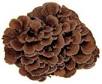
 maitake mushroomsMaitake contains a substance called beta-glucan which may stimulate the immune system and activate certain cells (T cells, natural killer cells, etc.) and proteins that attack cancer and therefore may limit or reverse tumor growth (induces apoptosis).

Reishi offers great immune support as well as protection against radiation.  Reishi also improves liver health—critical for all, but certainly for cancer patients.  With Reishi, the longer you take it, the greater the benefit.

Chaga has many cancer benefits (look for birch tree grown and must be hot water extracted.)  Chaga offers protection from radiation, reduces inflammation,  protects DNA and gives strength to the body– it enables the body to more efficiently deal with the toxins we are exposed to on a daily basis (environmental and from treatments such as chemotherapy).  It is important to note that with some mushrooms, more is better, but this is not the case with Chaga….take only as directed on the package.

Shitake mushrooms stimulate the immune system, activate killer cells, and slow or even halt tumor growth.

But what about the lonely button mushrooms?  Don’t keep them lonely, eat them.  Button mushrooms are thought to contain natural aromatase inhibitors, substances that can block the production of estrogen in the body. Controlling aromatase activity can help decrease estrogen levels, which controls and kills hormone-dependent breast cancers.

A word of caution on mushrooms: Eaten raw, mushrooms contain compounds, called hydrazines, which may be carcinogenic.  Hydrazines are destroyed by cooking, drying or canning. Also, the mycochitin composition of mushroom cell walls, as opposed to cellulose walls of plant cells, is difficult for humans to digest. Our stomachs resent indigestible items, and often forcibly reject them without absorbing nutrients. The cooking process helps break down fungal cell walls, rendering mushroom flesh not only more readily digestible, but also releasing significant nutritional value contained within the cells. 
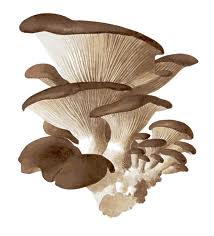
musroomsMy advice?  Consume a variety of fresh mushrooms and supplements as part of an anti-cancer diet and lifestyle to employ maximum anti-cancer benefits. Eaten daily or at least several times a week in conjunction with green tea, mushrooms may help put you in that impressive risk reduction category.

Want to read more mushroom wisdom?

Click Here for Magical Mushrooms; the Sequel

Elyn

www.elynjacobs.wordpress.com

~~If you don’t know your options, you don’t have any~~

Elyn Jacobs is a breast cancer survivor, professional cancer coach, radio talk show host, speaker, and the Executive Director for the Emerald Heart Cancer Foundation. She is also on the peer review board of the Natural Standard Database. Elyn empowers women to choose the path for treatment that best fits their own individual needs. She mentors women who are coping with issues of well-being associated with breast cancer and its aftermath; she is passionate about helping others move forward into a life of health and wellbeing. Elyn has been featured on CNN Money, Talk About Health and more and has contributed to Breast Cancer Answers as well as written for the Pink Paper, Breast Cancer Wellness, Natural Healing-Natural Wellness, Integrative Oncology Essentials, and other publications and newsletters. Elyn lives in New York with her husband and two young boys.

Follow Elyn on Linkedin

Follow Elyn on Facebook

Follow Survive and Live Well on Twitter

Donate to the Emerald Heart Cancer Foundation

Chia Seed: The New Superfood

In Uncategorized on February 14, 2013 at 8:23 pm

When you hear the word “chia”, do you immediately think of those crazy terra-cotta pets that sprout green hair? Well, chia has come a long way from pet to “Superfood”.  Chia seeds, like flax are considered to be a Superfood as they contain high amounts of many essential nutrients.

chia seedsGram for gram, chia contains six times more protein than kidney beans, twice the amount of dietary fiber as bran flakes, three times the amount of iron in spinach, twice the amount of potassium in bananas, and six times the amount of calcium in milk (Bourne, 2002). They also are a great source of Omega 3’s, more so than even salmon, and the ALA gets converted to Omega-3 EPA and DHA, which you can’t get from plant sources. Chia also has gel-forming properties that create a barrier between carbohydrates and digestive enzymes in the stomach. This is why chia slows down the conversion of carbs into sugar and can stabilize sugar blood levels.

So which seed should you eat, flax or chia? It’s not either/or; it’s both—each has benefits.  For example, One ounce of chia contains 4.4grams of protein, which is almost as high as meat– while flax clocks in at 5.1 grams per ounce.  However, chia seeds are considered a complete protein because they contain all the essential amino acids, while flaxseeds do not.

Chia seeds are an excellent source of antioxidants. In fact, it’s their high antioxidant content that keeps the seeds fresh for a long time, and prevents them from turning rancid. Flaxseeds and flaxseed oil, on the other hand, lose their nutrients and go rancid relatively quickly when they’re not stored correctly, preferably in a dark, cool place, like the refrigerator or freezer.

In the mineral category it’s a mixed bag, with chia seeds winning in calcium and phosphorus, and flaxseeds in magnesium and potassium; flax has about five times the potassium as chia, clocking in at 228mg vs chia’s 45mg. The RDA for potassium is a whopping 4,700mg/day.  Most people do not get enough potassium in their diets, which can lead to high blood pressure, loss of bone density, increased risk of stroke or even cancer.

Chia seeds are higher in fiber with 10.6 grams vs. 7.6 grams in flaxseeds. Why is dietary fiber so important? Fiber is needed for bowel regularity, colon detoxification, and weight management, and to eliminate toxins and excess estrogens from the body.

But isn’t flax a phytoestrogen? When referring to phytoestrogens, it is generally thought that a “weak” estrogen may actually be protective against cancer causing xenoestrogens.  Flax is a great example.  The phytoestrogens contained in flaxseed bind to the estrogen receptor, but do not stimulate it; they compete with other estrogens that would otherwise stimulate the estrogen receptor, and thus act as a blocker–they hop on the estrogen and bind up these hormones and carcinogens and remove them from the body.  Plus, studies show that eating ground flax seed reduces tumor size and eaten daily may reduce ki67 levels; ki67 is a protein expressed in rapidly diving cells– high levels of Ki-67 indicate a more aggressive breast tumor and indicate a higher risk of recurrence. For more on flax: Demystifying Flaxseed and Estrogen.

So, don’t underestimate the nutritional value of seeds, especially flaxseeds and chia seeds. They’re nutritional powerhouses. Perhaps the easiest way to eat seeds is to add them to yogurt, cereal or smoothies; you can also use them in baked goods and even as an egg or fat replacer in baked goods and other dishes.  I happen to love them in cereal–mix in 2-3 tablespoons (~30 grams) along with 2-3 tablespoons of freshly ground flax and you have one heck of a start to your day.  One thing—most cereals are over-processed and full of sugar.  If you don’t like or have the time to make real oatmeal, give my “cereal” a try. (See recipe below). Regardless of how you do it, it seems that adding seeds to your diet will definitely bring a lot of healthy benefits.

“Elyn’s Cereal”

Fruit—1 cup blueberries or 1 RIPE banana, sliced (or whatever you have)

2Tbs whey protein (free of artificial hormones, pesticides and sugar, whey helps the body raise Glutathione levels)

2-3 Tbs chia seeds

2-3 Tbs freshly ground flaxseed (a spice grinder works great)

1 tsp cinnamon (helps to manage blood sugar)

1 Tbs black raspberry powder (optional)

1 Tbs pomegranate powder (optional)

1-2 Tbs Ezekiel cereal

½ tsp stevia or honey

One small handful walnuts

Milk of your choice (just nothing out of a box or can)

Mix well and enjoy in good health

Chia: Navitas Naturals Organic Raw Chia Seeds, 1 Pound Pouches

Flax: Bob’s Red Mill Golden Flaxseed, 24-Ounce Bags (Pack of 4)

Elyn

www.elynjacobs.wordpress.com

~~If you don’t know your options, you don’t have any~~

Elyn Jacobs is a breast cancer survivor, professional cancer coach, radio talk show host, speaker, and the Executive Director for the Emerald Heart Cancer Foundation. She is also on the peer review board of the Natural Standard Database. Elyn empowers women to choose the path for treatment that best fits their own individual needs. She mentors women who are coping with issues of well-being associated with breast cancer and its aftermath; she is passionate about helping others move forward into a life of health and wellbeing. Elyn has been featured on CNN Money, Talk About Health and more and has contributed to Breast Cancer Answers as well as written for the Pink Paper, Breast Cancer Wellness, Natural Healing-Natural Wellness, Integrative Oncology Essentials, and other publications and newsletters. Elyn lives in New York with her husband and two young boys.

Follow Elyn on Linkedin

Follow Elyn on Facebook

Follow Survive and Live Well on Twitter

Donate to the Emerald Heart Cancer Foundation

The Clean Truth about the Dirty Dozen

In Uncategorized on February 6, 2013 at 9:46 pm

Clean or dirty produce; is it really that simple? Should that be the sole consideration for eating organic produce?  No, beyond the obvious that organics contain fewer pesticides than conventional, there is also the integrity of our food to consider.

peas and cornThe Environmental Working Group (EWG) maintains lists of the twelve worst (the dirty dozen) and the 15 cleanest (clean 15).  These are great lists, they help us navigate the produce world to know when should consider organic whenever possible and when we can make do with conventional.  However, the lists don’t tell the whole story.  Corn and peas, for example, are part of the clean 15, but they are amongst the list of the top ten genetically modified foods; do you really want to consume GMO’s?  Remember too, that the lists of dirty and clean produce were compiled after the USDA washed the produce using the high-power pressure water systems most of us will never have in our kitchens.

watermelonWatermelon; they are part of the clean 15, but are they safe? You can wash the rind, but what do they absorb?  Consider farming practices in Eastern China; some of the farmers there used the growth hormone Forchlorfenuron to speed up growth and boost yield. However, they used too much of the hormone and the fruit began exploding. The visual for my stomach is not good.  Forchlorfenuron is a legal hormone in China and in the US; here it is used on grapes and kiwi– Forchlorfenuron has been implicated in cancers and neurological disorders.  Remember, just because the FDA says a certain amount of a particular chemical is safe, this isn’t always the case, and for children and those of us who consume copious amounts of produce, there is a cumulative effect.

And what about nutrients?  There seems to be much controversy on whether or not organics contain more nutrients than non-organics—and one recent study has fueled the fire.  But I challenge that study and question the motives and the funding. Regardless, the fact is that it doesn’t mean that organic food is not healthier. Good read: http://www.theatlantic.com/health/archive/2012/09/organic-food-isnt-more-nutritious-but-that-isnt-the-point/261929/

Further, if you remember from my post on Salvestrols, clearly organic is best. Salvestrols are plant derived compounds that produce anticancer agents. These agents cause cancer cells to commit suicide; I like that.  Salvestrols are also part of the plant’s immune system.  Plants are subject to attack by various pathogens, primarily fungi.  These pathogens usually attack the skin of the fruit and or the roots of the plant.  Salvestrols are produced by plants to protect themselves from pests and disease. However, the use of fungicides and crop protection chemicals means that plants which are not organically grown will not express high concentrations of Salvestrols because they are not exposed to the attacks which cause the plant to produce them. Plus, the Salvestrols will enter any fungi that they encounter in the human body and act as natural antifungal agents in the same way as they do in the plants from which they were obtained. In these situations, it appears that what is good for the plant is good for the gardener-or consumer.

salvestrolsLastly, Salvestrols are generally produced late in the ripening phase as this is when the plant is most vulnerable to attack, but produce is typically picked and shipped well before ripe.

Purchasing locally produced organic produce or having your own garden are excellent ways of ensuring that the produce has had a chance to ripen on the vine and is not poisoned during growth…..and, that it has predators. So, the moral of the story is….buy organic or grow your own when you can, and if you can’t, try to avoid the worst offenders, avoid GMOs and never, ever trust the FDA; your health depends on it. When all else fails, consider supplementation; the purest you can find. I guess I should have titled this post the dirty truth about the clean 15….but I prefer to stay in the positive.

For more information:

http://www.naturalnews.com/035734_GMOs_foods_dangers.html

http://www.pbs.org/wnet/need-to-know/health/the-dirty-dozen-and-clean-15-of-produce/616/

http://shine.yahoo.com/healthy-living/2012-dirty-dozen-plus-clean-15-buying-organic-000700620.html

http://www.bloomberg.com/news/2011-05-17/chinese-watermelons-explode-maybe-from-growth-chemical-xinhua-says.html

http://technorati.com/lifestyle/article/watermelons-in-china-exploding-due-to/

http://www.amazon.com/Salvestrols-Natures-Defence-Against-ebook/dp/B008H9LXF2

To listen to Dr Michael Schachter speak on cancer prevention, treatment and Salvestrols, please click here and scroll down to December 4th, 2012.

Elyn

www.elynjacobs.wordpress.com

~~If you don’t know your options, you don’t have any~~

Elyn Jacobs is a breast cancer survivor, professional cancer coach, radio talk show host, speaker, and the Executive Director for the Emerald Heart Cancer Foundation. She is also on the peer review board of the Natural Standard Database. Elyn empowers women to choose the path for treatment that best fits their own individual needs. She mentors women who are coping with issues of well-being associated with breast cancer and its aftermath; she is passionate about helping others move forward into a life of health and wellbeing. Elyn has been featured on CNN Money, Talk About Health and more and has contributed to Breast Cancer Answers as well as written for the Pink Paper, Breast Cancer Wellness, Natural Healing-Natural Wellness, Integrative Oncology Essentials, and other publications. Elyn lives in New York with her husband and two young boys.

 Follow Elyn on Linkedin

Follow Elyn on Facebook

Follow Survive and Live Well on Twitter

Donate to the Emerald Heart Cancer Foundation


Salvestrols: Does Nature Hold the Answer to Cancer?

In Uncategorized on January 17, 2013 at 11:33 pm

I have long believed that nature does indeed hold the answer to cancer.  In November, I spoke with Dr Michael Schachter on my radio show, Survive and Live Well. We had a fantastic conversation about reducing our risk for cancer and treating it if diagnosed.  One recommendation he made for both is the use of Salvestrols, a term I had never heard of.  Salvestrols, you say, huh? The name was coined by Professor Gerry Potter, being a derivative of the Latin work ‘salvia’, the common herb sage, which means ‘to save’. Dr Schachter had suggested we read  Salvestrols: Nature’s Defense Against Cancer.  Intrigued, I contacted the author, Brian Schaefer, and he was kind enough to chat with me.  I read the book; I learned much.healthy food

Simply put, Salvestrols are plant derived compounds that produce anticancer metabolites as a result of their action with a particular enzyme, known as CYP1B1.  This enzyme is present only in cancer cells, and when it encounters a Salvestrol, it converts it into a form which is toxic to the sick cell and causes that cell to commit suicide. Because the enzyme is not present in healthy cells the Salvestrols have no ill effects on them, unlike cancer therapies such as chemotherapy. I found this really exciting.

Salvestrols are also part of the plant’s immune system. They are produced by plants to protect themselves from pests and disease. However, the use of many modern fungicides and crop protection chemicals means that plants which are not organically grown will not express high concentrations of Salvestrols because they not exposed to the attacks which cause the plant to produce them. Plus, Salvestrols are generally produced late in the ripening phase as this is when the plant is most vulnerable to attack, but produce is typically picked well before ripe.

Dr Schachter explained the importance of organics, but he also said that the way our food is now grown and altered (including organic) has significantly reduced the levels of Salvestrols in our foods. To replay my interview with Dr Schachter, please click here.

I often hear “I eat my organic fruits and vegetables but I still have cancer” or “my mother did everything right and still died from her cancer”.  I don’t have all the answers, sometimes cancer wins.  But as Dr Schachter said, it may have to do with the integrity of the organic foods we are eating. But you can maximize the benefit of both diet and Salvestrols by exercising and taking supplements such as biotin.  Exercise will help keep you well oxygenated thus boosting CYP1B1 efficacy, and biotin has been shown to boost Salvestrol metabolism as well as inhibit factors that boost tumor survival. (Note:  Biotin is not recommended for those receiving chemo as it will decrease the effectiveness of these drugs.)  Magnesium and Niacin also support Salvestrol activity; however, a diet rich in produce and whole foods will likely provide a sufficient amount.  A reasonable amount of iron is also a good idea; just don’t go overboard as that can have cancer friendly consequences.mixed berriesk7229-19i

A simple shift in diet may not be sufficient for those at risk or already fighting active disease, but incorporating a large amount of organic fruits and vegetables into one’s diet represents a significant step towards good health and can be quite helpful in disabling the cancer cells which form and develop in our bodies daily. Notable sources of Salvestrols are artichokes, mint, basil, parsley, blueberries, blackberries, strawberries, avocado, kale and other greens. Supplemental Salvestrol is also an option. Salvestrol activity operates regardless of whether the cell is precancerous, part of a primary tumor or part of the metastases of that primary tumor, so they can be considered as important for prevention as for treatment of full-blown cancers.  Just remember, Salvestrols are only one part of the equation, so eat a variety of vegetables to take advantage of all the anticancer compounds, and embrace an overall anticancer lifestyle.

Learn more:

Salvestrols: Nature’s Defence Against Cancer: Linking Diet and Cancer

Salvestrols: Journeys to Wellness

Salvestrols: An Important Piece in the Cancer Fighting Puzzle 

To find this summary on The Schachter Center Website, Click Here

Nothing in this post represents medical advice, and I encourage you to discuss this information with your integrative oncologist or naturopathic doctor. Please note that Salvestrols should not be taken with B17-Laetrile. I have compiled this information solely for those seeking to use natural means to support their body against cancer or enhance cancer treatment.

Elyn

www.elynjacobs.wordpress.com

~~If you don’t know your options, you don’t have any~~

Dr. Michael B. Schachter is a magna cum laude graduate of Columbia College and Columbia P&S Medical School in NYC. He is also a Board Certified Psychiatrist and a Certified Nutrition Specialist. Dr. Schachter has been involved with nutritional and integrative health care for 35 years. A leader in alternative cancer therapies, EDTA chelation and orthomolecular psychiatry, he is a past president of the American College of Advancement in Medicine (ACAM). He has authored numerous articles and was a major contributor to Burton Goldberg’s classic “Alternative Medicine Definitive Guide to Cancer”. His published 2010 paper “Integrative Oncology for Clinicians and Cancer Patients” helps to guide patients in developing a cancer treatment program. In 2010, Dr. Schachter received the Humanitarian Award from the Cancer Control Society in California. He has a special interest in the role of iodine in health and disease. Dr. Schachter is the director of the Schachter Center for Complementary Medicine in Suffern, NY.

Dr. Brian Schaefer was educated in Victoria, B.C., Canada and Oxford, England, obtained a B.Sc., and M.Sc., degree from the University of Victoria and a Doctor of Philosophy (D.Phil.) degree from Oxford University in England (Wolfson College). After these studies were completed he chose to return to Canada. After two years as a research fellow in Ottawa he returned to Victoria where he currently lives with his wife and his two children. A fondness for England continues and he returns to England on a regular basis. He has published and lectured on a broad array of topics including psychometrics, pattern recognition, visual perception, knowledge acquisition, artificial intelligence, laboratory medicine and cancer research. The author serves on the Board of Directors of companies in Canada and England.

Elyn Jacobs is a breast cancer survivor, professional cancer coach, radio talk show host, speaker, and the Executive Director for the Emerald Heart Cancer Foundation. She is also on the peer review board of the Natural Standard Database. Elyn empowers women to choose the path for treatment that best fits their own individual needs. She is passionate about helping others move forward into a life of health and wellbeing. Elyn lives in New York with her husband and two young boys.

Follow Elyn on Linkedin

Follow Elyn on Facebook

Follow Survive and Live Well on Twitter

Donate to the Emerald Heart Cancer Foundation 
Hope and the Cancer Patient

In Uncategorized on January 12, 2013 at 2:07 am

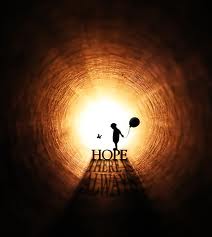
Hope, it gives us the opportunity to do what we must do to heal from our cancer. “Hope is the miracle medicine of the mind.  It inspires the will to live.  Hope is the physician’s strongest ally.” Hope is our strongest ally.  A physician is in a powerful position to influence the outcome of disease.  Even in the face of the most advanced of cancers, there is usually room for some words of encouragement and support, which can make all the difference in the patient’s attitude towards their disease and their treatment.  Yet, physicians don’t always offer hope.  Many patients are told to go home and get their affairs in order, there is nothing we can do, or are given a grim prognosis. Many hear these words upon their initial diagnosis, as the cancer has already progressed.

“While there is life there is hope, has deeper meaning in reverse. While there is hope there is life. Hope comes first, life follows. Hope gives power to life. Hope rouses life to continue to expand, to grow, to reach out, to go on. Hope sees a light where there isn’t any. Hope lights candles in millions of despairing hearts. Where would I be without hope?” ~ Wilferd A. Peterson May 23, 1933

Putting hope in the proper context is important, and false hope is not always beneficial. However, there are countless stories of patients who were offered little chance of survival or a cure, yet who are here years later to tell their tale, so “false hopelessness” is clearly not beneficial either.  Early state or late stage— Hope, it gives us the opportunity to do what we must do to heal from our cancer.  No matter what path we choose for our healing, hope shall be ever present, for while there is hope, there is life. We can hope for a cure. We can hope for peace, comfort and relief from pain as we live each day we are given.  We can hope for a long life, living with our cancer.  While there is hope, there is life.

Want to learn more? Join us for Survive and Live Well, Tuesday at 1pm, EST when I talk with Dr Keith Block on Survival Statistics– what they mean to us; and you won’t want to miss our discussion on Hope: false hope and false hopelessness. You can listen live on www.W4Cs.com or by steaming the show on iTunes.

I also had the opportunity to chat about hope and survival with Dr Deanna Attai. You can replay that show here.

hope and light   While there is Hope there is life
The well-known maxim, “While there is life there is hope,” has a deeper meaning in reverse: “While there is… hope there is life.”Hope comes first, life follows. Hope gives power to life. Hope rouses life to continue, to expand, to grow, to reach out, to go on.Hope sees a light where there isn’t any.Hope lights candles in millions of despairing hearts.Hope is the miracle medicine of the mind. It inspires the will to live. Hope is the physician’s strongest ally.Hope is our shield and buckler against defeat. “Hope,” wrote Alexander Pope, “springs eternal in the human breast.” And as long as it does we will triumph and move forward.Hope never sounds retreat. Hope keeps the banners flying.Hope revives ideals, renews dreams, revitalizes visions.Hope scales the peak, wrestles with the impossible, achieves the highest aim.”The word which God has written on the brow of every person,” wrote Victor Hugo, “is Hope.” As long as we have hope no situation is hopeless.  
Wilferd A Peterson

You may also like: Hope: The Miracle Medicine, my article on hope written for my Options for Life column in the Natural Healing, Natural Wellness E-Zine.

Elyn

~~If you don’t know your options, you don’t have any~~

Elyn Jacobs is a breast cancer survivor, professional cancer coach, radio talk show host, speaker, and the Executive Director for the Emerald Heart Cancer Foundation. Elyn is on the peer review board of the Natural Standard Database. Elyn empowers women to choose the path for treatment that best fits their own individual needs. She is passionate about helping others move forward into a life of health and wellbeing. Elyn lives in New York with her husband and two young boys.

www.elynjacobs.wordpress.com

Twitter@survivelivewell

Facebook @Elyn Jacobs Consulting

LinkedIn @Elyn Jacobs


2012 Archive List for Cancer Prevention and Treatment

In Uncategorized on December 29, 2012 at 2:59 pm

Tamoxifen: There is More to the Story

Natural Alternatives to Tamoxifen

Managing Estrogen Naturally

 Natural Alternatives to Aromatase Inhibitors

 Wine, Cheese and Chocolate Anti-Cancer Party

Food, is it Good for Our Health or Our Cancer

An Herb Garden to Fight Cancer

Healing Cancer Naturally, Dental Toxins and More

Why we are Not Winning the War on Cancer

What Everyone Should Know About Beating Cancer

Cancer Fighting Farm Stand Recipes

Light at Night and Breast Cancer

Integrative Oncology Works!

The Dark Side of Peanuts and Dairy

The Mind-Body Connection to Beating Breast Cancer

Changing the Cancer Environment

Redwood Forest

Can Cell Phones Cause Cancer, Infertility; Are Our Children at Risk?

Cell Phones and Cancer; the Absence of Evidence is not Evidence of Absence

And one to mention from my blog:

Eating to Cheat Cancer

Don’t forget to tune in Tuesdays at 1pm for Survive and Live Well and visit the Archives.

I wish you all a healthy and happy New Year!

Elyn

~~If you don’t know your options, you don’t have any~~

Elyn Jacobs is a breast cancer survivor, professional cancer coach, radio talk show host, speaker, and the Executive Director for the Emerald Heart Cancer Foundation. Elyn is on the peer review board of the Natural Standard Database. Elyn empowers women to choose the path for treatment that best fits their own individual needs. She is passionate about helping others move forward into a life of health and wellbeing. Elyn lives in New York with her husband and two young boys.

www.elynjacobs.wordpress.com

Twitter@survivelivewell

Facebook @Elyn Jacobs Consulting

LinkedIn @Elyn Jacobs

Tamoxifen : There is More to the Story

In Uncategorized on December 14, 2012 at 4:41 pm

Tamoxifen is such a hot topic…and quite controversial.  At the recent San Antonio Breast Cancer Symposium, a summary of the ATLAS  (Adjuvant Tamoxifen: Longer Against Shorter) trial was presented.   The study suggests that women who took Tamoxifen for ten years had improved survival over women who took it for five years. Can we be sure the study is accurate and telling the whole story?  I try to keep an open mind; I am having a hard time swallowing this one. I know that, despite what some say, Tamoxifen is not well tolerated, and causes debilitating side effects.  I know that Tamoxifen has been classified by the WHO as a “human carcinogen”.

I get carcinogens, I get that we have to weigh the pros and cons of everything we take.  But if five years is good and ten years is better, does the risk increase more than the reward?  What about the risk for the other issues that Tamoxifen causes…the bone pain, joint pain, coughing, blurred vision, etc; is a small increase worth the suffering it may cause for so many? For some reason we are often told that “it’s a small price to pay”, but the answer should not be part of the problem, especially if the cost is too high.   Here’s another take on the subject:  Tamoxifen: Praised As “Life Saving” But Still Causing Cancer.

There is more to the story….or two sides to the story, if you will.

The study indicates that there was a slight benefit to staying on the Tamoxifen for ten years, but it also provides that the risk for serious side effects increased as well (for example, endometrial cancer was 3.1% in the ten year group, compared with 1.6% in the group that stopped at five), and no mention was made of debilitating side effects that severely reduce quality of life.  The study was also a bit flawed, as there was not a placebo for the group that stopped the Tam after five years, but also in that it did not provide a group of women who either substituted Tam with natural means or took the Tam for five years and then switched to natural means.  Only then would we see if the Tamoxifen worked better and was worthy of the risks, or if we might be able to manage just as well without the drug.

Remember, this is just one study, and you are not a statistic.  So please, talk to your doctor, do your research; if Tamoxifen seems right for you, go for it for the amount of time that you believe is best.   If it doesn’t, perhaps consider managing estrogen naturally.  Remember, there is no one right answer; know your options.  For more information on Tamoxifen alternatives, please see the links below.

http://www.all-natural.com/tamox.html (note: this one is interesting, but dated)

https://elynjacobs.wordpress.com/2012/01/15/natural-alternatives-to-tamoxifen/

http://elynjacobs.blogspot.com/2012/09/food-natural-alternative-for-tamoxifen.html

https://elynjacobs.wordpress.com/2012/09/20/natural-alternatives-to-aromatase-inhibitors/

Elyn

~~If you don’t know your options, you don’t have any~~

Elyn Jacobs is a breast cancer survivor, professional cancer coach, radio talk show host, speaker, and the Executive Director for the Emerald Heart Cancer Foundation. Elyn is on the peer review board of the Natural Standard Database. Elyn empowers women to choose the path for treatment that best fits their own individual needs. She is passionate about helping others move forward into a life of health and wellbeing. Elyn lives in New York with her husband and two young boys.

www.elynjacobs.wordpress.com

Twitter@survivelivewell

Facebook @Elyn Jacobs Consulting

LinkedIn @Elyn Jacobs

Grass Roots Efforts to Fund Breast Cancer Vaccine Moves Forward

In Uncategorized on November 19, 2012 at 12:18 am

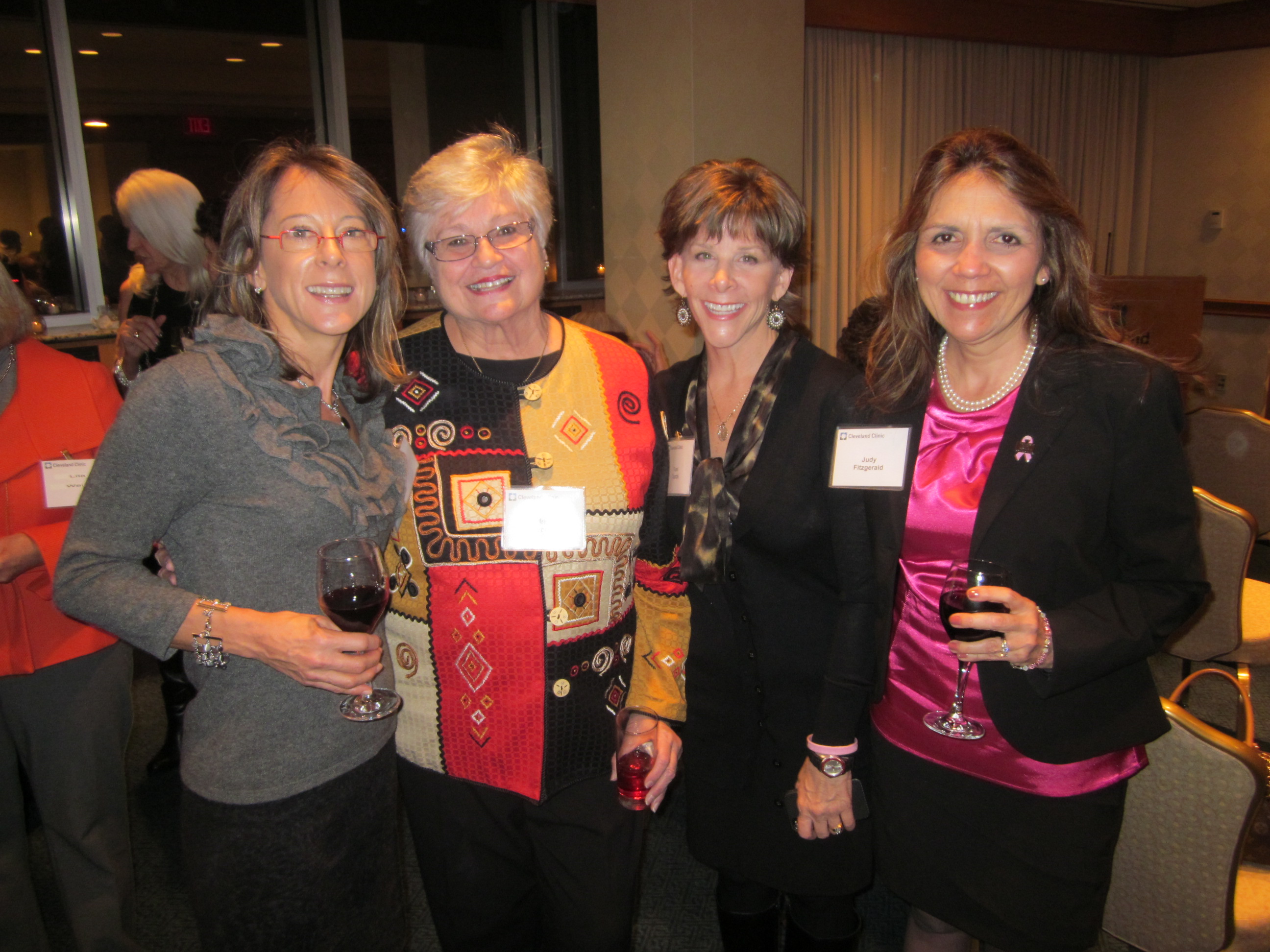
This week I had the pleasure of traveling to the Cleveland Clinic to meet Professor Vincent Tuohy and to see him accept the Mort and Iris November Distinguished Chair in Innovative Breast Cancer Research, made possible by the $1 million endowment given by the Novembers.  I am so grateful to have met this lovely couple; their vision and passion for seeing this vaccine come to fruition warms my heart in so many ways. I am so grateful to have finally met Dr Tuohy and his amazing team of researchers.  They have big plans; the vaccine for breast cancer, yes, but also ovarian and prostate.  I was also grateful to have met up with Judy Fitzgerald, Toni Turchi and so many others who are collaboratively making a breast cancer vaccine a reality, not just a vision or shelf ornament.  The room was filled with passionate people; a group united by the desire to prevent breast cancer.  Professor Tuohy humbly credited the many players in this collaborative grass roots effort. 

Breast cancer vaccine researcher Vincent Tuohy gets $1 million gift for endowed chair at Cleveland Clinic

The support of the Novembers is huge, as sadly, it takes much money to get to and through the trial stage, and funding has been hard to come by.  Therefore, our grass roots efforts won’t end here; we will continue and intensify our efforts, one dollar at a time.  I’d like to share a few notable examples.

 Fellow survivor and Pink Champion Judy Fitzgerald works tirelessly at raising funds for the vaccine through book sales, product sales, and so much more.  Please know that 100% of profits and donations go directly to the funding of the vaccine. Her website, Sisters4Prevention says it all. Judy has also enlisted others in her efforts and was able to present Dr Tuohy with a check for $1500 for funds raised by her sister, Pat Murray, and the faculty and students of Gold Hill Middle School.  This money was raised during the month of October by students and faculty by selling bracelets, wear pink days, and filling “pink piggy banks” painted by Pat with “Pennies for Prevention”.  I’d like to share a quote from Judy:

     “On my connecting flight home from Cleveland yesterday, my Southwest flight was unusually crowded due to the Thanksgiving holiday next week.  In lieu of my usual aisle seat, I opted for a window, something I haven’t done in years.  When we were approaching Providence, I found myself looking out the window in awe.  How unthinkable would it have been for our forefathers to even imagine that one day it would be possible to travel thousands of miles in the air in a metal tube with seats?  Had it not been for courageous scientists who refused to be told that their “outside the box” ideas could not be possible, I would have been traveling from Cleveland by horse and buggy.

Dr. Tuohy’s preventive vaccine for breast cancer is a first.  The difficult journey he has faced in converting the opposition of unbelievers has been a long one, but like other great and “unimaginable” ideas this road had to be conquered.  We have this vaccine which prevents breast cancer 100% in mice.  It has had 8 years of animal testing.  What now works in humans, first worked in mice.  We are getting so close…we MUST test it.  Why wouldn’t we test it?  We NEED to test it.  The unbelievers are converting…the history books will have one more great moment to report.  Just like the day Neil Armstrong landed on the moon, there will be a day when we can say…it’s time.  Dr. Tuohy, take your vaccine off the shelf in your lab, well done good and faithful servant…you’re going to clinical trials!”

Survivor and champion Toni Turchi is the Founder and President of the Toni Turchi Foundation and has joined forces with Dr. Tuohy to support his work. Toni set up her foundation solely for the purpose of finding prevention for breast cancer.   Her mission is devoted to raising funds in support of scientific methods proven to prevent and one day eradicate the disease of breast cancer.  In her mind, if they can find a vaccine for the 1950’s polio epidemic, they why can’t we put a stop to this horrific disease?

Dr Kathleen Ruddy created the Breast Health & Healing Foundation whose mission is to discover the causes of breast cancer and to use that knowledge to prevent the disease. Kathleen has been in the forefront of educating the world on prevention and the viability of the vaccine and has toiled endlessly to finance this vaccine. She has done years of research on the Pink Virus, the suspected of causing some breast cancers and has been a supporter of Dr. Tuohy’s work since she learned of it in 2010.

Cindy Sullivan is the brilliant survivor who has had one heck of time with breast cancer but gets all the credit for banding us together; she makes things happen.  Cindy created the pink vaccine website and Facebook page and maintains these faithfully.  She also tirelessly writes letters in support of the vaccine. Cindy and Kathleen were greatly missed in Cleveland, but were there in our hearts as we witnessed the coming together of a room full of strangers who share a common link to cancer and a dedication to see that others don’t have to take that path.  None of us left that room as strangers.

There are many, many other individuals and small businesses that are determined to see this vaccine get in the hands of doctors. Survivor and author Tami Boehmer got involved.  She had been nominated by Kids ll as one of eight Pink Power Moms and was given $5,000 to the charity of her choice. She picked Tuohy’s vaccine because she thought it would be amazing if her daughter never had to worry about getting this disease.

While I can’t list them all, one more to mention is Don Ballard.  Don, owner of Master Mechanic Diagnostics and Repair and who lost his mother to breast cancer when he was only twelve years old, started his own grass roots effort with Breaks for Breasts.  In 2011, Brakes for Breasts donated $10,000. This year, 20 auto repair shops in 16 states are participating.

“Here’s how Brakes for Breasts works. Our clients receive free brake pads or shoes and they pay for the labor and any other necessary parts to complete the brake job,” said Best. “The shop donates 10 percent of those funds to Cleveland Clinic’s Breast Cancer Vaccine Research Fund. Our vendor provides the pads and shoes to us at no charge and that’s their contribution. The best part is that 100 percent of the funds go directly to research for the breast cancer vaccine.”  Read more.

I know that there is concern out there about vaccines.  I know that we are capable of preventing many cancers with lifestyle efforts.  However, I know that we need more to prevent cancer and that we must try this vaccine to see if it is safe and effective.  It may not help me, it may not help you, but it may just mean a better future for the next generation.  Healthcare costs are staggering and rising, and our quality of care will be dropping.  Just this week I received and email from a patient in London. She commented that the lack of options and surgical skills available severely limit her ability to make the best choices for her, for her cancer. We have the skills here in the US, but will we be able to afford the options; that is the question. Cancer is a terrible disease; the treatment grueling and not terribly effective. Children lose parents at a young age, parents lose children. Right now we cannot stop this disease and we cannot afford to have it occur.

Become a supporter via the links above or direct to the Cleveland Clinic.

Elyn

www.elynjacobs.wordpress.com

Twitter@survivelivewell

Facebook @Elyn Jacobs Consulting

LinkedIn @Elyn Jacobs

Elyn Jacobs is a breast cancer survivor, professional cancer coach, radio talk show host, speaker, and the Executive Director for the Emerald Heart Cancer Foundation. Elyn is on the peer review board of the Natural Standard Database. Elyn empowers women to choose the path for treatment that best fits their own individual needs. She is passionate about helping others move forward into a life of health and wellbeing. Elyn lives in New York with her husband and two young boys.

Managing Estrogen Naturally

In Uncategorized on October 30, 2012 at 4:27 pm

Estrogen…it’s a matter of balance.

There are many factors that influence the body’s production and metabolism of estrogen. Environmental estrogens (such as BPA, pesticides, cleaning products and cosmetics) as well as the natural estrogen compounds we encounter on a daily basis need to be addressed. We can’t avoid all the triggers, but it’s important to consider lifestyle changes that reduce exposure and can help balance our estrogen.

Obesity increases estrogen (and limits the effectiveness of aromatase inhibitors).  If you are overweight, lose it as fat cells increase estrogen production. Over-consumption of calories also leads to increased metabolic activity in the body.  This in turn leads to excessive free radical formation.  Free radicals damage cells and cause genetic mutations, which ultimately can lead to cancer.  Studies have also shown that calorie restriction inhibits tumor growth.

Exercise can help balance hormones through the pre-menopausal years and beyond, and can help maintain a healthy weight.  Those who exercise regularly are usually happier, less depressed, and have a more optimistic outlook on life.  This results in increased life expectancy; statistically, life expectancy increases by two hours for every hour spent exercising. Exercise with a friend; double the pleasure!

Alcohol consumption increases estrogen levels, especially if taken along with estrogen replacement therapy.  Also, alcohol and drugs can damage the liver which will lead to an increase in estrogen due to the lack of estrogen breakdown; alcohol cconverts into DNA-destroying acetaldehyde, a carcinogen.  Dr Keith Block likes to say he is a vegan with a heart…I guess I am an educator with compassion; for suggestions to mitigate the risks of alcohol, please read: https://elynjacobs.wordpress.com/2012/10/27/wine-cheese-and-chocolate-anti-cancer-party/

Caffeine intake from all sources is linked with higher estrogen levels regardless of age, body mass index, smoking, and caloric and alcohol intake.  Green tea has some caffeine (decaf is not recommended as the process compromises the activity and can be carcinogenic), but its redeeming qualities make it well worth consuming a few cups a day. If you drink coffee…know that it too has some redeeming qualities (not nearly that of green tea), so enjoy a cup, but don’t overdo it. Those who consumed a t least 500mg of caffeine daily, the equivalent of four or five cups of coffee had nearly 70% more estrogen than women who consumed less than 100mg of caffeine daily.

What about that magic pill….

And no, I am not talking about Tamoxifen.

About twenty years ago, scientists discovered that when broccoli was added to the diets of animals, it could prevent certain forms of cancer.  Since then, numerous studies have shown the efficacy of crucifers as a cancer-crusher. Cruciferous vegetables (and their ability to produce sulforaphane) slow the development of cancer by detoxifying carcinogenic substances, preventing pre-cancerous cells from developing into malignant tumors, promoting the suicide of cancer cells (apoptosis), and starving tumors of their blood supply (angiogenesis.) And, you guessed it, they also help balance our estrogens, the good and the bad.

Yes, there’s “bad” and “good” estrogen! And, they’ve got to be balanced, just like good and bad cholesterol because estrogen can be metabolized in two different pathways in the liver, which results in two different kinds of estrogen, “good” and “bad”.  “Good” estrogen metabolites are released into the bloodstream where they provide benefits, such as prevention of heart disease, and the creation of strong, healthy bones. “Bad” estrogen, in large quantities, can result in many health problems including breast, ovarian, prostate, and uterine cancer.  It’s a big reason why some women are more prone to cancer than others. It’s the type of estrogen in your body that makes the difference.

13C—no, it’s not my apartment number.  13C is a natural compound the body produces when you eat cruciferous vegetables such as broccoli and Brussels sprouts.  It is the 13C that blocks the pathways of cancer and stops cancer cells from proliferating—and it helps metabolize and breakdown estrogen in the body balancing hormone levels.  Yes, we can get this nutrient in crucifers, but we would need to eat a lot–and I mean a lot, to influence the ratio of good to bad estrogen; you would have to eat about two pounds of raw or lightly cooked crucifers almost daily.  Here is when a good supplement becomes ideal.  13C is the natural precursor to DIM (diindolylmethane); if considering a supplement, DIM would be preferable over 13C as it is more readily available to the body, and 13C is more irritating to the stomach; I3C has also been shown to be a tumor promoter in chronic use studies of thyroid, colon, and liver health, something not found with DIM.  However, since crucifers contain a whole family of protective phytochemicals in addition to DIM, the best approach is to eat plenty of crucifers and take a supplement.  And, as always, brands matter when it comes to supplements; please do your research or consult with a trusted pharmacist, doctor or advocate.

The supplemental use of phytonutrients from cruciferous vegetables has great potential for the prevention of cancer; specifically the discovery that cruciferous indole — diindolylmethane and indole-3-carbinol (I3C) – may just be the magic pill to promote the healthy metabolism of estrogen.

Is DIM the only story in town; is it really the magic pill?  No, while it is big, there are a few other notable mentions.  Key players are Vitamins E and C,  B vitamins, such as B6, B12 and folate (B9), NAC, selenium, curcumin, green tea, D-Limonene, magnesium, flaxseed, pomegranate, probiotics, sufficient protein intake, complex carbs instead of simple sugars, and consuming only healthy fats.

Food matters; the concept of how what we eat strongly effects how our genes behave is firmly established; but, although it was discovered more than ten years ago, the connection between dietary ingredients and metabolism of estrogen is only recently recognized as important.  The consumption of specific phytochemicals can improve the adaptive responses that regulate hormonal metabolism.

I talk about DIM and foods supportive of estrogen balance in following posts:

https://elynjacobs.wordpress.com/2012/01/15/natural-alternatives-to-tamoxifen/

https://elynjacobs.wordpress.com/2012/09/20/natural-alternatives-to-aromatase-inhibitors/

http://elynjacobs.blogspot.com/2012/09/food-natural-alternative-for-tamoxifen.html

http://elynjacobs.blogspot.com/2010/12/eating-to-cheat-cancer.html

Give some DIM to your man too…. Estrogen metabolism slows as men age, especially when coupled with obesity and regular alcohol use. Too much estrogen plays havoc with a man’s sex life.  Avoiding overactive testosterone metabolism and reducing the conversion of testosterone into estrogen are goals of nutritional support in middle-aged and older men.

Elyn

www.elynjacobs.wordpress.com

Twitter@survivelivewell

Facebook @Elyn Jacobs Consulting

LinkedIn @Elyn Jacobs

Elyn Jacobs is a breast cancer survivor, professional cancer coach, radio talk show host, speaker, and the Executive Director for the Emerald Heart Cancer Foundation. Elyn is on the peer review board of the Natural Standard Database. Elyn empowers women to choose the path for treatment that best fits their own individual needs.  She is passionate about helping others move forward into a life of health and wellbeing. Elyn lives in New York with her husband and two young boys.


Wine, Cheese and Chocolate Anti-Cancer Party

In Uncategorized on October 27, 2012 at 9:50 pm

Wine, Cheese and Chocolate are three things you don’t always associate with an anti-cancer diet.  However, while critics may say–whoa, hold on now—hear me out.  Wine, cheese, chocolate can be good for you, in moderation and with a few rules.

Red wine, (and dark chocolate) have positive components that are actually good for your heart and may inhibit the development of certain cancers, including breast cancer. There have been studies and reports on this for years. Of course, there are studies that say ANY alcohol raises your risk for breast cancer (likely these were done by teetotalers…just kidding).  The bad news is that the body converts alcohol into DNA-destroying acetaldehyde, a carcinogen (same family as formaldehyde). However, you can help neutralize alcohol’s toxic effects by consuming certain nutrients and phytonutrients. A glass or two of red wine now and then can be a very nice social experience and can be quite enjoyable–and healthful–just don’t over-do it. 

Protective components are carotene (think carrots), folic Acid (B9), niacin (B3), vitamins B6, B1, C, D, E, and a few others in smaller amounts.  Keep in mind that red wine is a good source of folic acid, biotin, vitamin B6, niacin, potassium and magnesium….so it itself, it is part of the solution.  A note on folic acid— research indicates that women who drink alcohol and have a high folate intake are not at any higher risk of some breast cancers than those who abstain from alcohol.  But when it comes to folic acid,  go for the real thing– you can find it in abundance in citrus fruits, dark green leafy vegetables, dried beans, and peas, and yes, red wine—all in the form of natural folate, which is much safer than synthetic folic acid.  (Please don’t depend on the folate in wine…you need much more). 

Alcohol also depletes necessary glutathione; NAC helps the body produce more glutathione. (N-acetyl cysteine is also used for preventing alcohol related liver damage and to combat toxicity from Tylenol use).  Keep in mind that alcohol is tough on the liver, and you depend on your liver to remove toxins from the body. Green tea and silymarin (milk thistle) prevent damage to the liver by acting as an antioxidant and enhancing the detoxification process; grape seed extract and barley grasses are also helpful. Remember too…always have a high-fiber snack with your wine and  consider a daily  brazil nut, as they are high in selenium, of which a deficiency can increase risk for cancer; selenium levels tend to be reduced in people who drink alcohol regularly.

Take a look at these links…you can taste the controversy—so please, while there are arguments on both sides, it is best for your all around health to enjoy  your wine if it brings you pleasure, but limit consumption and load up on the protective nutrients that may eliminate or reduce risk of cancers associated with drinking alcohol.

http://www.cancer.gov/cancertopics/factsheet/prevention/redwine

http://www.allvoices.com/contributed-news/13344967-a-glass-of-wine-a-day-helps-fight-breast-cancer

http://www.medicalnewstoday.com/articles/240065.php?utm_medium=twitter&utm_s

http://www.lef.org/magazine/mag2011/dec2011_Link-Between-Alcohol-and-Cancer-Death_01.htm

http://naturalsociety.com/2-glasses-wine-daily-may-half-brain-cell-production/

http://www.mentalhealthy.co.uk/news/938-study-into-the-benefits-of-red-wine.html

Cheese; a cancer no-no, right?  Most of us think cheese is the enemy; it’s loaded with fat and contributes to cancer.  Dr William Li has a different opinion. Certain cheeses contain Vitamin K2 that inhibits cancer growth.  But don’t think you are limited to Gouda and Jarlsburg; other hard and soft cheeses contain K2, as do butter and egg yolks.  Also, full fat dairy contains CLA which has powerful anti-cancer benefits, so skip the low fat versions; just be sure to buy organic, locally produced cheese made from cows or sheep not injected with hormones, and who are grass fed, whenever possible. CLA may also help reduce body fat—especially belly fat, something which increases our risk for cancer.  Remember—real food for real people; when you mess with Mother Nature you pass up on nutrients and add chemicals.  (Eat the butter and cheese, pass on the substitutes)

http://www.ericcressey.com/is-dairy-healthy-the-whole-story-part-2

http://ajcn.nutrition.org/content/82/4/894.abstract

http://www.eatwild.com/cla.html

Chocolate, oh how we love chocolate. Chocolate was once thought to be nothing more than a decadent indulgence.  We think of chocolate as forbidden as we try to avoid sugar; but chocolate actually helps regulate blood sugar.  Just be sure to eat the real thing….the general rule is to look for 70% or higher and  sugar content should be minimal; read the ingredients (there should not be many and they should be real foods). And, research shows that dark chocolate may just be the top antioxidant, right up there or even better than blueberries! For better or worse, the food you eat sends messages to your genes which alters their expression patterns, and that in turn can alter disease. Inflammation-related genes are no exception, and inflammation is the precursor to cancer. Eating plenty of blueberries and chocolate can make those inflammatory genes behave nicely. Chocolate covered blueberries anyone?

There is more to the chocolate story:

http://physicianswholisten.blogspot.com/2011/02/its-time-to-nust-myths-about-chocolate.html

http://www.drnitasbrand.com/article-foodandmedicine.html

So, enjoy your party—but don’t cry…..have some red wine, some cheese and a few truffles, soufflés and even hot chocolate as it can be a good source of resveratrol and cocoa phenols (flavonoids) as long as dark chocolate with a high content of cocoa is used.  Just remember that terrible word…moderation.  Live a little….isn’t that why we work so hard to beat cancer?

Elyn

www.elynjacobs.wordpress.com

Twitter @survivelivewell and @elynjacobs

Facebook @Elyn Jacobs Consulting

LinkedIn @Elyn Jacobs

Elyn Jacobs is a breast cancer survivor, professional cancer coach, radio talk show host, speaker, and the Executive Director for the Emerald Heart Cancer Foundation. Elyn is also on the peer review board of the Natural Standard Database. Elyn empowers women to choose the path for treatment that best fits their own individual needs.  She is passionate about helping others move forward into a life of health and wellbeing. Elyn lives in New York with her husband and two young boys.