elynjacobs

Archive for the ‘Uncategorized’ Category

Cancer Stem Cells and Progression of Disease: What You Need to Know Now

In Alternative Cancer Therapies, Alternatives Cancer Treatment, Breast Cancer, Cancer, Cancer Coach, chemo and cancer stem cells, chemotherapy, Integrative Oncology, radiation and cancer stem cells, Radiotherapy for breast cancer, Uncategorized, what causes cancer stem cells, what causes cancer to spread on July 8, 2015 at 10:22 am

Could it be that oncologists are missing the key to cancer recurrence and progression?  Could this be why there are so many repeat customers?

For over forty years oncologists have considered tumor reduction and remission as measures of successful treatment.  Are they misguided in placing so much emphasis on this parameter?

During a recent episode of my radio show, Survive and Live Well, Dr Michael Schachter shared his views on Cancer Stem Cells (CSCs)–Cancer Stem Cells are at the forefront of the theory behind the reason conventional treatment often fails.  The following is a summary of the show. To replay the podcast, please visit Cancer Stem Cells.

Dr Schachter explained that the issue of cancer stem cells goes way back to around 1910, though the term wasn’t used then. John Beard MD, PhD, a brilliant Scottish embryologist, proposed the Trophoblastic Theory of Cancer at that time. According to Dr. Beard, during embryological development, 80% of the cells destined to become germ cells migrate to the gonads (male testes and female ovaries). About 20% of these totipotent (immature) germ cells migrate to different areas of the body and remain dormant. These are today’s modern day stem cells that are mobilized to repair damaged tissue.  However, when stem cells become dysregulated (impaired), they can become modern day cancer stem cells. This concept was further developed and brought up to date by cancer clinician and researcher, Nicholas Gonzalez MD, in his brilliant book, The Trophoblast and the Origins of Cancer, which was published in 2010.

Recent research on cancer stem cells has established some amazing facts. Although CSC’s constitute only 1 to 5% of the cancer cells within a tumor, they are the only cancer cells that metastasize to other parts of the body. CSC’s are resistant to radiation and chemotherapy and actually stimulated to grow faster and more vehemently when radiation and/or chemotherapy are used. It is believed that cancer mortality is directly related to cancer stem cell activity (proliferative and metastatic).

Don’t be misled into thinking that tumor reduction guarantees that you are making progress with respect to overcoming the disease, as you may not be. Shrinking a tumor by killing the less damaging cancer cells (the non-stem cells) with chemo and/or radiation may NOT improve long term survival and may increase the likelihood that these cancer stem cells will metastasize, allowing them to regenerate tumors elsewhere in the body. So although you may get an 80% reduction in tumor bulk, you are not targeting the most dangerous of the cells.

Another very important point covered was that CSCs are stimulated to grow by inflammatory factors related to various stressors on the body:

  • Various  psychological losses result in secretion of Interleukin 6, which stimulates the growth of CSCs
  • Trapped emotions can stimulate cancer stem cells to regroup, which is yet another reason emotional stress is undoubtedly a major cause of cancer and it recurrence (see below for remedies)
  • Dying cancer cells emit the cytokines, Interleukin 6 and Interleukin 8, which stimulates cancer stem cells to proliferate. They stimulate normal stem cells to repair tissue damage, but stimulate cancer stem cells to grow

Releasing trapped emotions and eliminating the bonds you have with events and people so you can leave such negative emotions in the past can play a major role in healing.  There are many ways to do this:

  • EFT tapping: a form of psychological acupressure that helps resolve emotional issues, cleaning out past traumas that contribute to dis-ease
  • Psychotherapy: an approach to wellness that recognizes the interconnection between mind, body and spirit
  • Energy work such as Qi Gong, Reiki, meditation, and distant energy healing such as the Oracle Method
  • Emotion Code: an energy technique that helps facilitate the release of trapped negative emotions

While the drug Celebrex, a non-steroidal anti-inflammatory drug (or NSAID), inhibits inflammation and reduces stimulation to cancer stem cells, it has many dangerous adverse side effects associated with its use. A similar drug, Vioxx, was taken off the market after causing thousands of heart attacks. Fortunately many relatively non-toxic natural substances block inflammatory stimulation of CSC’s and Dr. Schachter advocates the use of many of these substances for cancer patients. Some examples of anti-inflammatory substances which can be found in capsule or liquid extract form are:

  • Curcumin
  • Thymoquinone from black cumin seed
  • Sulforaphane and other glucosinolates and isothiocyanates from cruciferous vegetables
  • Vitamin D
  • Boswellia or Frankincense
  • Parent Essential Fatty Acids (Linoleic Acid and Alpha Linolenic Acid)
  • Stabilized Aloe Vera extract

For more natural substances that target cancer stem cells, Please read my article Cancer Stem Cells—Could They Be the Key to Metastasis 

 What Other Experts Have To Say

The interesting thing about the recent introduction of the modern Cancer Stem Cell Theory into an understanding of cancer is that it was not developed by the ‘alternative’ world, but by very traditional conventional cancer researchers.  For example, establishment oncologist and researcher Max Wicha MD (a former National Cancer Institute (NCI) researcher and the Founding Director Emeritus of the University of Michigan’s Comprehensive Cancer Center) is a pioneer in research on why cancers recur and spread to other parts of the body and has been a leader in the CSC theory. Dr Wicha has been doing research and conducting clinical trials that specifically target breast cancer stem cells, but he also has an interest in colon cancer and lung cancer as well. He has been involved in cancer research for 30 years and is currently involved with eight clinical trial involving CSCs.  Some of Dr. Wicha’s lectures can be found on YouTube and can be found by searching this site and via the links below. Some of the points made during his lectures are:

  • Standard cancer treatments not only often fail to eradicate cancer, but can sometimes make it worse
  • 30% of breast and prostate CA patients have bone marrow metastases at the time of diagnosis
  • Breast cancer is driven by cancer stem cells
  • Only certain breast cancer cells (CSCs) would develop into cancer in immune suppressed mice
  • Cancer stem cells are dysregulated adult stem cells
  • One approach he has taken in his research with breast cancer stem cells is to develop patentable drugs that block the Interleukin 8 receptors on stromal and cancer stem cells; he thus remains very much in the mainstream of conventional oncology, which is not particularly interested in researching non-patentable natural substances that my play a role in inhibiting cancer stem cells

In at least one newspaper article, the reporter said that Dr Wicha indicated that he hoped breast cancer could be treated without chemotherapy– just making use of medications that target the stem cells. However, he quickly retracted this view and said that breast cancer patients and all cancer patients should follow the conventional standard of care for conventional cancer treatment and then if necessary, look for clinical trials that target cancer stem cells.

At this point in time, Dr. Schachter has not heard much from his cancer patients regarding any discussion about cancer stem cells with their conventional oncologists, many of whom believe this area is at best considered experimental.

With my clients I have also found there to have been a complete omission of the discussion of cancer stem cells with respective oncologists.  I am always amazed that something so vital to successful outcome is not discussed along with a proposed treatment plan.

A few other researchers are doing research in cancer stem cells. One example is Maximilian Diehn MD, PhD of the Stanford University Medical Center who is an acclaimed researcher studying normal and cancer stem cell biology and its implications for cancer therapy.

Brad Weeks MD, who teaches other physicians about insulin potentiation therapy (IPT), a controversial treatment involving the use of insulin and low doses of chemotherapy, believes that no cancer patient should be treated without addressing cancer stem cells. He advocates the use of relatively non-toxic medications, such as Metformin and other anti-inflammatory strategies, such as non-inflammatory diets that avoid sugar and artificial chemicals in food. He also recommends various herbal supplements that are anti-inflammatory and that inhibit cancer stem cells.

Dr. Schachter is not an advocate of IPT at this time, but does utilize many of the anti-inflammatory strategies to inhibit cancer stem cells. He incorporates many relatively non-toxic substances to help the patient prevent and manage cancer without the use of toxic agents. During previous interviews on this program Dr. Schachter has discussed the use of Salvestrols, the use of  fat soluble vitamins (like vitamins D, A and K2 (MK4), a therapeutic diet, stress management, exercise and various other factors that a cancer patient should incorporate into his/her comprehensive program. Please visit the Radio Show Archives for past shows with Dr. Schachter.

Learn more:

  • Cancer stem cells are resistant to radiation (Baker, M Stem cells: Nature. 2009 Apr 23;458(7241):962-5.
  • For more information on energy healers, please visit Alternative and Complementary Therapies

Elyn

             ~~If you don’t know your options, you don’t have any~~

 MEDICAL DISCLAIMER:  Reading the information in this post does not constitute a physician-patient relationship. The information included in this post is for educational purposes only. It is not intended nor implied to be a substitute for professional medical advice. Always consult with your healthcare provider regarding a medical condition or any treatments.

Dr. Michael B. Schachter is a magna cum laude graduate of Columbia College and Columbia P&S Medical School in NYC. He is also a Board Certified Psychiatrist and a Certified Nutrition Specialist. Dr. Schachter has been involved with nutritional and integrative health care for 40 years. A leader in alternative cancer therapies, EDTA chelation and orthomolecular psychiatry, he is a past president of the American College of Advancement in Medicine (ACAM). He has authored numerous articles and was a major contributor to the large chapter about him in Burton Goldberg’s classic “Alternative Medicine Definitive Guide to Cancer”. His published 2010 paper “Integrative Oncology for Clinicians and Cancer Patients” helps to guide patients in developing a cancer treatment program. His latest article published in 2013 entitled “Integrating Nutrition and Selected Controversial Nutritional Supplements into a Cancer Treatment” is an abridged and updated version of his 2010 article. In 2010, Dr. Schachter received the Humanitarian Award from the Cancer Control Society in California. Dr. Schachter is the director of the Schachter Center for Complementary Medicine in Suffern, NY, which is located in Rockland County, about 45 minutes from New York City.

 More information about Dr. Schachter and the Center are available at the Schachter Center Website. Many articles by Dr Schachter can be accessed from this site, including the two articles mentioned above.

Elyn Jacobs is a breast cancer survivor, professional cancer strategist, speaker, and the Executive Director for the Emerald Heart Cancer Foundation. Elyn empowers women to choose the path for treatment that best fits their own individual needs. She is passionate about helping others move forward into a life of health and well-being. Elyn has been featured on CNN Money, Talk About Health, and Breast Cancer Answers, is a contributor to The Truth About Cancer, and has written for the Pink Paper, Breast Cancer Wellness, Integrative Oncology Essentials, Surviving Beautifully, Body Local, Natural Health-Natural Wellness, and more. Elyn hosts the Survive and Live Well Radio Show on the Cancer Support Network. She is on the Medical Advisory Board for BeatCancer.Org and is on the Advisory Board to the Radical Remission Project. Elyn lives in New York with her husband and two young boys. https://elynjacobs.com/about/.

Replay the Survive and Live Well Radio Show Archives

Follow Elyn on Facebook

Follow Survive and Live Well on Twitter

Follow Elyn on Linkedin

Food Fatigue: The Perils of Eating Too Healthy

In Uncategorized on June 23, 2015 at 8:41 am

What could be wrong with trying to eat healthy?  Eating a healthy diet will go a long way to improve quality and quantity of life, right?

Yes, it certainly will.  However, sometimes when people try to eat super well, they end eating the same things, day after day because they feel compelled to get in all their daily anti-cancer foods.  Don’t get me wrong, I am a super healthy eater, and encourage my family and clients to take an active role in choosing nutrient-dense foods. But when you just can’t stomach one more smoothie, salad, soup or stew; when you open the refrigerator and NOTHING interests you, you have food fatigue.

Some uber-healthy eaters develop an eating disorder referred to as orthorexia, an obsession with eating healthy foods and avoiding ‘unhealthy’ foods.  While that might not seem like something to be worried about, in extremes it causes people to eliminate entire food groups from their diets and makes them over-analyze everything in their food.  People with orthorexia are often afraid to eat in restaurants for fear of unhealthy ingredients and preparation, or avoid social engagements and thus often become depressed and lonely.

But short of becoming orthorexia, food fatigue can create a loss of desire to eat.  While calorie restriction has anticancer benefits, the body needs sufficient nutrients to fortify the immune system and support the body against cancer.  Coupled with an already rigid diet, being too bored by our food choices to eat will limit the range and extent of nutrients ingested. We are constantly bombarded with ‘eat this and not that’.

Beyond the obvious–eat organic and avoid GMOs, processed, fast and fried foods whenever possible; don’t stress about every little thing that goes into your mouth.  Apart from food allergies, sensitivities or intolerances, entire food groups need not be eliminated—unless by choice.  (Junk food is not a food group, just in case this gave you a license to grab some fries–at least not often). And even if one chooses to eliminate certain foods, it is still not a good idea to eat the same foods day in and day out. Eating a balanced but varied diet will serve us better in the long-run.There is often a there is a fine line between eating healthy and becoming either bored with dining or being boring to dine with.

Do you suffer from Food Fatigue? Pick up a cookbook, browse a cooking magazine or dig into a pizza!

Whoa, before you think I have lost my mind, pizza can be super healthy and a delicious way to pack in a significant amount of nutrients.

gustorganics chickpea pizzaI had dinner in the city with a good friend, Tami Boehmer.  We went to Gustorganics in New York City and I had a delicious chickpea crust pizza with garlicky kale, herbed tofu feta and creamy basil pesto.  I was hooked. I have since then replicated that meal at home and expanded my toppings (and okay, I tend to go heavy on the toppings, but Gustorganics had just the right amount). You can put most anything on a pizza. Pestos and sprouts are an easy way to add flavor and pack in a lot of vegetables. Grow your own sprouts and herbs, make your own pestos or visit your local farmer’s market. Oh the places you can go with really healthy foods.

For the pizza: (serves one or two)

  1. Mix ½ cup garbanzo bean/ chickpea flour with ¼ cup filtered water, ½ tsp olive oil, dash of salt and  herbs, if using (¼ tsp dried or ½ tsp fresh). For a thinner crust, add a bit more water
  2. Spread mixture in oval, round or rectangular shape on parchment paper—crust should be about ¼” thick
  3. Bake at 375 degrees about 20 minutes until just browning on the edges. Carefully peel from paper and flip
  4. Spread sauce and/or pesto onto crust
  5. Add additional toppings and return to the oven for 5 minutes
  6. Serve with sprouts (microgreens) of choice for sprinkling on top

Notes:

  • Add fresh or dried herbs to the crust mixture—I like oregano or rosemary in mine
  • 1 Tbs ground or partially ground flax seed may be added to the crust
  • When using salt, consider Celtic sea, Pink Himalayan or Redmonds Real Salt
  • When choosing olive oil, look for organic, extra virgin, and skip the supermarket brands.
  • Utilize the power of food-synergy.  When certain foods are combined, the nutritional benefits are phenomenal

pizza with oilTopping choices are endless.  Consider tomatoes, tomato sauce, pestos, thick cashew cream, olives, caramelized onions, sundried tomatoes, mushrooms, kale, broccoli, roasted or grilled eggplant, organic cheese (vegan or dairy, or nutritional yeast), fresh herbs and sprouts (basil sprouts are excellent if you can find them—they can be added with the toppings and they add a huge boost of flavor)

Serve with salad or sprouts such as broccoli, kale, watercress, alfalfa or whatever you can find or grow. Sprouts are loaded with valuable health-boosting, anti-cancer phytochemicals in highly concentrated forms, so a little goes a long way.

Here are some of the variations I tried:

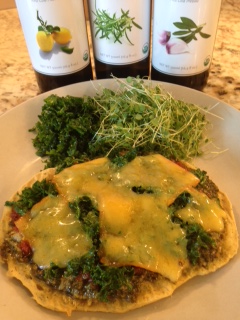
Kale (chopped fine and tossed with olive oil and salt) tomato bruschetta, and artichoke and basil pesto, with watercress sprouts kale artichoke pizza (right)

 caulf pizzaCurried cauliflower with mustard seeds and kale (roasted for dinner the night before), nutritional yeast and cheese; broccoli and watercress microgreens on the side.

olive pizzaKalamata olives, sundried tomato pesto, basil pesto, chopped kale (you may want to use chopped kale sautéed with olive oil and garlic), with watercress sprouts

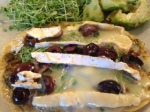
brie pizzaBrie with Kalamata olives, sundried tomato, artichoke and basil pesto, with watercress migrogreens

basil sprout pizza Basil and artichoke pesto,basil sprouts, tomato bruschetta, with broccoli spouts 

Some people eat to live and some live to eat; I say eat good food that makes you happy.  Deprivation is never a good thing and will not nourish the soul, just don’t forget the sprouts!

For more recipes: Cancer Fighting Farm-Stand Recipes

Some of my favorite anti-cancer toppings:

Tomatoes are a powerful anti-cancer fruit, particularly due the synergistic effects of lycopene, beta-carotene, vitamin C, phenols and other nutrients and antioxidants in the tomato working together to offer cancer protection

Basil has powerful anti-inflammatory and antioxidant properties. It contains flavonoids that help shield cell structures from radiation and oxidative damage. Both fresh basil and basil oil have strong antibacterial capabilities, so by adding the herb or oil to your salad, you can help ensure your vegetables are safe to eat.

Eggplant is rich in dietary fiber, loaded with vitamins and minerals, and contains powerful cancer fighting antioxidants such as chlorogenic acid, which fights free radicals and helps protect cells from mutating into cancer cells, and nasuin, which helps cut off the blood supply to cancer cells.

Rosemary is a powerful anti-cancer herb.  The two key ingredients in Rosemary-caffeic acid and rosemarinic acid-are potent antioxidant and anti-inflammatory agents, which help protect the body’s cells from damage by free radicals. Rich in carnosol, Rosemary has been found to detoxify substances that can initiate the breast-cancer process. It’s widely known that an imbalance of estrogen hormones in women can contribute to breast cancer. Rosemary stimulates liver enzymes which inactivate estrogen hormones. Rosemary, along with thyme, oregano, basil and mint promote apoptosis in cancer cells and reduce their speed by blocking the enzymes they need to invade neighboring tissues. Rosemary can inhibit the formation of HCAS, the carcinogenic compounds that form when you cook protein, by 75% (so use chopped rosemary in your marinade if you choose to grill proteins)

Oregano possesses anti-bacterial as well as anti-inflammatory properties, and encourages cell death making it a powerful anti-cancer herb; but what is really exciting is that may be particularly effective against prostate cancer and may even become part of the treatment for this cancer.   

Watercress is rich in  beta-carotene and other carotenoids including lutein, calcium as well as trace amounts of omega-3’s. Watercress also contains a high amount of PEITC (phenylethylisothiocyanate) which has been shown to protect DNA from damage. Studies show that a regular intake of watercress has been associated with protection against colon cancer

Red cabbage  not only contains isothiocyanates but  also contains anthocyanins, a class of flavonids that provides as many as 36 different varieties of anticancer chemicals. Cabbage also contains a significant amount of glutamine, an amino acid that has anti-inflammatory properties. Red Cabbage boosts the immune system’s ability to produce more antibodies. Red cabbage contains large quantities of sulfur and other minerals that work as cleansing agents for the digestive system. Raw red cabbage cleans the bowels, thus helping to prevent indigestion and constipation.

Artichokes contain three amazing anticancer properties (polyphenols, antioxidants such as vitamin C and flavonoids) that protect the body against free radicals, encourage apoptosis (cell death) and cell proliferation, which means they can which means they can slow down, stop, or even completely reverse the effects of cancer.

Crucifers (kale, broccoli, broccoli rabe, watercress, arugula, etc) have numerous anti-cancer, detoxifying benefits that help prevent toxic buildup and DNA damage. Crucifers promote healthy estrogen metabolism.

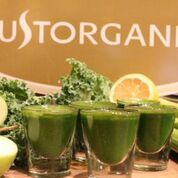
gust organics photoGustOrganics is the only 100% certified organic restaurant and bar in NYC. 519 Avenue of the Americas @ 14th street – New York, NY

Elyn

~~If you don’t know your options, you don’t have any~~
Elyn Jacobs is a breast cancer survivor, professional cancer strategist, speaker, and the Executive Director for the Emerald Heart Cancer Foundation. Elyn empowers women to choose the path for treatment that best fits their own individual needs. She is passionate about helping others move forward into a life of health and well-being. Elyn has been featured on CNN Money, Talk About Health, and Breast Cancer Answers, is a contributor to The Truth About Cancer, and has written for the Pink Paper, Breast Cancer Wellness, Integrative Oncology Essentials, Surviving Beautifully, Body Local and more; she writes the Options for Life column for the Natural Healing-Natural Wellness Magazine. Elyn hosts the Survive and Live Well Radio Show on the Cancer Support Network. She is on the Medical Advisory Board for BeatCancer.Org and is on the Advisory Board to the Radical Remission Project. Elyn lives in New York with her husband and two young boys. https://elynjacobs.com/about/

Tune in to the Survive and Live Well Show

Replay the Survive and Live Well Radio Show Archives

Read Elyn’s Blog

Follow Elyn on Facebook

Follow Survive and Live Well on Twitter

Follow Elyn on Linkedin

Breast Cancer Virus: Of Mice and Women

In Uncategorized on April 30, 2015 at 9:11 am

Unraveling the Mystery of the Breast Cancer Virus

Check Out Our Executive Summary on the Breast Cancer Virus!

By Vera Gruessner

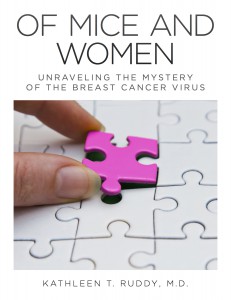
Dr. Kathleen T. Ruddy, Founder of the Breast Health and Healing Foundation and breast cancer surgeon, has released her executive summary that covers her soon-to-be-published book “Of Mice And Women:  Unraveling the Mystery of the Breast Cancer Virus.” The book will be published in June 2015 and you can access the executive summary through the Breast Health and Healing website by clicking here.

Please be sure to download the executive summary (which is completely free) and share it through all of your social networks! Let your friends and family know about this important book. Dr. Kathleen Ruddy has spent eight years writing and revising this book and is now in the final process of publishing the book in both paper and electronic formats. And the best part – the published, digital book will be completely free to the public!

Research on the breast cancer virus is vital in our search for methods to prevent this disease. A large part of human breast cancers, as much as 40 percent, have gene sequences similar to a retrovirus that causes breast cancer in mice. This retrovirus is called the mouse mammary tumor virus and the researchers Drs. Pogo, Etkind, and Melena have played a key role in advancing the study of the Pink Virus.

If cancer researchers can determine that a virus causes as much as 40 percent of human breast cancers, the scientific Of Mice and Womencommunity can work on developing a vaccine to prevent this disease in men and women across the globe. This would be a tremendous gain toward our goal of preventing breast cancer. It is time to once and for all determine whether the human mammary tumor virus causes breast cancer in women and work toward developing vaccines that can prevent the disease.

All donations that we gather from the release of the executive summary and the book will be used to fund the full-length documentary film, “A Pox On Us,” co-produced with Soap Box Media, whose profits from sale and distribution will be used to directly fund research on the breast cancer virus.

We want this executive summary and the upcoming book to spread like wildfire through the breast cancer community, but we need your help! Please share it on Facebook. Share it on Twitter. Share it on Google+. Share it on LinkedIn. Let your networks know about this revolutionizing work!

Taming the Tiger: A Simple Path to Releasing Fear of Cancer Recurrence

In Uncategorized on April 29, 2015 at 12:37 pm

Do You Worry About Cancer Recurrence?

Here is the link to the webinar during which Dr Shani Fox and I discussed why we need to manage fear, and the simple steps you can take to quickly and reliably defuses fear of cancer recurrence, so you can get back to enjoying your life.

As a survivor, you probably know the feeling.  As your followup blood test or CT scan approaches, you see yourself receiving news you dread.  You find yourself reactive and irritable, maybe even teary.  It’s hard to focus on anything or anyone else.

You’re not alone: fear of cancer recurrence is estimated to affect up to 70% of survivors.  But that doesn’t make it any easier to deal with, or help you recapture the sleep you may be losing.

And, it’s hard enough to walk around feeling fearful–but the problem is compounded because fear is really hard on your body. There’s now a large body of evidence that the biochemical changes triggered by persistent fear cause changes to cells and tissues that make them fertile ground for development of further disease, including cancer recurrence.

In other words, persistent fear of recurrence can contribute to the very thing you’re afraid of: cancer recurrence.

What if there was a quick, reliable way to transform that fear back to calm, so you can get back to enjoying each day?

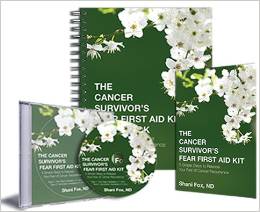
Dr. Shani is the rare medical professional who devotes her career exclusively to helping cancer survivors.  She helps cancer survivors get back on their feet after cancer treatment.  When she noticed that virtually all of her patients struggled with fear of cancer recurrence, she knew she had to do something about it. She created a simple, 5-step method that quickly and reliably defuses fear of cancer recurrence, so you can get back to enjoying your life.

Poet Mary Oliver said we each have “one wild and precious life”.  Don’t let fear of cancer recurrence keep you from living yours full-out.

Buy now: The Cancer Survivor’s Fear First Aid Kit

Check out what others have to say about Dr Shani’s Cancer Survivor’s Fear First Aid Kit:

I love this book! At my blog, WhereWeGoNow, I focus on the emotional fallout of living with cancer. Fear of recurrence is one of the blockbuster emotions we deal with as survivors. That’s why I’m grateful to Dr. Shani Fox for offering The Cancer Survivor’s Fear First Aid Kit.

Dr. Shani’s five simple steps are a breeze to follow – you’ll master them in no time. I think of them as shiny new tools in my emotional tool box, helping me take back some of the control I’ve lost to cancer. I’m sure you will too.

~Debbie Woodbury, WhereWeGoNow.com

Thank you for creating this first aid kit, Dr. Shani! It’s brilliant – concise, easy to understand and implement – and it works!

Fear of recurrence looms large for every cancer survivor I know, and this 5-step process will be helpful to many. Each step stands powerfully on its own. All together, they provide life skills for anyone dealing with fear of any kind. Practicing these 5 steps will be a balm to the heart and soul of any cancer survivor.

~ Barbara Musser, Founder and CEO, Sexy After Cancer

Dr. Shani recognizes the stress of living with a cancer diagnosis. As a naturopathic doctor, she offers a health-oriented perspective on issues such as stress and survivorship care. Her first aid kit is a practical and doable step-by-step guide for dealing with the fear associated with cancer.

~ Pat Wetzel, Founder, The AntiCancer Club

My wife is a two-time cancer survivor who had 28% odds of survival. She proved the prognosticators incorrect, but does she still undergo PTSD (post-traumatic stress disorder) prior to every check-up? Yes, each and every time! As her ongoing caregiver, I also stress about what each follow-up visit may reveal. After each positive report, we remind each other that we worried and needlessly created excess anxiety for ourselves.

The Cancer Survivor’s Fear First Aid Kit helped us place our worries in perspective and provided us with methods to significantly reduce our focus on issues over which we have little control. While we cannot dictate the future, Dr. Shani’s helpful book is making our travels over life’s bumpy roads more manageable.

I recommend this book not only for cancer survivors, but also for those that love them. As a caregiver, her advice has worked wonders for me.

~Rob Harris, author of We’re In This Together: A Caregiver’s Story and We’re In This Together: A Caregiver’s Guide

For cancer survivors, fear can unravel survivorship. Instead of cancer survivorship being a bright vista filled with hope and vision, it can instead become a dark cold cave of worry. The Cancer Survivor’s Fear First Aid Kit is the beacon out of this cave. The pragmatic and clinically-tested steps developed by Dr. Fox provide cancer survivors with what they need to restore the hope and happiness that they so rightly deserve. As a practicing naturopathic oncologist, I am grateful for this guide to recommend to my patients.

~Lise Alschuler, ND, FABNO, author of Definitive Guide to Thriving After Cancer

I have been a patient for 7 years. I am based in London and have an in depth knowledge of resources in the UK, and also support cancer survivors across the globe via social media. I have never seen anything like this kit before and am delighted to see a publication of this kind.

The “First Aid Kit” is delightfully easy to use, which is the joy of it. Anxiety is a massive problem for people affected by cancer, and anything that can help improve things in that area is incredibly positive for them.

Anxiety can be a very destructive emotion. I have personally seen that the fear of cancer can be as destructive as the cancer itself, so welcome your publication as a positive resource for patients. My grateful thanks!

~Chris Lewis, owner of Chris’s Cancer Community

This is a brilliant idea! My experience with thousands of survivors has certainly shown that fear raises its ugly head regardless of how courageous one is. As a survivor myself, this First Aid Kit provides wonderful direction. This is an easy resource a survivor could refer back to again and again.

~Judy Pearson, Cofounder, Women Survivors Alliance

first Aid ShaniBuy Now: The Cancer Survivor’s Fear First Aid Kit

Elyn

~~If you don’t know your options, you don’t have any~~

Dr Shani Fox–As a holistic physician healing people with cancer and deep-seated chronic conditions, Dr. Shani Fox noticed that people who have lost touch with their personal vision are never really well, while those committed to their values and vision can achieve extraordinary wellness, even from the midst of disease.  Now Dr. Shani inspires people to dream – and to reach for their dreams – as part of their healing journey.

Deeply moved by her father’s example of a life well-lived, Dr. Shani left a lucrative corporate position to fulfill her own dream of becoming a holistic physician.  Along the way she learned first-hand how wholehearted commitment to a dream calls forth breathtaking support from the Universe, leading to unexpected success.

Dr. Shani has made multiple TV and radio appearances, and is the producer and host of the live teleconference series “COURAGE AND GRACE: Stories of Remarkable Cancer Survivors.” She offers expert, individualized medical care and transformational coaching programs to help people achieve new levels of wellness, joy and fulfillment.

Elyn Jacobs is a breast cancer survivor, professional cancer strategist, speaker, and the Executive Director for the Emerald Heart Cancer Foundation. Elyn empowers women to choose the path for treatment that best fits their own individual needs. She is passionate about helping others move forward into a life of health and well-being. Elyn has been featured on CNN Money, Talk About Health, and Breast Cancer Answers and has written for the Pink Paper, Breast Cancer Wellness, Integrative Oncology Essentials, Surviving Beautifully, Body Local and more, and writes the Options for Life column for the Natural Healing-Natural Wellness Magazine. Elyn hosts the Survive and Live Well Radio Show on the Cancer Support Network. She is on the Medical Advisory Board for BeatCancer.Org and is on the Advisory Board to the Radical Remission Project. Elyn lives in New York with her husband and two young boys. https://elynjacobs.com/about/

Tune in to the Survive and Live Well Show

Replay the Survive and Live Well Radio Show Archives

Read Elyn’s Blog

Follow Elyn on Facebook

Follow Survive and Live Well on Twitter

Follow Elyn on Linkedin

Cannabidiol—Breakthrough in Cancer Treatment

In Uncategorized on March 30, 2015 at 12:19 pm

Many who are seeking a less toxic path for their cancer or other health problems turn to Cannabis. Scientists have reported that tetrahydrocannabinol (THC) and other cannabinoids such as Cannabidiol (CBD) slow growth and/or cause death in certain types of cancer cells growing in laboratory dishes. Some animal studies also suggest certain cannabinoids may slow growth and reduce spread of some forms of cancer. However, few states have fully legalized cannabis and while some have made it legal for medicinal purposes, there are many restrictions and limitations.

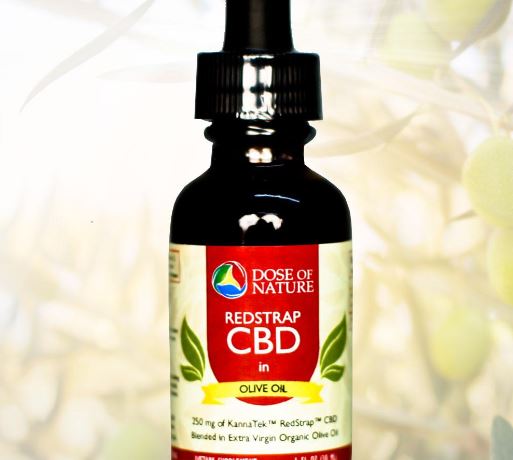
That said, the FDA considers hemp products that have legally-unsubstantial levels of THC (non-THC hemp based cannabinoids), including CBD, to be “food based” and therefore sale-able.  Cannabidiol (CBD), a natural constituent of the hemp plant derived from commercial hemp stalk and seed, is one of at least 85 active cannabinoids identified in cannabis. CBD is considered by some to have a wider scope of medical applications than THC, and people are finding it to be the answer in their search for legal cannabis.  While the debate of THC vs CBD is beyond the scope of this post, I am always looking to the power of nature to fix what ails us, so when Dose of Nature offered me a sample of their Redstrap CBD in exchange for a review, I thought, why not?

One of my clients, Joe, had been seriously considering moving to Georgia or Colorado in order to procure cannabis for his cancer (Georgia being preferred with its warmer climate), so I asked him to be my test-case and passed the sample along to him.  Joe has stage 3 colon cancer, and is treating it holistically. Joe also has an even bigger issue—advanced sarcoidosis.  Sarcoidosis is the growth of tiny collections of inflammatory cells in different parts of the body, most commonly the lungs, lymph nodes, eyes and skin, and has serious and life-threatening consequences.  In Joe’s case, they seem to congregate around his lungs, heart and kidneys.  While there is not a tremendous amount of research on Cannabidiol and Sarcoidosis, given that sarcoid is an autoimmune condition, in theory, CBD–with its anti-inflammatory and immune-modulating capabilities, should be effective for his sarcoidosis. While boosting the immune system is essential for his cancer, modulating that immune system is equally important given his autoimmune issue.

From Joe:

He reports that he started taking Redstrap CBD on March 8th. By day five, he started to feel a bit groggier at night and thus slept 3 hours, which is monumental for him. The next night he slept for 6 hours, and since then mostly four hours per night. He reports that overall, he does not feel much different, just that he sleeps better.  He still does not have much of an appetite, but his attitude has improved, even feels somewhat jovial! On March 20th he reported that his ACE/sarcoid marker was under 40, which is considered to be within normal range, and that his CEA had dropped from 1.3 to 1.1. He also reports that for the first time in 7 years, his WBC/WBC/LYMPH levels are rising.

At this point Joe is considered in remission for both the cancer and the sarcoid. Doctors are still concerned about inflammation, but are more watching than waiting.  Joe will continue with the Red Strap (as part of his protocol) and redo his marker tests on March 31st.  He will report in when he gets the results, so stay tuned for the update.

Update on Joe:

On 4/20 Joe reports that his sarcoid is not improving, but believes that given more time on the CBD, this may change.  He also reports that he has some extremely fast-growing (non-cancerous) polyps.  On the more positive side, his sleep continues to improve with a steady 5 hours a night. He is also in a far superior mood, more so even upon the last report.  His appetite is slowly coming back and his weight stable.  He has less pain, but no improvement in energy.  His blood pressure is fantastic, something that has been problematic for many years.  He reports that his quality of life is “off the charts” better than two months ago.

There you go.  Just remember that CBD is only one part of Joe’s protocol and that results are not the same for everyone.  However, Joe wishes to share that he would recommend this CBD to everyone, sick or not!

 CBD– the Cure for Cancer?

Is CBD the sole cure for cancer? Certainly not. But Cannabidiol has been at the forefront of the news lately in its application to treat pediatric epilepsy, autism, cancer, pain, PTSD, brain injuries, anxiety, and various neurological conditions.[i]  CBD is non-psychotropic, anti-inflammatory, helps alleviate insomnia, reduces the autonomic response to stress, and has the highest anti-cancer potency of all cannabinoids that have been tested. CBD has anti-proliferative effects against multiple cancer types; it also reduces neovascularization, cancer cell migration, adhesion, invasion and metastasization. [ii] However, like surgery, chemo and radiation, CBD may remove the presenting symptom of cancer—the tumor, but it will not resolve all of the reasons for your cancer.  (But unlike chemo and radiation, CBD is has low toxicity and is highly tolerable.) To be clear, CBD does address many of the reasons for cancer—inflammation, insomnia, stress, etc. But to cure cancer, you have to address all the root causes as well as the stem cells; cancer is a multifaceted dis-ease with many triggers. Chief among these causes, in addition to environmental toxins, are poor diet, nutritional deficiencies, subpar immunity, and chronic, unresolved stress, among others. And, no matter what treatment path you take, it does not end when someone declares you ‘cancer free’—you must maintain health to reduce the risk of recurrence or further cancer.  Nevertheless, as many with cancer would likely agree—removing the symptom while you are addressing the cause feels darn good. And because CBD does address many of the causes of cancer, it is most definitely worth consideration.

DON2So what is my opinion of Dose of Nature CBD? I like the ingredients, the science and technology; from all that I have read and researched, Dose of Nature seems to have an excellent product. For more information on CBD and Dose of Nature, please view this video.

This information is for educational purposes only. It is not intended to treat, cure, prevent or diagnose any diseases or conditions. These recommendations do not represent medical advice, and I encourage you to discuss this information with your integrative oncologist or naturopathic doctor.   It is always advisable to discuss the use of supplements with a naturopath, integrative or functional medical doctor before use, as often supplements may interact positively or negatively with other drugs. You are advised to check product information (including packaging inserts) for changes and new information regarding dosage, precautions, and contraindications before administering any drug, herb, supplement, compound, therapy, treatment and or preventative measure discussed herein. NOTHING CONTAINED ANYWHERE HEREIN IS OFFERED AS OR CONSTITUTES MEDICAL ADVICE.

For more information on CBD (Cannabidiol) and Health Conditions  http://www.doseofnature.com/library/

Resources:

http://www.iflscience.com/health-and-medicine/medical-marijuana-shows-promise-against-autoimmune-diseases

http://www.evenbetterhealth.com/symptoms_of_sarcoidosis.php

http://www.projectcbd.org/news/cbd-misconceptions/

http://www.ncbi.nlm.nih.gov/pmc/articles/PMC2748879/

http://phys.org/news/2010-12-marijuana-suppresses-immune-functions.html

Elyn

~~If you don’t know your options, you don’t have any~~
Elyn Jacobs is a breast cancer survivor, professional cancer strategist, speaker, and the Executive Director for the Emerald Heart Cancer Foundation. Elyn empowers women to choose the path for treatment that best fits their own individual needs. She is passionate about helping others move forward into a life of health and well-being. Elyn has been featured on CNN Money, Talk About Health, and Breast Cancer Answers and has written for the Pink Paper, Breast Cancer Wellness, Integrative Oncology Essentials, Surviving Beautifully, Body Local and more, and writes the Options for Life column for the Natural Healing-Natural Wellness Magazine. Elyn hosts the Survive and Live Well Radio Show on the Cancer Support Network. She is on the Medical Advisory Board for Beat Cancer.Org and is on the Advisory Board to the Radical Remission Project. Elyn lives in New York with her husband and two young boys. https://elynjacobs.com/about/

If you are interested in working with Elyn to navigate your way through cancer and regain your health, please sign up HERE.

Tune in to the Survive and Live Well Show

Replay the Survive and Live Well Radio Show Archives

Read Elyn’s Blog

Follow Elyn on Facebook

Follow Survive and Live Well on Twitter

Follow Elyn on Linkedin

[i] http://www.doseofnature.com/

[ii] http://www.johnhicksmd.com/cannabidiol

Top Seven Hashimoto Food Myths

In Uncategorized on March 5, 2015 at 5:27 pm

Ask anyone who has researched the anti-cancer diet and you will hear, “eat crucifers”. However, many people with Hashimoto’s or other thyroid issues are warned to avoid these and other foods.  Dr. Izabella Wentz, PharmD, FASCP, aka Your Thyroid Pharmacist, has some expert information to dispel some common myths on dietary restrictions.  If you have not yet read her amazing book, Hashimoto’s Thyroiditis: Lifestyle Interventions for Finding and Treating the Root Cause, you may want to pick up a copy.

Updated 3/04/2017 as many of Dr Wentz’s links no longer work, but hopefully you find the information helpful nonetheless.

Here is what Dr Wentz has to say:

Myth 1:  Goitrogens need to be avoided in Hashimoto’s, so I can’t eat broccoli. 

Truth: Those poor cruciferous vegetables! Delicious and healthy vegetables like cabbage, Brussels sprouts, broccoli, kale and cauliflower have gotten a bad rap due to some old nomenclature and outdated patterns in thyroid disease. Goitrogen is a word that was coined in the 1950’s to describe a substance that causes the formation of a goiter, also known as an enlarged thyroid gland. It’s a very deceiving word, and can mean a variety of different things for different substances, ranging from suppressing the release of thyroid hormone to changing the way thyroid hormone gets produced in the body to suppressing the absorption of iodine.

In relation to cruciferous vegetables, they have been identified as “goitrogenic” because they have the potential to block iodine absorption.

This was a concern in the 1950’s, as then, the primary reason for hypothyroidism was due to iodine deficiency, and any further changes in iodine levels were potentially problematic. However, since public efforts have been made to add iodine to the salt supplies of most industrialized countries, Hashimoto’s has become the primary reason for hypothyroidism, responsible for 90-97% of cases of hypothyroidism in the United States. Iodine deficiency is not wide spread in people with Hashimoto’s, and thus eating cruciferous vegetables (unless a person is otherwise sensitive to them) is perfectly healthy for people with Hashimoto’s and should not impact thyroid function. In the case that a person does have hypothyroidism due to iodine deficiency, he/she can still enjoy crucifers as long as they are cooked or fermented. Cooking/fermenting will break down the iodine blocking content.

There is one goitrogen that I do always recommend avoiding with Hashimoto’s, and that’s soy.

Myth 2: I do not need to get off gluten, tests said that I was not sensitive

Gluten is a substance found in wheat, barley and rye. Gluten is a staple of the Standard Western Diet, in America, Europe and Australia, and it is found in breads, cakes and pastries and most processed foods. People with Hashimoto’s are more likely to have Celiac disease compared to others, and getting off gluten helped some people dually diagnosed with Celiac and Hashimoto’s shed their Hashimoto’s diagnosis (antibodies went into remission, and thyroid function returned to normal). However, it’s not just Celiac disease.  My personal and clinical experience has shown that non-Celiac gluten sensitivity is one of the biggest triggers in Hashimoto’s.

Lab testing can be very helpful, especially if you get the right kind of testing, (I’ll be writing about my favorite food sensitivity lab test, soon) but unfortunately testing technology is not perfect. More often than not, false negatives can be seen for common reactive foods like gluten, dairy and soy. The best test for figuring out if you are sensitive to gluten is doing an elimination diet, when you avoid gluten for 2-3 weeks, then try it again to see if you react to it.

In surveying my clients, 90% of them felt better on a gluten-free diet. Only 10% were diagnosed with celiac disease. Going gluten free can help alleviate many symptoms associated with Hashimoto’s, such as fatigue, hair loss, bloating, constipation, diarrhea, pain, acid reflux, weight gain and many others, as well as can reduce the autoimmune attack on the thyroid gland.

Going gluten free is one of the first things I recommend with Hashimoto’s.

Myth 3: Almonds are a health food. I should eat them every day

In an effort to eat a healthier, nutrient dense diet, many people turn to almonds as a substitute to eating grains. This is because almonds are very tasty and quite versatile, they can be made into Paleo breads, used as a substitute for bread crumbs and can be eaten as snacks.

Unfortunately many people can be sensitive to almonds, and in fact, after gluten, dairy and soy, almonds are one of the top reactive foods for people with Hashimoto’s. I often see people develop new food sensitivities because they have not healed their guts (see Myth #7). You run a greater risk of becoming sensitive to almonds if you eat them over and over again, day after day. If you don’t react to them now, rotate them with other foods, eating them every 3-4 days.

Myth 4: The best source of Selenium is from eating Brazil nuts

Selenium deficiency has often been cited as a trigger for Hashimoto’s. Selenium is a required nutrient for proper thyroid function, and has been shown to reduce the autoimmune attack on the thyroid gland. However, this effect is dose responsive, and thus selenium is considered to be a narrow therapeutic index supplement. Studies have been done on the specific dose of Selenium needed to reduce thyroid antibodies. Doses below 200 mcg were not helpful for reducing thyroid antibodies, and doses >900 mcg per day were found to be toxic. Selenium content in Brazil nuts can vary ten-fold, depending on where the Brazil nuts were grown. This means that a Brazil nut can contain anywhere from 55 mcg to 550 mcg of Selenium. Unless your Brazil nuts were tested for Selenium content, you may be unknowingly overdosing or under-dosing yourself.   Also, many people with Hashimoto’s may be sensitive to nuts! Selenium methionine in supplement form, at a dose of 200 mcg has been clinically tested to show a 50% reduction in thyroid antibodies, over the course of three months. Some clinicians may recommend a dose as high as 400 mcg per day. I’ve had great results with Pure Encapsulations brand Selenium.

Myth 5: Raw dairy is fine for Hashimoto’s, it’s only the pasteurized dairy that’s problematic

Proponents of this myth rely on the information that pasteurization process changes the protein structure of dairy proteins, making them more reactive. However, if you’ve already been sensitized to the dairy proteins casein or whey from drinking conventional milk, consuming raw dairy, organic dairy, lactose free milk, or goat’s milk may still be a problem. Perhaps if you drank raw dairy your whole life, you may have not developed a sensitivity, but in general cow’s milk is difficult to digest for most adults with Hashimoto’s.  Goat’s milk is highly cross reactive as well for those with cow milk sensitivity. Camel milk, however, may be well tolerated by people with Hashimoto’s as the proteins are different enough not to cross react. Symptoms like nasal congestion, constipation, acid reflux, joint pain and thyroid antibodies can improve by going dairy free. Dairy was a huge trigger for me, now 60% of my clients report felt better on a dairy free diet as well!

Myth 6: Low carb eating is bad for people with thyroid issues 

Some people report feeling tired after starting a protein/fat heavy diet like the Paleo diet, but this is not always due to needing carbohydrates. In fact, some people with autoimmune disease and Hashimoto’s feel amazing on a ketogenic diet (a low carb diet where the body breaks down fats for fuel, instead of relying on carbohydrates). If you’re feeling tired on a diet that is mostly comprised of fats and proteins, this could be due to low stomach acid, which leads to improper protein digestion. Most people with Hashimoto’s have been found to have low stomach acid/no stomach acid, and this impairs our ability to digest protein foods. Improper protein digestion may make us tired because digestion takes a lot of energy, and people who are low in stomach acid may find themselves naturally gravitating towards carbohydrates for energy, as carbohydrates do not need as much digestive juice as proteins for proper digestion.

Increased intake of proteins coupled with a lack of carbohydrates may results in feeling more tired as a result of protein being a bigger burden, as well as we may have a harder time getting nutrients for energy from our foods. Try starting your day with a  green smoothie (to help along digestion, lowering the burden), increasing your veggie intake and taking the protein digestive enzyme Betaine with Pepsin, before you determine if low carb is a good choice for you or not. Many people have found that taking this supplement helped with fatigue. A guide on how to use Betaine with Pepsin can be found in my book.

Myth 7: Diet can heal everything: If I just take out more foods, I will be healed

While some people have had great success though changing their diets, even going into complete remission from Hashimoto’s, this is not always the case. Don’t get me wrong, eating a nutrient dense diet that is free of reactive foods can do wonders, and is one of the first things I recommend, but if you’ve been on a clean diet for 3 months and not seeing results or getting stuck, you likely have an unwanted guest living inside of you and causing inflammation within your gut.

This gut infection can stand in the way of you healing. Gut infections lead to intestinal permeability, one of the main triggers of Hashimoto’s.

Most infections require targeted treatments such as herbs, antibiotics, antifungals or antiprotozoal agents in order to be eradicated. Otherwise, the person can be sensitive to whatever foods he/or she is eating.

If you’re someone that’s plateaued in your healing, be sure to get tested for gut infections ASAP, so you don’t run the risk of losing more foods. The tests I recommend include the Bacterial Overgrowth Breath Test-Genova KIT for SIBO (small intestinal bacterial overgrowth), GI Effects Gastrointestinal Function Comprehensive Profile (One day collection)-METAMETRIX KIT for bacterial/fungal infections and the GI Pathogen Screen with H. pylori Antigen-BioHealth KIT for parasitic infections/H Pylori. You can view all of the tests I recommend HERE , and I cover them in greater detail in my book, Hashimoto’s Thyroiditis: Lifestyle Interventions for Finding and Treating the Root Cause.

The preceding information is from Dr. Izabella Wentz, PharmD, FASCP

If you are looking for more information on putting Hashimoto’s into remission, please consider purchasing a copy of Dr Wentz’s patient guide, Hashimoto’s Thyroiditis Lifestyle Interventions for Finding and Treating the Root Cause to help you figure out your underlying triggers.

She also has a website with additional resources for you, including a list of physicians.

If you are interested in working with  Dr. Izabella Wentz personally, please sign up here.
Lastly, you can connect with her though her community on Facebook .

I hope you have found this information helpful. Thank you Dr Wentz for sharing this information and for all that you do.

Elyn

~~If you don’t know your options, you don’t have any~~
Elyn Jacobs is a breast cancer survivor, professional cancer strategist, speaker, and the Executive Director for the Emerald Heart Cancer Foundation. Elyn empowers women to choose the path for treatment that best fits their own individual needs. She is passionate about helping others move forward into a life of health and well-being. Elyn has been featured on CNN Money, Talk About Health, and Breast Cancer Answers and has written for the Pink Paper, Breast Cancer Wellness, Integrative Oncology Essentials, Surviving Beautifully, Body Local and more, and writes the Options for Life column for the Natural Healing-Natural Wellness Magazine. Elyn hosts the Survive and Live Well Radio Show on the Cancer Support Network. She is on the Medical Advisory Board for Beat Cancer.Org and is on the Advisory Board to the Radical Remission Project. Elyn lives in New York with her husband and two young boys. https://elynjacobs.com/about/

If you are interested in working with Elyn to navigate your way through cancer and regain your health,  please sign up HERE.

Replay the Survive and Live Well Radio Show Archives

Follow Elyn on Facebook

Follow Survive and Live Well on Twitter

Follow Elyn on Linkedin
Is it Safe to Take Antioxidants and Other Natural Agents During Chemo and Radiation?

In Uncategorized on January 28, 2015 at 7:16 pm
Support for Before, During and Post Chemotherapy and Radiation Therapy, Part I

Is it safe to take antioxidants and other natural compounds during chemotherapy and radiation? While most oncologists would vehemently say no, actually many nutraceuticals synergistically interact to enhance treatment and diminish the side effects of these treatments. Although radiotherapy and chemo kill cancer cells, they lack specificity; they are unable to distinguish between cancer cells and normal cells. Therefore, these treatments cause significant damage to the body’s healthy tissue- much of which is permanent and can be life-threatening. However, the selective use of nutraceuticals–antioxidants and natural agents found in certain foods and supplements–can enhance the effectiveness of chemotherapy and radiation while minimizing damage to normal cells. Nutraceuticals also help to detoxify the body both during and post treatment (Part II), and target the cancer stem cells that not only survive most conventional treatments, but are responsible for recurrent and progressive disease.[i]

I frequently find myself answering the question, “what should I take before, during and post treatment”?   

Chemotherapy and radiation produce free radicals that can damage cellular DNA.  By damaging DNA, tumor cells die, a process known as apoptosis.  Antioxidants protect healthy cells from damage caused by chemotherapy and radiotherapy and the lingering free radicals they create. Cancer cells are not able to correct DNA damage as efficiently as normal cells, which is why chemo and radiation are able to kill cancer cells. I find it interesting that there is still so much controversy on this subject.  Brilliant researchers such as Dr Keith Block MD, Dr Mitch Gaynor MD, and Dr Brian Lawenda MD have been studying and reporting on this subject for years.  Even Big Pharma jumped on the wagon by creating an antioxidant drug by the name of Amifostine, which was touted as the ‘first selective-target and broad spectrum radioprotector”[ii]. I guess it is okay for Big Pharma to cash in but not our farmers. But I digress.

Yes, antioxidants and other natural agents are to be embraced. Blueberries, for example, are strong antioxidants, and pterostilbene, a stilbenoid chemically related to resveratrol and found in blueberries and grapes, helps suppress and repair damage from radiation therapy.  Common herbs such as mint, rosemary, and basil help prevent damage from radiation and have many anticancer benefits such as reducing inflammation and killing cancer cells. Ashwagandha reduces oxidative stress load and may help maintain a higher level of energy during treatment.  Aloe has beta-carotene combined with lignins that remove radiation from the body. Taken during chemotherapy, graviola helps prevent side-effects such as hair loss, nausea, joint pain, general malaise, and energy loss. Cats claw may help with cell damage caused by chemotherapy and radiation treatment by repairing DNA, and can also help prevent loss of white blood cells and immune cell damage caused by many chemotherapy drugs (a common side effect known as leukopenia). Patients taking cat’s claw in conjunction with chemotherapy and radiation also tend to have fewer side effects like hair loss, weight loss, nausea and secondary infections. Plus, cat’s claw can help prevent cells from mutating, and halt the spread of cancer.[iii] Numerous studies have found flaxseed to be protective during and post radiation and has other anticancer benefits.[iv] Quercitin, a bioflavonoid found in apples, red wine and onions, also enhances the radio-sensitivity of tumor cells. The list is endless.

rosemary

One of the other problems with radiation and chemo is the destruction of the immune system. The immune system, which plays a critical part in keeping a patient cancer free following therapy, can become severely damaged, increasing risk for recurrence or new cancers. Both chlorella and spirulina seem to counteract these effects and rebuild the immune system. Astragalus enhances the immune system during radiation and makes T-cells and natural killer cells work better. Medicinal mushrooms offer considerable support both to the immune system and as part of an overall anti-cancer strategy, and are widely used in Japan and China for immune support for those undergoing chemo and radiation.

Certain supplements also have the ability to sensitize cancer cells to the effects of the treatment thus helping the therapy to work better. Green tea, vitamin C, omega 3’s and curcumin, for example, can help boost the effects of radiation and chemotherapy.[v]

Now, about those stem cells…

Cancer cells that are rapidly dividing are most prone to the toxic effects of drugs. Unfortunately, cancers propagate through the growth of (non-proliferating) cancer stem cells, which are the tumor’s more defended cells that weather the assault of chemotherapy and radiation and not only live to fight another day, but lead to metastasis.  While there are no known cancer drugs that target stem cells, Metformin, a diabetes drug, as well as many substances in their natural form can target these cells. [vi]  Adding some high-powered foods and supplements that support treatment and target stem cells should be part of all conventional treatment plans. (For recommendations, please read Cancer Stem Cells—Could They be the Key to Metastasis?)

I frequently find myself answering the question, “what should I take before, during and post treatment? “ Below is a partial list of well-researched natural compounds that offer support when taken before, during and/or post treatment.  However, while nutrients and supplements can help prevent or repair some of the damage of chemo and radiation, choosing which supplements is something you definitely need to pursue under the guidance of a well-informed physician or other health care professional. Supplements, like drugs, may have adverse effects when taken together, so again, working with an integrative professional who knows which are appropriate, which work best together, and which work with your current medications is very important.  For example, while curcumin can enhance the efficacy of radiotherapy and most chemotherapies, it does interfere with some chemos. There is also some research suggesting that vitamin E in high doses could possibly interfere with radiation’s effectiveness.  Biotin may interfere with the absorption of some chemo drugs. That said, here are some suggestions to consider.  For more information and brand recommendations, please click here.

Natures Medicine Cabinet (For recommended sources, please visit my Shop/Supplement page)
  • Ashwagandha (stop 2 weeks prior to surgery)
  • Aloe
  • Astragalus
  • Berries, especially blueberries (and supplement pterostilbene; pterostilbene should not be taken with Salvestrols)
  • Carotenes (food, not supplemental)
  • Cats Claw (do not take for two weeks prior to or post-surgery)
  • Chlorella
  • Curcumin (boosts the efficacy of most chemo-therapies but does inhibit some)
  • Delphinidin (maquai berries)
  • Flaxseed
  • Graviola
  • Holy Basil
  • Green Vegetables
  • Kelp or other Iodine rich foods
  • Magnesium*
  • Medicinal Mushrooms
  • Milk Thistle
  • Mistletoe (Iscador)
  • Herbs such as mint, basil, rosemary and thyme
  • Omega 3’s
  • Probiotics (chemo and radiation are devastating to the inner bacterial environment)
  • Quercitin
  • Red cabbage and other crucifers
  • Resveratrol (do not take with Salvestrols)
  • Schisandra (do not take with Tamoxifen)
  • Selenium**
  • Vitamins C, D, A and E
  • Whey protein 

*Those receiving chemotherapy are at high risk of magnesium deficiency as they often suffer from vomiting and diarrhea, which can deplete magnesium levels.  Plus, several chemo drugs, such as cisplatin, lower magnesium levels.  Given that magnesium is needed for vitamin D synthesis, and vitamin D is critical for the prevention and treatment of cancer, a magnesium deficiency can hinder or prevent healing.

**Selenium enhances the effectiveness of chemo and radiation therapies while reducing the toxicity to normal cells. For example, selenium helps reduce the risk of heart damage from Adriamycin and toxicity to the kidneys and bone marrow suppression induced by Cisplatin. And according to Patrick Quillin, the mineral also helps “enhance the effectiveness of chemo, radiation, and hyperthermia while minimizing damage to the patient’s normal cells; thus making therapy more of a ‘selective toxin”. Radiation increases the risk of lymphedema. Selenium may also reduce your risk of lymphedema, which has been linked to oxidative cell damage. 

This information is for educational purposes only, and does not represent medical advice. This information is not intended to treat, cure, prevent or diagnose any diseases or conditions. I encourage you to discuss this information with your integrative oncologist or naturopathic doctor. Supplements are intended to supplement a healthy diet–they are not a replacement, and may contain additional ingredients. It is always advisable to discuss the use of supplements as well as nutritional support with a naturopathic, integrative or functional medical doctor before use, as often supplements may interact positively or negatively with other drugs.

Resources and more information:

Do Nutrients Interfere with Chemo or Radiation Therapy?

https://elynjacobs.com/shop/ (Information and brand recommendations)

http://lifeovercancerblog.typepad.com/life-over-cancer-blog/2013/10/resveratrol-and-radiation-.html

http://lifeovercancerblog.typepad.com/life-over-cancer-blog/2011/07/using-supplements-during-radiation-treatments-is-there-a-problem.html

http://www.integrativeoncology-essentials.com/2013/03/hey-doc-can-i-take-antioxidants-during-chemo-and-radiation/

High Doses of Antioxidants Including Vitamin C Do Not Decrease the Efficacy of Chemotherapy 

Antioxidants May Aid Chemotherapy Patients

Do Nutrients Interfere with Chemo or Radiation Therapy? 

Elyn

~~If you don’t know your options, you don’t have any~~
Elyn Jacobs is a breast cancer survivor, professional cancer strategist, speaker, and the Executive Director for the Emerald Heart Cancer Foundation. Elyn empowers women to choose the path for treatment that best fits their own individual needs. She is passionate about helping others move forward into a life of health and well-being. Elyn has been featured on CNN Money, Talk About Health, and Breast Cancer Answers and has written for the Pink Paper, Breast Cancer Wellness, Integrative Oncology Essentials, Surviving Beautifully, Body Local and more, and writes the Options for Life column for the Natural Healing-Natural Wellness Magazine. Elyn hosts the Survive and Live Well Radio Show on the Cancer Support Network. She is on the Medical Advisory Board for Beat Cancer.Org and is on the Advisory Board to the Radical Remission Project. Elyn lives in New York with her husband and two young boys. https://elynjacobs.com/about/

Replay the Survive and Live Well Radio Show Archives

Follow Elyn on Facebook

Follow Survive and Live Well on Twitter

Follow Elyn on Linkedin

 [i] https://elynjacobs.com/2015/01/09/cancer-stem-cells-could-they-be-the-key-to-metastasis/

[ii] http://theoncologist.alphamedpress.org/content/12/6/738.long

[iii] http://www.rain-tree.com/catclaw.htm#.VMZXFCvF98E

[iv] https://elynjacobs.com/2014/06/23/demystifying-flaxseed-and-estrogen/

[v] http://lifeovercancerblog.typepad.com/life-over-cancer-blog/2011/07/using-supplements-during-radiation-treatments-is-there-a-problem.html

[vi] https://elynjacobs.com/2015/01/09/cancer-stem-cells-could-they-be-the-key-to-metastasis/

Cancer Stem Cells—Could They Be the Key to Metastasis?

In Uncategorized on January 9, 2015 at 8:36 am

Cancer Stem Cells–a missing link in the war against cancer. Cancer stem cells (CSCs) are at the center of a theory that seeks to explain why cancer can sometimes return, despite apparently effective treatment.  Cancer stem cells not only survive most conventional treatments, but are often responsible for recurrent and progressive disease.

Research has shown that cancer cells are not all the same. The stem cell theory proposes that among all cancerous cells, a few act as stem cells that reproduce themselves and sustain the cancer, much like normal stem cells normally renew and sustain our organs and tissues. Cancer stems cells have been found in many types of tumors, including leukemia, myeloma, breast, prostate, colon, brain, lung and other cancers.  Cancer cells that are not stem cells can initiate cancer, but they cannot metastasize. CSCs have the ability to regenerate the primary tumor, and to move to other sites in the body causing metastasis. Unlike early stage primary tumors, metastasis is the primary cause of death in most cancer patients.  

The majority of cancer drugs, while killing the bulk of tumor cells, ultimately fail to work long-term.  Cancer stem cells don’t actively renew themselves through cell division like other cancer cells do, so existing treatments that target cancerous cells (like radiotherapy and chemotherapy) aren’t effective against these cells. What normally occurs is that the treatment selectively kills the less harmful populations of cells, the non-stem cells, increasing the ratio of CSCs to benign and/or less malignant cells which have or develop resistance to the agent, enabling them to come back even stronger with time. According to Dr Tony Jimenez, in each 1 cubic cm of a tumor there are one billion cancer cells, but 99% of those cells are non-stem cells; it is the 1% of the cells that are CSCs that are resistant to treatment, and which are more active and dangerous.  So just because you get an 80% reduction in tumor bulk, you are not targeting the most dangerous of the cells, the cells that are immortal and are strengthened by chemo and radiation–these therapies actually stimulate CSC’s. The reality is that the chemotherapy, even though it can reduce tumor volume, can actually make cancer more malignant.[i] 

As written by Sayer Ji, Founder of www.GreenMedInfo, a study titled,” Vitamin D compounds reduce mammosphere formation and decrease expression of putative stem cell markers in breast cancer,” brings to the forefront the role of breast cancer stem cells (BSCs) in breast tumor formation and their progression towards malignancy and treatment resistance. For many decades it was assumed that cancer results from DNA-damaged cells succumbing to fundamentally chaotic processes ‘going rogue’ and reproducing clonally (making identical copies of one another), without an acknowledgment of the different types of cells that comprise tumors. The most salient difference is between the cancer stem cells (sometimes referred to as ‘mother’ cells) which are capable of theoretically infinite self-renewal and produce all the differentiated ‘daughter’ cells in a tumor colony, which themselves are not capable of living indefinitely. It is actually the existence of the much smaller number of cancer stem cells which causes cancer recurrence, as they are not only resistant to conventional chemotherapy and radiation, but their Therefore, any cancer therapy that ignores the cancer stem cell subpopulation in favor of killing the non-tumorigenic daughter cells in order to ‘debulk’ the tumor (i.e. shrink it), will not result in destroying the root of the cancer. To the contrary, it can generate the illusion of ‘remission’ while in fact making the remaining tumor colony far more malignant, setting up the conditions for aggressive recurrence years later.” [ii]

And by the Stanford School of Medicine, Ludwig Center….

The idea that cancer is primarily driven by a smaller population of stem cells has important implications.  For instance, many new anti-cancer therapies are evaluated based on their ability to shrink tumors, but if the therapies are not killing the cancer stem cells, the tumor will soon grow back (often with a vexing resistance to the previously used therapy). Another important implication is that it is the cancer stem cells that give rise to metastases and can also act as a reservoir of cancer cells that may cause a relapse after surgery, radiation or chemotherapy has eliminated all observable signs of a cancer.  [iii]

Targeting Cancer Stem Cells

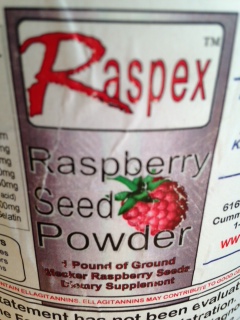
raspberrySo to prevent relapse and metastases, it’s essential that we address the stem cells.   According to Dr Tony Jimenez, Director of Hope4Cancer, while our powerful immune system (if fully functioning) is often able to seek and eliminate cancer cells, CSCs have a protein surrounding them that hides these cells from our immune system.  However, natural compounds such as the ellagic acid in red and black raspberries help de-cloak the cancer stem cells of the protein they that hides them from our immune system[iv] (you want the ellagitannins from berries, not the supplement ellagic acid). These berries have many anti-mutagenic and anti-carcinogenic properties. Raspberry phytonutrients help lower oxidative stress, reduce inflammation and encourage apoptosis. Black raspberries are  noted for their extremely high ORAC value and provide a good source of Vitamin A, and provide an excellent source of the flavonoid rutin – a phenolic compound which metabolizes into quercetin. Both red and black raspberries inhibit the growth of oral, breast, colon, and prostate tumor cell lines. While eating a cup of freshly  picked raspberries or black raspberries might not be feasible, there are pure-food supplements like Freeze Dried Black Raspberry Powder and Raspex Raspberry Seed Powder / One Pound Jar) that are easy to find and delicious as well.

black rasp

Other natural substances that are highly effective against CSCs are Curcumin (turmeric)[v], sulforaphane[vi] (broccoli sprouts are especially good), quercetin (apples, onions, red grapes and red wine), green tea, resveratrol, genistein (fermented soy) and black pepper.  Eat these foods daily and in substantial amounts to get the most benefit; take them together for the power of synergy. You can also take the drug Metformin, which is an inexpensive off-label drug that has many anticancer properties, including targeting cancer stem cells (see multiple references below, but also consider berberine). And don’t forget to get some sun! As mentioned in the Vitamin D study above, vitamin D may target cancer stem cells as well. Of note is that these substances which target stem cells do so without harming healthy cells and which have other anti-cancer properties. Conventional treatments poison both the unhealthy and healthy cells, often resulting in the patient dying from the treatment, not actually the disease.

Substances Known to Target Cancer Stem Cells:

  • Curcumin
  • Broccoli
  • Black cumin seed
  • Red and black raspberries and to a lesser extent, strawberries
  • Apples, onions and red wine
  • Green tea
  • Resveratrol
  • Pterostilbene (found in organic blueberries and grapes)
  • Ginger
  • Myrrh
  • Fermented Soy
  • Olive oil
  • Licorice root
  • Black pepper
  • Turkey Tail mushroom
  • Metformin (or in a more natural form, berberine)
  • Propolis
  • Aswaganda
  • Aspirin (with caution)
  • Sunshine (vitamin D3)

Are targeting cancer stem cells the cure for cancer? No, of course not. But they are an important piece of the puzzle. You still want to implement a protocol that meets your needs and change the overall cancer environment:

  • Build the immune system via stress reduction,moderate exercise and yes, daily hugs
  • Exercise daily
  • Detox your liver and your life (toss out toxic cleaning and personal care products)
  • Maximize nutrition with whole foods and targeted supplements
  • Get daily sunlight and consider Vitamin D3 supplementation along with K2 and A 
  • Eliminate processed, refined foods which contain refined sugars and carbohydrates and processed Omega 6’s; Eliminate hydrogenated fats
  • Drink water free of chlorine, fluoride and other chemicals
  • Eat whole foods that are not genetically modified and use organic foods as much as possible
  • Avoid goods containing artificial sweeteners, preservatives, pesticides and other chemicals
  • Reduce stress and identify and heal the ‘emotional terrain’ which may be contributing to your dis-ease

[ii] http://www.greenmedinfo.com/blog/sunlight-holds-key-killing-breast-cancer-3

[iii] http://ludwigcenter.stanford.edu/overview/theory.html

[v] http://www.anticancerbook.com/post/Turmeric-and-black-pepper-fight-cancer-stem-cells.html ; Kakarala, M., et al., Targeting breast stem cells with the cancer preventive compounds curcumin and piperine. Breast Cancer Research & Treatment, 2009

[vi] http://nutritionfacts.org/video/broccoli-versus-breast-cancer-stem-cells/http://nutritionfacts.org/video/sulforaphane-from-broccoli-to-breast/

[vii] http://jonbarron.org/article/truth-about-ellagic-acid-and-red-raspberries#.VKHrV14AGA

Resources and Further Information:

See also: What Your Oncologist Neglected to Tell You About Conventional Cancer Treatment

View:Cancer Stem Cells and Progression of Disease: What You Need to Know Now with Guest Dr Michael Schachter

http://www.ncbi.nlm.nih.gov/pmc/articles/PMC2885609/

rel=”nofollow”http://www.greenmedinfo.com/blog/are-cancer-stem-cells-key-discovering-cure

http://www.greenmedinfo.com/blog/does-chemo-radiation-actually-make-cancer-more-malignant

Ginger and Cancer Stem Cells

http://planet.infowars.com/uncategorized/conventional-cancer-treatments-dismal-record

http://www.greenmedinfo.com/disease/breast-cancer-stem-cells

http://www.greenmedinfo.com/blog/research-plants-cure-cancer-not-chemicals

http://www.greenmedinfo.com/blog/research-radiotherapy-causes-cancer-blueberry-kills-it?page=2

http://tv.greenmedinfo.com/broccoli-kills-the-stem-cells-feeding-cancer-tumors/

http://berryhealth.fst.oregonstate.edu/health_healing/fact_sheets/black_raspberry_facts.htm

http://www.greenmedinfo.com/blog/turmeric-extract-strikes-root-cause-cancer-malignancy

http://www.integrativeoncology-essentials.com/2011/08/amazing-anti-cancer-compound-derived-from-the-french-lilac-galega-officianalis-metformin/

Elyn

~~If you don’t know your options, you don’t have any~~
Elyn Jacobs is a breast cancer survivor, professional cancer strategist, speaker, and the Executive Director for the Emerald Heart Cancer Foundation. Elyn empowers women to choose the path for treatment that best fits their own individual needs. She is passionate about helping others move forward into a life of health and well-being. Elyn has been featured on CNN Money, Talk About Health, and Breast Cancer Answers and has written for the Pink Paper, Breast Cancer Wellness, Integrative Oncology Essentials, Surviving Beautifully, Body Local and more, and writes the Options for Life column for the Natural Healing-Natural Wellness Magazine. Elyn hosts the Survive and Live Well Radio Show on the Cancer Support Network. She is on the Medical Advisory Board for BeatCancer.Org and is on the Advisory Board to the Radical Remission Project. Elyn lives in New York with her husband and two young boys. https://elynjacobs.com/about/

Affiliate Links Disclosure:

Some product links on some posts are affiliate links. This website is monetized in part through the use of affiliate links. This means that if you were to click on a link that is an affiliate link, and purchase an item after clicking on that link, I may receive a small percentage of the sales price. I only recommend products that I love and use often. Thank you for your support!

Replay the Survive and Live Well Radio Show Archives

Read Elyn’s Blog

Follow Elyn on Facebook

Follow Survive and Live Well on Twitter

Follow Elyn on Linkedin
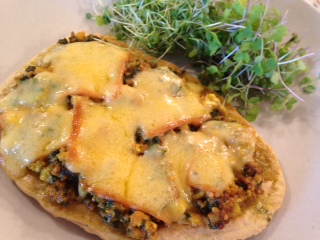
True Role of Integrative Medicine in Cancer Treatment: Free Live Forum

In Uncategorized on January 3, 2015 at 12:12 pm

A special event, sponsored by the Functional Forum,  is occurring this Monday evening (Jan 5 2014) at 8 PM Eastern Standard Time and it will be a streaming event that you can see online if you register for it. (This post has been updated–if you missed the Forum, see the link below).

When someone is diagnosed with cancer, most of the options people are giving are purely allopathic. Any solutions that are Functional, Preventative, or Holistic often get put on the back burner if they are even considered at all.

This Functional Forum will discuss the TRUE role of integrative medicine in cancer treatment, and how it is an essential part of the conversation if we are going to really make a dent in the cancer epidemic. You will hear Dr Michael Schachter, Dr Nicholas Gonzalez, Sayer Ji, Founder of http://www.GreenMedInfo.com, and Dr Joel Evans discuss the failure of conventional oncology and how you can beat the odds.                                                                       

Dr. Schachter will discuss his views on the prevention and treatment of cancer at the Schachter Center. He starts by questioning some of the strategies of conventional oncology, including radiation for breast cancer. He then attempts to answer the questions as to what causes cancer and why we have such an epidemic of it at the present time.

He cites the research of Otto Warburg as to the nature of cancer and the work of Brian Peskin as it relates to the epidemic. This discussion leads to recommendations made to patients at the Center.

Next he discusses how the enzyme CYP1B1 appears in cancer cells (and not normal cells) and how the natural substances called salvestrols may be used to help prevent cancer and manage cancer patients. These salvestrols react with the CYP1B1 enzyme to form metabolites that stimulate programmed cell death in cancer cells.

Other strategies used at the Schachter Center, such as the recommendations of fat soluble vitamins D, A and K2  and glycobiology will be discussed during the panel if time permits.

Free Live Webstream: Jan 5th @ 8pm EST; Click Here To Register; Can’t watch live? Register and we will send you the replay!

Updated 1/10/2015: If you missed this Webinar, here is the replay

James Maskell

CEO and Founder: Revive Primary Care

Host: Functional Forum and #EvoMed Summit

Hope to see you all there!

Elyn

~~If you don’t know your options, you don’t have any~~
Elyn Jacobs is a breast cancer survivor, professional cancer strategist, speaker, and the Executive Director for the Emerald Heart Cancer Foundation. Elyn empowers women to choose the path for treatment that best fits their own individual needs. She is passionate about helping others move forward into a life of health and well-being. Elyn has been featured on CNN Money, Talk About Health, and Breast Cancer Answers and has written for the Pink Paper, Breast Cancer Wellness, Integrative Oncology Essentials, Surviving Beautifully, Body Local and more, and writes the Options for Life column for the Natural Healing-Natural Wellness Magazine. Elyn hosts the Survive and Live Well Radio Show on the Cancer Support Network. She is on the Medical Advisory Board for BeatCancer.Org and is on the Advisory Board to the Radical Remission Project. Elyn lives in New York with her husband and two young boys. https://elynjacobs.com/about/

Tune in to the Survive and Live Well Show

Replay the Survive and Live Well Radio Show Archives

Read Elyn’s Blog

Follow Elyn on Facebook

Follow Survive and Live Well on Twitter

Follow Elyn on Linkedin
Best Steps for Vital Health in 2015

In Uncategorized on January 2, 2015 at 9:18 am

7 Genechanger Resolutions for Body, Mind, and Soul

The following is reprinted with the permission of Dr Mitch Gaynor.  I hope these tips help you attain blessed wellness throughout this and every year.

Best Steps for Vital Health in 2015, by Dr Mitch Gaynor

gaynor GTPThe Gene Therapy Plan: Taking Control of Your Genetic Destiny with Diet and Lifestyle (Available April 2015-Preorder Now)

So here we are in a brand new year, one, I hope, that will bring you vibrancy and joy and a renewed commitment to your health. When you’re strong, everyone around you benefits. When you’re joyful, everyone nearby wants to respond in kind. I’ve always marveled at how a simple smile can change the mood of those around us. I’ve seen a smile switch the energy in hospitals, and I’ve seen that happen every time I greet one of my patients. Nothing is so dire that a smile, or a friendly hello, won’t redirect.

Here in our brand new year, the Genechanger approach to health is particularly viable. Genechanger modalities – healthy food, being present, exercise, positive attitude, toxic-free environments, nutrients, and gratitude – not only increase health for you, but for those around you. Their benefits also work far into the future, for your children and future generations, because they directly modify your DNA for the better.

In this first newsletter of 2015, I’ve broken down epigenetic steps to better health in 7 simple categories. Think of them as resolutions for the body, mind, and soul. If you can do them every day, you’ll have maximum success. If you waver from time to time, please don’t worry about it. We want to decrease stress, not add it.

So, welcome to a brand new year and the simple ways that you can change your future to one of health and poise. Please remember: Destiny is not fixed, the body is not static, and it’s never too late to bring back balance. Happy 2015 to you and yours!

Best 7 Genechanger Tips for Health Throughout 2015Even if you don’t practice all of these suggestions every single day, remember that incorporating them  – even for a few minutes or on most days – builds up the habit of doing them, which, in turn, makes their practice easier.  Practicing also enhances your sense of self-esteem and self-care.1. Being Positive

In my work as an oncologist for more than 30 years, I have incorporated meditation and sounds (mantras, guided meditation, Tibetan singing bowls, crystal sonic therapy) to enhance the health of my patients.  As scientific research reveals time and time again, a mind that is calm has less chance of being disposed to disease and helps lessen disease that might already be present.  I encourage my patients to meditate and to pray, whatever is most comfortable for them.

In The News

One recent reminder of the efficacy of positive thinking came on NBC’s “Evening News with Brian Williams” a few days before Christmas. Two consecutive nights included segments about the impact of prayer on the brain. Andrew Newberg of Thomas Jefferson University Hospital in Philadelphia, and his research team documented that contemplating a loving God reduces stress and that intense prayer and meditation can permanently alter functions and structures in the brain, including increased activity in the brain’s frontal lobes, home to consciousness and decision making. (Newberg is also author of “How God Changes the Brain.”)

A recent study from the University of California looked at the effects of meditation on the same person using two different techniques and found that there were “strong correlations between depth of meditation and neural activity in the left inferior forebrain.”  We can’t claim definitively that positive thoughts cure disease, or that negative thoughts cause disease, but we can say that positive thoughts, prayer, and meditation release neurotransmitters like serotonin (which decreases stress) and enhance brain function which, in turn, augments better health.

2. Best Fresh Foods

I can’t say it enough: Eat healthy food because, in fact, you are what you eat.  The choice for natural organic foods, especially fruits and vegetables that are free of preservatives, artificial coloring, and hundreds of other chemicals, assures that you are feeding your body with the healthiest nutrition available and avoiding environmental toxins like pesticides and man-made preservatives.  Please skip the boxed, canned, and plastic-sealed foods. Keep salt, trans-fats, fast foods, saturated fats, white sugar, artificial chemical sweeteners, and refined grains to an absolute minimum. Avoid meats that have been fried and breaded.  Eat more salmon and grilled chicken.  If this means you must shop every couple of days, plan to do that.

Foods And Genes

Nutritional genomics analyzes the effects of foods on the genes. I have been studying and practicing the application of better nutrition for my patients throughout my career and seen verifiable, positive, medical effects for patients who change their diets and lifestyles.  Like other good habits, you’ll learn to shop more frequently for fresh food, and, most likely, you’ll wind up with fewer items at checkout.  You will avoid those “impulse” items that offer a quick fix, but can also help promote chronic conditions like diabetes, heart disease, and cancer.

BBC News recently reported that eating seven or more portions of fruit and vegetables each day is even healthier than the recommended five portions per day. Researchers from the University College London confirmed better health benefits through an analysis of 65,226 men and women in surveys conducted over seven years.

Juicing

Juicing is one of my top recommendations to patients simply because it’s fast, easy, and provides a sure way to consume several recommended portions in one morning drink.  In my new book, “The Gene Therapy Plan: Taking Control of Your Genetic Destiny with Diet and Lifestyle,” due in April from Viking, you’ll find many recipes that focus on the healthiest foods for our bodies, including an abundance of easy juicing recipes to kick-start your day.  One piece of good news:  According to researchers at the University of North Carolina, purchase of ready-to-eat, grain-based desserts (pies, cakes, cookies) decreased by 24% between 2005 and 2012.

3. Best Nutrients Personalized for You

Many of my patients are stunned the first time I hand them a few pages circled with my recommended nutrients and supplements for their particular stage of recovery from cancer.  There are a total of 10 pages of such supplements from which I choose for each patient – everything from chaga mushrooms, curcumin, and turmeric to B-4, lycopene, and blackseed cumin. Most patients are taking less than 20 daily supplements.  But the moral here is that while nutrients and supplements are definitely a boon to building up the immune system, reducing inflammation, turning on tumor suppressant genes, etc. – choosing which supplements is something you definitely need to pursue under the guidance of a well informed physician or other health care professional.

Research Confirms

Just two research examples of their efficacy: Vitamin D, selenium, and calcium have demonstrated effectiveness in reducing colectoral and breast cancer as reported in the “European Journal of Cancer.” Another study confirmed the effectiveness of dietary components that targeted breast cancer and its prevention.

Supplements, like drugs, may have adverse effects when taken together, and only a nutritional professional knows which are appropriate, which work best together, and which work with your current medications. We have a number of blogs on the genechanger website about the efficacy of various nutrients.  What’s most important is that you take supplements as recommended for your particular set of medical needs.  Just going out and buying the latest thing you heard about on TV is not healthy.

4. Body Care Through Exercise

Every single one of us, I’d venture to say, already knows that frequent exercise is good for us.  We know that regular exercise helps us lose weight, combat disease, boost our energy, and uplift our mood.   According to the Mayo Clinic, exercise can also boost sexual energy, promote better sleep, and provide some fun.  From an epigenetic point of view, there are direct benefits to our genes, as well.  That means the positive effects of exercise are long standing, for ourselves and for our future offspring.  According to the CDC, less than 50% of American adults use aerobic exercise, only 24% participate in muscle-strengthening activity, and a very disappointing 20% meet guidelines for participating in both.

Exercise Your Brain

What we know from the genechanger perspective:  According to research cited by the Mayo Clinic, for instance, there is solid scientific evidence to support the use of DHEA, a brain hormone that leads to the production of androgens and estrogens, to increase bone density, another good case for supplementing your exercise when appropriate.

There’s also a study from the Harvard School of Public Health just released in December that found that for older people, adding weight training to your exercise routine is the key to losing belly fat. Their study reviewed habits of more than 10,000 men over the age of 40 between 1996 and 2008.  Conclusion:  Aerobics can take off the pounds, and weight training can take off the inches.

Be Consistent

The best exercise, of course, is done several times a week, if not every day.  You must pace yourself, check with your physician if you have any chronic diseases, and evidence, anecdotal and scientific, supports the idea of exercising with another, or at least in a gym setting, to keep you motivated.

I recommend 20-30 minutes a day of weight-bearing exercises (walking is probably the easiest to pull off) at least five days a week.

5. Beautiful Toxic-Free Environments

The environment I want to talk about is not just the sky, ocean, lakes, rivers, and forests that we must do all we can to protect for future generations.  In addition to having fewer toxins in our exterior environment, we need to focus on how to create toxic-free environments, particularly in our homes. Entire books have been written about the dangers of environmental toxins, including my own, “Nurture Nature Nurture Health: Your Health and the Environment.”

Unseen, these toxins are ubiquitous and buried in the chemicals that dye upholstery, drapes, carpets, pillows, bedding, and bath products.  They’re in our microwaves and televisions. Harmful toxins also account for how furniture is manufactured and line the cans that hold food products.  They’re likely to be in baby bottles. PVC, the third most widely produced synthetic plastic polymer, is everywhere – plastic containers, plastic wrap, your credit cards, etc. PVC is a plastic that makes us think it is the only way to store (and heaven forbid) heat food.  It is not.

Avoid Plastic

Do not use plastic in microwaves. A Dartmouth study found that when heating plastic wrap with olive oil in a microwave, the concentration of xenoestrogens (cancer-producing estrogens that act like natural estrogens) was 500,000 times greater than the minimum amount of estrogen required to produce cancer cells in a test tube.

Briefly, be mindful of the following:

  • Look for the American National Standards Institute (ANSI) label for low-emitting formaldehyde furnishings.
  • Choose all wood products.
  • Chose carpeting made fro jute, cotton or wool.
  • Dry clean textiles as infrequently as possible.
  • Never use plastic wrap, plastic containers in a microwave. [okay so maybe skip the micro when at all possible]
  • Use non-chlorine bleach.
  • Make sure there is no lead paint in your home.
  • Read labels on cosmetics and skin care labels to avoid excessive chemicals.
  • Have your home tested by a certified hygienist for the presence of VOCs (volatile organic compounds), carbon dioxide, and asbestos.

There are hundreds, if not thousands, of ways that chemicals pervade our environment, including our homes and offices.  Just be mindful that toxic chemicals have been linked to almost every kind of cancer, emphysema, COPD, heart disease, children’s asthma, ADHD, the list goes on.  Each of us can use our time in stores to say no to those products that rely on chemicals to preserve, color, or manufacture.

6. Being Present

In recent years, the mindfulness movement has become almost as popular as yoga in this country.  Both are Eastern-sourced techniques that restore the mind and body to its natural state of being.  In America, meditation’s benefits have been adapted for Western practitioners. More than 700 hospitals in America, alone, have staffs that have been formally trained in Mindfulness-Based Stress Reduction (MBSR), which originated with Jon Kabat-Zinn.

Be Where You Are

A simple way to think of mindfulness is being present.  Hundreds of studies have confirmed that being present helps reduce stress, contribute to healthier relationships, aid self-regulation, decrease stress and aggressive behaviors, help alleviate depression, lower blood pressure, and more.  Sharon Salzberg is one of this country’s earliest teachers of mindfulness meditation.  She, along with Joseph Goldstein and Jack Kornfield, are credited with bringing mindfulness practice to the west more than 30 years ago.  Salzberg says, “Mindfulness meditation quiets the mind and refines our awareness so we can directly experience the truth of our lives with a minimum of distraction and obscuration. Simplicity, stillness and attention are its qualities.”

Every Day

Try each day to simply stop, bring your mind to the present, and take a deep breath and experience the peace that is naturally a part of us.  Most of us are mind-occupied in two other dimensions – the past, which has already happened and irretrievable, and the future, which has not yet manifested.  Being in the present means you are fully in your life right now, right here.  You’ll find peace, and not stress, if you are truly in the present moment.

7. Being Appreciative (in every situation)

No matter what is happening, bless it.  The surest way out of anger, disappointment, resentment, and any other negative emotion, is to accept the situation for exactly as it is.  My patients always ask me, “Why?  Why did I get cancer?  I don’t understand.”  I tell them, we would use our time better to treat their reality and ensure a healthy and long future by, first, accepting what the truth is.  “You may have cancer, but that does not mean a death sentence – or – that you caused it,” I tell them. Ancient masters of every faith have told us that once we can accept and let go of what we think the reality should be, the closer, in fact, we come to our true nature.

Our true nature is naturally one of harmony.  The spirit within, I believe, is stronger than material events – in our lives or in our bodies. When we tap acceptance, we let go of resentment. When we let go of resentment, we find our true nature.  And when we find our true nature, we find beauty, peace and harmony.

The next thing we find is gratitude.

Acceptance

Patients frequently report to me, that over time when they have meditated, changed their lifestyle and been willing to accept their disease as simply that – a chronic disease that needs their attention and care – they wind up being more peaceful, more vibrant.  In fact, they wind up, usually within months, being able to accept their disease.  Some say they are even grateful that cancer came into their lives: They, themselves, are stronger, more peaceful, which means that their family members, friends, and business associates are also more peaceful around them.

“I would never have discovered who I really am without the cancer,” one patient told me. “I am much more engaged in my life these days,” another said.

What does gratitude have to do with your genes?  Quite simply, a peaceful nature, a thankful nature, corresponds to less stress and less inflammation in the body. Behavioral epigenetics looks at how behaviors affect our genes, and the evidence is in: A calm body and a grateful mind let our body do what it was designed to do – function at optimum capacity.

Write About It

In one study, people were asked to deliver a gratitude letter to someone who had helped them, and, on average, their happiness scores rose 10 percent and depression scores fell.  Other research has pinpointed health benefits such as lower blood pressure and calmer brain activity during or after practicing gratitude.  A notable study in 2008 connected the dots between gratitude and better sleep: “The study is also the first to show that trait gratitude is related to sleep and to explain why this occurs, suggesting future directions for research, and novel clinical implications.”

As the new year unfolds, I hope you feel the peace that “passes all understanding.” We may not be able to explain it, but we do know that it exists and that each of us can take steps that lead to a life of heath, peace, and love.  And for that I am very, very grateful.

Dr. Mitchell Gaynor’s latest book, ‘The Gene Therapy Plan: Taking Control of Your Genetic Destiny Through Diet and Lifestyle” will be released in April from Viking and is already listed in Amazon’s Top Sellers.

Preorder Dr Gaynor’s The Gene Therapy Plan: Taking Control of Your Genetic Destiny with Diet and Lifestyle (Available April 2015-Preorder Now)

Replay my interview with Dr Gaynor on Survive and Live WellGetting to the Root Cause of Cancer

Elyn~~If you don’t know your options, you don’t have any~~

Mitchell Gaynor, M.D. is founder and president of Gaynor Integrative Oncology and Assistant Clinical Professor of Medicine at Weill College, affiliated with Cornell University and New York Hospital. He has served on the Executive Review Panel at the Department of Defense – Alternative Medicine for Breast Cancer Sector and the Smithsonian Institute’s Symposium on New Frontier in Breast Cancer and the Environment. He is a frequent speaker and lecturer at hospitals, conferences, and universities throughout America and abroad. Learn more:http://www.gaynoroncology.com/about.html
Elyn Jacobs is a breast cancer survivor, professional cancer strategist, speaker, and the Executive Director for the Emerald Heart Cancer Foundation. Elyn empowers women to choose the path for treatment that best fits their own individual needs. She is passionate about helping others move forward into a life of health and well-being. Elyn has been featured on CNN Money, Talk About Health, and Breast Cancer Answers and has written for the Pink Paper, Breast Cancer Wellness, Integrative Oncology Essentials, Surviving Beautifully, Body Local and more, and writes the Options for Life column for the Natural Healing-Natural Wellness Magazine. Elyn hosts the Survive and Live Well Radio Show on the Cancer Support Network. She is on the Medical Advisory Board for BeatCancer.Org and is on the Advisory Board to the Radical Remission Project. Elyn lives in New York with her husband and two young boys. https://elynjacobs.com/about/Tune in to the Survive and Live Well ShowReplay the Survive and Live Well Radio Show ArchivesRead Elyn’s BlogFollow Elyn on FacebookFollow Survive and Live Well on Twitter

Follow Elyn on Linkedin