elynjacobs

Archive for the ‘Uncategorized’ Category

What You Need to Know Now: Does a Virus Cause Breast Cancer in Women?

In Uncategorized on June 27, 2012 at 8:33 pm

Yesterday on my show, Survive and Live Well, on W4CS, Dr Kathleen Ruddy spoke about a breast cancer virus that might be involved with 40-75% of breast cancer.  She also discussed a preventive vaccine developed at the Cleveland Clinic by Professor Vincent Tuohy that is ready for safety testing in women and may also be effective against the viral form of breast cancer.  Unfortunately, both the virus and the vaccine have received little attention and scant funding.

The virus in itself is not news to me or others; Kathleen and I spoke about this a year ago, and it received national attention via a video Dr. Ruddy made that was nominated best short film of the Breast Fest Breast Cancer Film Festival 2010. However, what amazes me is that in addition to the paucity of attention about the virus, there is equal disregard for the first preventive breast cancer vaccine that Professor Tuohy developed, for he has yet to get the funding for clinical trials to test its efficacy in women.  So why is it that there is not funding for trials?  If not for lack of awareness, what is it?

Many people are not aware that this vaccine is at the trial phase; it just needs the funding and we could likely prevent and possibly cure millions of breast cancers.  It saddens and infuriates me that greed and ignorance may be getting in the way.  In fact, there is a prominent member of the breast cancer world who likely has the power to garner the funds needed, but instead seems to want to wait until 2020 for the magical end.  Shame on those who are holding us back; how can they say they are out to make change, to end breast cancer. Let’s end breast cancer now; why wait?  If you would like to be part of this initiative, please contact Dr Ruddy.  If you have something to say regarding this topic, please let me know, you just might be invited to share your thoughts on the show.

I posted on this subject back in July of 2011…to read this post and a repost on Dr Ruddy’s site:

http://elynjacobs.blogspot.com/2011/07/why-race-is-going-in-wrong-direction.html

http://breastcancerbydrruddy.com/?p=2899

The following is a plea written by IBC survivor Cindy Sullivan.  Thank you Cindy, for helping to get the word out on the need for funding; we need to get this vaccine to trial.

To read another great post on the subject by Susan Beausang:

http://www.lymphomainfo.net/blog/syndicated/dreaming-the-breast-cancer-vaccine

“His vaccine is ready to be tested for safety in humans, but guess what. Komen has turned him down for funding 3 times and Avon has refused to even consider it. Hmmmm…. Maybe Mr. Tuohy scared the queens of pinkwashing when he said, ‘If it works in humans the way it works in mice, this will be monumental. We could eliminate breast cancer.”

I would now add that the NBCC is looking to end breast cancer in 2020; the rest of us are in a bigger hurry.  Likely they could be added to the list of “queens of pinkwashing”, but that is my opinion. Why is it that they are not supporting a vaccine ready to go to trial now?

For more information on Professor Tuohy’s vaccine:

http://www.cancernetwork.com/display/article/10165/59788http://www.autoimmune.com/HMTVGen.html

http://www.internalmedicinenews.com/search/search-single-view/virus-may-trigger-many-cases-of-breast-cancer/6de036f7be.html

http://journals.lww.com/oncology-times/Fulltext/2008/03100/Closing_in_on_Elusive_Link_between_Virus___Human.8.aspx

Elyn Jacobs

www.elynjacobs.com

elyn@elynjacobs.com

Elyn Jacobs is a breast cancer survivor, professional cancer coach, radio talk show host, speaker, and the Executive Director for the Emerald Heart Cancer Foundation. Elyn empowers women to choose the path for treatment that best fits their own individual needs.  She is passionate about helping others move forward into a life of health and wellbeing. To learn more about Elyn’s coaching services, please visit:  http://elynjacobs.com.  

New To Caregiving? How Will The Doctors and Nurses Treat…You?

In Uncategorized on June 24, 2012 at 6:14 pm

Today I would like to share a guest post by Rob Harris.  Rob is an accredited Human Resources professional (SPHR). He specializes in assisting corporate executives and all others with their strategic and day-to-day human resources needs; but more importantly, he is a caregiver to his wife, a two-time cancer survivor (Lymphoma, Sarcoma).  Rob tells me the experience of caring for her over the years has enriched his life beyond imagination.   So thank you Rob for sharing this most valuable advice with us!

After receiving shocking and/or devastating news, the human body likely goes into “fight or flight” mode. At that time, emotional confusion abounds. No, I am not talking about the patient. My reference is directed toward the newly-anointed caregiver.

Fear, anxiety, confusion and even panic are a few of the emotional reactions likely to bombard you all at once.

Face it, one day you are leading a fairly normal, routine life, and the next you are entering a world that is, in all likelihood, completely foreign to you. While you did raise your hand and voluntarily step up and state, “I will be the caregiver,” the reality is you probably had no idea what it was you were agreeing to do.

Unfortunately, most caregivers are ill-prepared for what comes next. Yes, you can anticipate that your life will change for an undetermined period of time. You will soon meet more doctors, nurses and medical staff than you had thus far in your lifetime.

Of course, it’s easy to rationalize your current state of affairs with, “That’s no big deal. I’ve been seeing my own doctors and their nurses my entire life. How much different can this be?”

If those are your beliefs, you are in for a rude psychological awakening.

When you are the patient, the medical community acknowledges your existence. However, when you are a caregiver, in the eyes of most, you become invisible and irrelevant.

Be prepared to be treated like a second-class citizen. In most cases, you will be ignored and even disrespected by your patient’s doctors and nurses. It doesn’t matter who you are, or what you may have accomplished in life. The bottom-line is that the reaction you will receive will be distressing, depressing and probably unexpected. At the very least, get ready to have your ego bruised.

Personally, I was completely caught off-guard when this occurred to me. More often than not, I was made to feel as if I was a nuisance. My immediate reaction was that my questions and opinions were not valued nor welcomed during any dialogue the doctors or nurses were having with my wife.

My efforts to become engaged in conversations were typically met with tight smiles, frowns, or a complete lack of acknowledgment that I even spoke.

I recalled a phrase my parents shared with me when I was very young, “Some adults believe that children are to be seen and not heard.” In this case, I substituted the word “caregivers” for “children” and had, in my mind, an accurate depiction of how I was being treated.

Though there are a few exceptions, most doctors and nurses focus completely on the patient. They enter your room, say or do what they have to, and move on to the next one. Trying to alter that routine, no matter how skilled you may be at communicating with others, will likely be futile.

As a result, you have two choices: either accept your fate in advance, or vent to family members, friends, a support group or possibly even another caregiver with a sympathetic ear. Hopefully, it will help reduce or remove your pent-up frustration. At best, it may help you realize you are not alone.

There is, of course, a third choice; one I do not recommend. You could confront the offending doctor(s) or nurse(s). However, human nature being what it is, the individual you challenge will likely not appreciate your comments. The one thing that you likely won’t accomplish via an argument is initiate a positive change.

While some doctors and nurses appreciate the role of the caregiver, many do not. Accept it for what it is. Listen intently to what they have to say and learn all you can from their conversations with your care recipient. Take copious notes. After all, the real goal is to get the best medical attention for your loved one…not yourself.

 Rob Harris enjoys writing, blogging, and speaking in front of audiences, but gets the most pleasure from helping caregivers, patients, and those within the medical community. Rob is extremely approachable and available, especially to fellow caregivers, patients, schools, organizations and members of the medical community. He is a regular monthly blogger on the American Cancer Society’s affiliate website, WhatNext, and posts blogs on his webpage. He guest blogs regularly on many other websites, including Leeza Gibbons’ Leeza’s Place, and has been interviewed on radio, video and in well-known publications. His first book, We’re In This Together: A Caregiver’s Story will be launched on July 14, 2012. It can be purchased in print and ebook versions through Rob’s website (http://www.robcares.com) or through Amazon and other literary outlets. An excerpt is provided at: http://robcares.com/li1 

My sisters and I were caregivers to my mother during her battle with cancer.  I too, experienced much of what Rob describes.  However, given my nature, I could not help myself and had to speak up. I found a fourth choice; one with much downside, but thankfully worked for me.  I went over the doctors’ head, went right to the top.  The first episode was over a simple matter like the doctor would not make time to talk to me.  She said she had already explained to my mother that her cancer was back, and had no time to explain it to me. Her boss thought otherwise, and the doctor scheduled a call to me.  Another time I stepped in and saved my mothers’ life.  This time it was over a biopsy.  I not only had to research the options myself, but then went to the top to ask why the less invasive option had not been offered to her.  The answer was shocking.  The adjunct facility was not aware of the procedure; we scheduled the biopsy at the New York facility.  Please know that this is the option of last resorts, but you may find at some point, that it must be done.  I have also had many, many positive experiences as advocate to patients; in each case, the doctor thanked me for helping to facilitate effective communications….so take heart that there are wonderful, compassionate, short-on -time doctors who truly appreciate the help an advocate can provide.  But, as Rob says, if all else fails, remember the true goal; getting the best possible care for your loved one, even if that requires much venting to a friend; just bring the wine.

 Elyn Jacobs

elyn@elynjacobs.com

Elyn Jacobs is a breast cancer survivor, professional cancer coach, radio talk show host, speaker, and the Executive Director for the Emerald Heart Cancer Foundation. Elyn empowers women to choose the path for treatment that best fits their own individual needs.  She is passionate about helping others move forward into a life of health and wellbeing. To learn more about Elyn’s coaching services, please visit:  https://elynjacobs.wordpress.com.  To tune into the Survive and Live Well radio show, please visit www.W4CS.com, Tuesdays at 1pm (est).

Finding Dr. Right

In Uncategorized on June 16, 2012 at 1:38 pm

Over the past few years I have had plenty of reasons to head to the doctor.  I love my team, they are fantastic.  However, because of this, a dear friend of mine said she had “doctor envy”.  She simply could not find good doctors in her area.

Remember that old song, “the head bone’s connected to the neck bone…” We all deserve the best of the best; a doctor who treats the whole person and doesn’t just treat the symptoms indicative of their specialty.  A doctor who is not afraid to recommend something a bit unconventional?  My recent experience with appendicitis is a good example.  I had pain in November, but first thought it was an ovary issue, so I consulted my ob/gyn.  He said, perhaps yes, but thought the real issue was my appendix.  However, despite confirmation that this was indeed so, he suggested that as it seemed to have “walled off” (a term that means calming down and maybe not in need of surgery), he recommended I present my case to the surgeon that maybe my appendix could remain where it was.  Turns out, I didn’t have to make my case; the surgeon felt the same way.  He warned me that this could come back, and that I had the option of “wait and see” or even schedule surgery on my schedule, not via the emergency room.  I choose to wait.  As it turns out, my appendix did act up again, five months later, and I did have it removed.  However, it was so refreshing to hear a surgeon say,” ah, let’s wait.  I’d hate to perform unnecessary surgery on you.”  Keep in mind, it was my choice; I like choices and options….it’s what I rant about all day.  But what if it never did act up? Apparently this happens more often than we think.  By the way, did you know that it costs 27K to have your appendix out?  Unnecessary surgery adds to our health care crisis, and is terribly inconvenient for the patient. Was he taking a chance?  Sure, but I appreciate that he went out on a limb to do the best thing for me.  (I will add that he gave me his cell phone number and said to call him, day or night if I had concern.) Another example is last years’ relentless cough, lasted six months.  Lung guy spent 45 minutes getting my history.  Thought it was asthma as it presented as so.  However, tests proved otherwise, so off I went.  I liked him, he really took the time to talk about the whole-me, not just the cough.  Then I headed to the GI doc, ten minutes later, he said GERD. I didn’t agree, and I refused the medications.  Then I called my oncologist.  He said he wasn’t so concerned with the cough.  Get rid of the inflammation, he said, and the cough will go away.  Yup, you see, the symptoms are not the problem.  He upped my anti-inflammatory foods and wouldn’t you know it, cough was gone in six days.   Treating the patient, not the symptoms; it’s a beautiful thing.

Do you have a doctor you adore, someone integrative who thinks outside the box?  Maybe that ob/gyn who guides you through your appendicitis or that oncologist who clears up non-cancer related inflammation in your chest?  I know firsthand what a difference a go-to doctor makes in our pursuit of wellness.  If you have a doctor who takes your calls, cares about you as a person, a friend, and understands that symptoms are informative, but not the problem, I’d love to hear from you.  I am compiling a list of “The Best of the Best”.  If this describes your doctor, please send me your recommendation.    The Best of the Best includes doctors who turn to the prescription pad last; doctors who treat the whole person, not just the symptoms. The BOTB is a doc who worries about you, trusts your instinct and judgment.  The BOTB is someone you’d confide in, trust and partner with in your care. I know how hard it is for doctors these days….between low reimbursements to malpractice insurance, I get it.  In many areas, doctors have a mere 15 minutes per patient.  What I am looking for is doctors who have truly made a difference; those docs that go the extra mile, when they can.  I know there are sites that have done this, but this list of doctors will be based on what YOU think, driven by patients, not peers.  I will be compiling this list on an on-going basis, and will present it on my website, www.elynjacobs.wordpress.com.  Send me a comment via the contact box or send me an email. Please include your doctors’ name, location, phone number, and area of expertise as well as a brief recommendation.  Let’s put an end to “doctor envy”.

I have a particular request for an integrative-minded Gyn in the North/Northwest suburbs of Chicago.

Thank you all!  I look forward to hearing about your fantastic doctors!

Elyn

elyn@elynjacobs.com

Elyn Jacobs is a breast cancer survivor, professional cancer coach, radio talk show host, speaker, and the Executive Director for the Emerald Heart Cancer Foundation. Elyn empowers women to choose the path for treatment that best fits their own individual needs.  She is passionate about helping others move forward into a life of health and wellbeing. To learn more about Elyn’s coaching services, please visit:  https://elynjacobs.wordpress.com.  To tune into the Survive and Live Well radio show, please visit www.W4CS.com, Tuesdays at 1pm (est).

Why We Are Not Winning the War on Cancer

In Uncategorized on June 2, 2012 at 6:07 pm

Did you know that most people with cancer do not die of their cancer, but rather from the complications and consequences of cancer and its treatment?  And these complications and consequences are often preventable, or can be successfully treated.”  Keith Block, 2012 Annie Appleseed CAM Conference 


After hearing Dr Keith Block present at the Annie Appleseed CAM conference, I knew I needed to interview him, to share with you all that I learned from him at the conference and more.   Thank you, Dr Block for taking the time to share with me your roadmap for surviving and thriving. Thank you for sharing your thoughts on the lack of success cancer treatment has had on mortality rates. Unless otherwise noted, the information in this post is derived from his presentation and our interview.

In 1971, President Nixon declared war on cancer.  Forty-one years and billions of dollars later, we have yet to win the war. In fact, mortality rates have declined by less than 5% in the last 60 years! In this same time period, mortality from heart disease has dropped 64%. It’s not that we don’t have new cancer drugs; it’s just that they’re not offering major improvement in survival time. Most often these new drugs have only improved outcomes by 4-16 weeks.  The numbers tell the story:  we are not winning the war on cancer. 

Cancer itself is a disease of defects”  KB

Everyone seeks the infamous magic bullet for cancer, the cure.  But cancer is not an isolated group of errant cells waiting to be annihilated by a wonder drug.  Cancer is not merely a tumor; it is an underlying condition, a disease of defects – in genes, of disruption in the microenvironment where the disease resides, as well as in the personal life of the patient and the family in crisis.

It is based on abnormal patterns driven by genetics and lifestyle.  It reflects changes in your body all the way down to the microscopic and molecular levels, changes that began long before you had any symptoms of cancer—indeed, long before cancer was diagnosed or even detectable. The battle against cancer is not so much against a single defect in a protein or cancerous mutation, it is a war on many fronts; it has multiple targets.  Therefore – with the possible exception of one or two types of early stage cancer, using one bullet to eradicate this disease will almost always fail.

We need a multi-targeted approach.  Even the latest breakthrough drugs that hit two targets don’t come close to addressing this problem.  In theory, using many more than two drugs to hit many targets at the same time would help, however, the cost and toxicities render this unrealistic. And, keep in mind, that cancer is sneaky.  If you put up a roadblock, cancer will find a way to get around it.  But this is not the case for nutraceuticals, where their combined usage has negligible risk and toxicity; they are able hit multiple targets – and thus can address substitute or compensatory pathways – and are relatively inexpensive.  Plant extracts such as turmeric, lycopene, and green tea can target cancer on many levels; they hit many targets and cut off pathways, and they can address those molecular targets without the toxicity of multiple chemotherapies. For example, crucifers, (broccoli, cabbage and the like) can help reduce adverse effects of estrogen; flax has demonstrated a reduction in ki-67, a marker of cancer cell proliferation; green tea markedly countered the malignant conversion for patients at high risk for prostate cancer.   While no one is suggesting that these compounds will single-handedly eradicate cancer, each provides a powerful punch in addressing various mechanisms that drive cancer, and can synergistically interact to create an inhospitable microenvironment where cancer cells lose ground, toxicity is lessened and treatments work better.

Regarding Chemotherapy….

 Dr Block, how can chemo be more effective and less toxic?

One of the most powerful ways to improve the response to chemotherapy is to administer chemo drugs in concert with optimal biological rhythms.  With this technique, called chronomodulated chemotherapy, pumps are programmed to deliver the largest dose of the drug at a time when cancer cells are most susceptible, and normal cells are the least vulnerable.  And the timing is unique to each drug.  Think of it like a pointed bell curve (sine wave curve); the drug is at first administered at low dose, slowly ramps up, peaks and then tapers off. The research supporting this unique form of chemotherapy infusion demonstrates a reduction in toxicity, improved response, and improved outcomes and survival in a number of studies. In fact, the literature contains studies showing chronomodulation of chemotherapy can even allow for patients to be successfully re-challenged with the identical drugs they previously received and needed to discontinue, either because they were ineffective, became ineffective prematurely, or were too debilitating to tolerate.

For example, for metastatic colon cancer patients, studies show that administering chemotherapy at the optimal time can halve toxicity and double treatment response.  For advanced metastatic ovarian cancer, a study in the journal Cancer reported that optimal timing of chemotherapy can reduce toxic side effects by 50 percent and quadruple five-year survival.

What about the safety of antioxidants and other supplements during treatment?

 Our published studies have shown that most antioxidants displayed no interfering effect with chemotherapy. In fact, they actually synergistically interact to enhance treatment and diminished the side effects of chemo. For example, it may be possible to mitigate some of the cardiac injury from drugs like Herceptin by taking agents like hawthorne and COq10.  In addition, glutamine, vitamin B6, and alpha-lipoic acid appear to help prevent neuron injury (neuropathy).

Click here to read more on supplementation and toxicity.

                                           But the doctor said he “got it all!”

 Cancer is not simply a visible disease.  It’s not just about the macroscopic tumors that can be seen on a scan.  The surgeon saying “I got it all,” while certainly a message to be celebrated, should not signal the end of treatment.  One has to think of the disease systemically, not locally; it is a microcellular condition that is impacted by the extracellular environment that the cells reside in.  The typical gold standard, surgery, chemo and radiation, so often fail to prevent the spread or recurrence of the disease because they often miss picking up renegade cancer cells, miss strengthening the body’s biological integrity, and do not reach all of the underlying molecular accidents that initiated cancer in the first place.  As a result, even if the original tumor is removed, the environment that it resided in – as well as the treatments themselves – can create a biological imbalance for cancer to recur.  In addition, many cancer treatments leave a patient with considerable oxidative stress and inflammation, well known to interfere with treatment, increase various side effects including neuropathy, cardiomyopathy, fatigue and mucositis, and provide the fuel for clonal evolution – increasing the aggressiveness of otherwise dormant cells for their next time around.

From a logical point of view…if cancer liked my body enough to grow cancer once, why not again…I know that I need to make the terrain less hospitable, to change the environment in which it was able to grow. EJ

Remember, even when the primary tumor is removed, micro-metastases may already have migrated to and seeded other parts of the body.   In fact, it has been estimated that many cancer patients unknowingly already have metastases, malignant cells that have broken off the original tumor, traveled through the bloodstream to far-flung sites in the body, and begun the insidious process of growing in another dangerous tumor.   Keep in mind that all cancers start with a genetic glitch in a single cell. Conventional cancer treatment does little to prevent cells from regrouping, proliferating, and forming new tumors.  Just because you have achieved remission through elimination of the primary tumor does not mean you are home free.  However, the good news is that cancer cells are remarkably fragile.  Unless they are nurtured and protected by the biochemical terrain in your body, they have a difficult time surviving.  Your internal biochemistry can either nourish cancer cells or make the terrain inhospitable to cancer.

         Walking just three to five hours a week can cut cancer death rates by one-half. KB

We know that lifestyle is directly related to cancer, and that diet and exercise are associated with lower cancer recurrence rates and longer survival.  Recently, the ACS issued new guidelines urging doctors to talk to their cancer patients about eating right, exercising and slimming down if they’re too heavy.  It’s a start, but not specific enough for most of us, nor is it comprehensive enough to help win the war.  Talk to your doctor – ideally one experienced in integrative oncology – about devising your own personalized plan for wellness.  By combining conventional treatments with a personally tailored regimen of natural agents, fitness regimens, and stress management- strategies, we can support our body to improve the chances of defeating cancer.

One last note, if I may.  While in most cases, cancer does not “just happen,” it is also something for which we cannot blame ourselves.  Cancer is not caused by a “bad” diet or only a toxic environment (although that is a major player).  Food is not either good or bad; let’s just say that some foods are better than others. However, as Dr Block said, cancer is “driven by genetics and lifestyle”. That said, diet and exercise can have a profound effect on the initiation and progression of the disease.  If a genetic defect occurs, our food choices either support or suppress the development of cancer.  I don’t blame myself for getting cancer, but yet now that I fully understand the power of food, I make conscious food choices to support my body against cancer.  Knowledge is power, and if everything I put in my mouth either supports or inhibits cancer, then now I am empowered to gain control. Joy is also an important ingredient for health; so while we want to make healthy food choices, we also need to remember that occasional indulgences and enjoying meals with friends are good for the soul. It’s all about balance and in giving your body what it needs.  Empower yourself to be an active participant in your healing and an advocate for your health.

In good health,

Elyn

Listen to Dr Block on the Survive and Live Radio Show:

June 12th, 2012 Dr Keith Block, Integrative Oncology– Replay available on YouTube

January 15th, 2013– Dr Keith Block–What do Survival Statistics and Hope Really Mean to You? Replay available on YouTube

Keith I. Block, MD, is an internationally recognized expert in integrative oncology.  In 1980, he co-founded the Block Center for Integrative Cancer Treatment in Skokie, Illinois, the first such facility in North America, and serves as its Medical and Scientific Director.  He is the author of Life Over Cancer: The Block Center Program for Integrative Cancer Treatment.

Dr. Block is the Scientific Director of the Institute for Integrative Cancer Research and Education, where he has collaborated with colleagues at the University of Illinois at Chicago, the University of Texas M.D. Anderson Cancer Center in Houston and Bar Ilan University in Israel.  Dr. Block is also the founding editor-in-chief of the peer-reviewed journal, Integrative Cancer Therapies (ICT).  In 2005, he was appointed to the National Cancer Institute’s Physician Data Query (PDQ) Cancer CAM Editorial Board, on which he continues to serve today.

Elyn Jacobs is a breast cancer survivor, a professional cancer coach, a radio talk show host, and the Executive Director for the Emerald Heart Cancer Foundation. Elyn empowers women to choose the path for treatment that best fits their own individual needs.  She is passionate about helping others move forward into a life of health and wellbeing. To learn more about Elyn’s coaching services, please visit:  https://elynjacobs.wordpress.com.  To tune into the Survive and Live Well radio show, please visit www.W4CS.com, Tuesdays at 1pm (est).

What Everyone Should Know About Beating Cancer

In Uncategorized on May 5, 2012 at 1:46 pm

The following is a guest post I wrote for the Inspired Wellness Center Blog:

What Everyone Should Know About Beating Cancer 

Disease (is) not an entity but a fluctuating condition of the patient’s body, a battle between the substance of disease and the natural self-healing tendency of the body.        Hippocrates 

 Our very survival depends on how we manage our cancer.  Cancer is a multifactorial disease.  Every person and every cancer is unique.  Genetic, environmental, nutritional and psychological factors all play a role in the development of cancer, and the toxic soup-mix   is different for each individual. We all generate errant or mutated cancer cells in our bodies every day, yet only some individuals will go on to develop the disease.  Normally our immune systems destroy these errant cells, yet sometimes the system fails: the development of cancer is an indication that the body lacks the support necessary to destroy cancer cells. The key is to discover and repair what is not functioning by empowering yourself to make changes that support your body’s ability to resist the cancer process. Therefore, to comprehensively treat our cancer, we must attack from all sides; we must dissect our soup.  If we don’t uncover and correct the environment in which cancer was permitted to grow, our chances for recurrence or new cancers are greatly increased. 


Conventional medicine targets the cancer that we detect right now: surgery to remove the tumor and therapies such as chemotherapy and radiation to target errant cells left behind.  What about the new cells that proliferate?  Conventional treatments alone are not winning the war on cancer.  We, as patients, must play an active role in restoring and maintaining health.  The key to survival is often changing the environment in which cancer was able to develop.  If we focus on the underlying conditions that may have contributed to the disease, we can likely prevent recurrence or reverse the course of the disease.  After all, it is not the primary tumor that kills us, but rather the progression of the disease.  Emotional patterns and dietary choices may neither be the cause or cure for every cancer, but any path taken, be it allopathic, integrative or alternative, will be more successful long-term if the mind and body are addressed.

There is a strong correlation between emotional patterns and the development and progression of cancer. The power of repressed emotions, anger, and resentment as well as a lack of self love is not to be overlooked in the creating and healing of our cancers. Emotional challenges can develop into physical ones; that is, an emotion not expressed in words or actions finds expression in physical ailments.  Physical symptoms are often related to past repressed traumatic experiences, and toxic defense mechanisms are often developed in childhood to survive life’s inevitable traumas.

Our physical health is compromised when we chronically repress our needs and feelings to accommodate others.  This coping style weakens our immune defenses and leaves us more vulnerable to cancer progression.

Stress per se is not a critical factor in illness; it’s how we respond to it that matters. The key is to express it appropriately and then let it go, so that it doesn’t fester or build, or escalate out of control.  Take a walk, run, get a massage, listen to music, take a bath, yell (or at least make your distress known) –anything that can release stress and stored or blocked emotions. We cannot control the reactions of others. However, although people may initially react when you begin to express your emotions and speak honestly, in the end it raises the relationship to a whole new and healthier level. Either that or it releases the unhealthy relationship from your life. Either way, you win.

The immune system is often suppressed in people who feel they are not able to change the negative conditions of their lives, and are involved in toxic relationships.  Situations in which a woman has a physically or emotionally abusive man in her life or is stuck in a non-nurturing marriage or even in one where a husband is unable or unwilling to support his wife’s emotional needs can trigger a cascade of biochemical changes that help create a fertile field for cancer to grow.

This is not to say that everyone involved in a toxic relationship or who has relentless, unaddressed stress will develop cancer.  However, to help avoid a recurrence of cancer or to reverse the disease, you need to change the environment in which cancer was permitted to grow.  Identifying and releasing deep-seated negative emotions and thought patterns, while maintaining an attitude of hope and positive beliefs, can make the all-important difference in the pursuit of wellness. If you suspect negative relationships to be part of the cause, it’s time to make some changes. Make a commitment to yourself and eliminate the toxic relationships in your life; celebrate you and make sure you are a priority in life, not an afterthought. Consider stress reducing therapies such as Reiki, yoga, meditation, or kinesiology.  Join a support group to talk through your frustrations and to connect with others.


Diet should be an important part of your anticancer strategy.  The cellular level is where cancer begins and where nutrition exerts its greatest effect. Our nutritional status either weakens us, making us susceptible to the development of cancer, or strengthens our bodies’ defense mechanisms, enhancing our ability to prevent renegade cells from becoming tumors, to avoid recurrence and often to reverse the disease.  Cancer loves inflammation, and inflammation plays a role at all three stages of cancer: initiation, progression and metastasis. Most foods either encourage or discourage inflammation.  A diet high in trans-fatty acids, carbohydrates and sugar helps the body to create inflammation, whereas a diet heavy in vegetables, whole grains and omega-3 fatty acids puts the brakes on the process.

In general, a high fiber, low fat, diet rich in legumes, fruits and vegetables is recommended (as well as exercise and maintaining a healthy weight).  Limit red meat (occasional organic, grass-fed meats are fine). Dairy consumption is somewhat controversial, but most would argue that avoiding or limiting dairy is best.  Remember, we want to enjoy life; deprivation can lead to depression and reduced enjoyment of life.  If eating cheese is of great pleasure to you, then by all means, have some, but try to find raw, organic cheeses made on small farms to avoid pesticides and unnecessary hormones. 


Antioxidants and the immune system play critical role cancer prevention and in their ability to destroy cancers already present. Antioxidants protect cells and tissues, and remove the free radicals created by exposure to radiation, chemicals and inflammation.  Foods such as flaxseed, rosemary, apples, red wine, leafy greens and cruciferous vegetables help remove and disable troublesome estrogen from the body. The immune system, and specifically NK cells (natural killer cells), are able to attack and kill a wide variety of cells and patrol the circulatory system and organs of the body on an antigen seek-and-destroy mission, so keeping these super-soldiers in optimal fighting condition is necessary to beat cancer.  A lack of minerals and nutrients will decrease the activity of these soldiers and compromise the immune system. Please include a wide variety of anti-cancer foods as each nutrient plays its own role in the prevention of cancer.  

Remember, the goal is to empower yourself to take responsibility for your own healing and to encourage you to take action, without creating a sense of guilt.  If you have cancer, think long and hard about how you got to this place in life, and what kind of joyful and fulfilling future you want to create as a survivor.  You can’t change the past, but you can take control of your future. Understanding which behaviors, ingrained patterns and dietary deficiencies we can begin to change in order to strengthen our immune systems and to allow our bodies to heal is the first step in the pursuit of wellness. Resolving these issues and moving towards a happier, healthier life is why many survivors say that getting cancer was the best thing that ever happened to them.

You might also find this link helpful, should you be interested in Acupuncture:

http://www.inspired-wellness.com/blog/2011/06/29/how-to-get-the-most-out-of-acupuncture/#comment-885

Elyn Jacobs

elyn@elynjacobs.com

elynjacobs.wordpress.com

Elyn Jacobs is President of Elyn Jacobs Consulting, Executive Director for the Emerald Heart Cancer Foundation, a certified cancer coach and a breast cancer survivor.  Elyn empowers women to be active participants in their health; she is passionate about helping others get past their cancer and into a cancer-free life.

Find Elyn on Linked-in, Twitter @elynjacobs and FB:elynjacobs and Elyn Jacobs Consulting


Breast Cancer Coach’s Tips for Mastectomy – Elyn Jacobs

In Uncategorized on April 13, 2012 at 4:10 pm
April 12, 2012 Youtube video with www.BreastCancerAnswers.com
 

Elyn Jacobs is a breast cancer survivor and certified cancer coach. When she was faced with a mastectomy she made several decisions to help her get the best treatment for her specific cancer. After going through the experience herself, she now shares her wisdom with others just like her so they will be empowered to do the same.

To view the video, please visit: http://www.breastcanceranswers.com/breast-cancer-coachs-tips-for-mastectomy-elyn-jacobs/

Below is the text…my appologies as the text is computer generated from my presentation:

Elyn Jacobs: I have three tips for you if you are facing mastectomy.

 Tip number 1 – Get a second opinion. You have time to get this right. Surgical options vary from doctor-to-doctor and amongst cancer centers. So a second opinion is very important. It can offer you more options and it can offer the chance to regain control.

A second opinion can also help give you confirmation of a suggested protocol. Doubt brings stress and fear, neither of which is conducive to survivorship and healing. Confirmation allows you to go forth with confidence.

For me, a second opinion made all the difference. First doctor walked in, was very nice, offered me no options and simply handed me the name of a plastic surgeon to go and see.

The second doctor walks in, lays out several options and then asks me several lifestyle questions. He suggested that we do the incision via the inframammary fold, which means hiding the scars in the bra line.

I then asked him if I could keep my nipples, and he said, “Well yes, I believe you are a candidate for that also”, and he asked me if he’d like the plastic surgeon to come in now so that I don’t have to come back for yet another appointment – my hero!

She walks in, lays out several options and then she and I together discussed which would be best for me, for my body, for my cancer. I leave there feeling that these doctors really care about me, not just my cancer – me, as a person. I will come out of this whole; I am now confident and empowered.

Tip number 2 – Know your options. I had never heard a surgery via the inframammary fold so I never would have known to ask. I also had never heard of the nipple-sparing mastectomy, and there are so many other options.

I can’t tell you how many people I have talked to since then who have gone through surgery only afterwards to find out that they had options their doctor never even mentioned. I was lucky. Now I make it my goal to make sure that other women know that they have options.

Tip number 3 – Ask questions. This sort of goes back to knowing your options. If your surgeon says that an option is not available to you, you want to ask him, “Is it not available for me, for my cancer?” Is that why it’s not available, or it’s simply not offered by that surgeon? It’s a big difference there.

So you want to find the best doctor that you can and find one that offers you options, and bring a buddy. When you are nervous, scared, vulnerable, you may not feel that you can question your doctor.  Bring someone with you who can make sure that your questions get answered, to make sure your voice is heard.

You have everything to gain and nothing to lose by gathering information and being an active participant in your care. Think of the power when we say, “This is what I am doing to beat cancer”, as opposed to “This is what they are doing to me”.

Hi, I am Elyn Jacobs, a breast cancer survivor and a certified cancer coach. I am also the Executive Director for the Emerald Heart Cancer Foundation. You can find me at http://www.wordpress.com. I am also on Twitter, Facebook and LinkedIn @ElynJacobs, or you can email me at Elyn@ElynJacobs.com.

This information should not be relied upon as a substitute for personal medical advice, diagnosis or treatment. Use the information provided on this site solely at your own risk.  If you have any concerns about your health, please consult with a physician.

<!–

–>

Breast Cancer Nutrition, Cancer Coach’s Tips–Video with Elyn Jacobs

In Uncategorized on April 13, 2012 at 1:25 pm


April 12, 2012 Youtube Video with www.BreastCancerAnswers.com

Elyn Jacobs is a breast cancer survivor and certified cancer coach.  During her cancer treatment she discovered how what she was putting into her body, helped or hindered her body in it’s fight against cancer. She gives three very easy to follow and helpful tips on how you can help your body fight cancer by altering your diet.

 To View the Video, please visit:

http://www.breastcanceranswers.com/breast-cancer-nutrition-cancer-coachs-tips-elyn-jacobs/

Below is the text…my appologies as the text is computer-driven, and not all the verbage came through correctly….

Elyn Jacobs: I have three tips for you on eating to beat cancer. First let me say that nutrition matters. Dietary habits play a significant role in the prevention of breast cancer, the prevention of recurrence and slowing the progression of the disease.

Good nutrition will also support your body during damaging cancer treatments and will help you heal. That said, I’d like to suggest the 80/20 rule. So before you tell me, “No, I am not giving up my dessert or my meat”, remember, you don’t have to be perfect. Just try to eat well 80% of the time.

I also know that during cancer treatments, some foods may be very unappealing to you. So just do your best and try to avoid things like Ensure, because your body really doesn’t need the chemicals. Look for real foods.

So here are my tips:

Tip #1, Eat at least 15 servings of fruits and vegetables a day and try to include at least 10 different varieties. You also want to look for colors of the rainbow as each provides different cancer-fighting components.

Adding fresh fruits and vegetables to your diet will also help you avoid the constipation that can come with many cancer treatments. If you find that you cannot or do not get enough produce, there are many whole food supplements out there that can help you bridge the gap between good intentions and reality.

Tip #2, Limit dairy products, meat and eggs as they can cause cancer-friendly inflammation in the body. They also add unnecessary hormones that you don’t need. You might want to consider limiting peanut butter too as that is also a pro-inflammatory food.

Tip #3, Cut out processed, fried, and fast foods, and eliminate as much sugar and refined grains as possible. You also want to try and stick to as much organic produce as you can, especially for those that are on the so-called ‘dirty dozen’, which by the way should now be the ‘dirty baker’s dozen’ because when they added blueberries they got up to number 13.

Hi, I am Elyn Jacobs, a breast cancer survivor and a certified cancer coach. I am also the Executive Director for the Emerald Heart Cancer Foundation. You can find me at http://www.wordpress.com. I am also on Twitter, Facebook and LinkedIn @ElynJacobs, or you can email me at Elyn@ElynJacobs.com.

This information should not be relied upon as a substitute for personal medical advice, diagnosis or treatment. Use the information provided on this site solely at your own risk.  If you have any concerns about your health, please consult with a physician

Cancer Fighting Farm-Stand Recipes

In Uncategorized on March 28, 2012 at 4:46 pm

Spring, oh the possibilities.  Spring means summer is not far off, and the thought of fresh produce comes to mind.  Nothing beats farm-fresh produce.  The produce you find in most supermarkets has spent many days, if not weeks traveling to that shelf, depleting it from quality and taste.  While you still have to be concerned with toxic pesticides and fertilizers, many farms grow organically or at least limit the use of these chemicals.  Ask your local farmers, they love to talk with pride about their food.   By buying local, you can often avoid Genetically Modified Crops (GMOs) which should not be consumed by anyone (See notes below).  No farm-stand available?  You can still enjoy these recipes, but please consider organic or even grow your own.  No room for a garden?  Herb gardens take up very little space and produce some powerful anticancer agents (i.e. cilantro helps remove heavy metals such as mercury from the body). Summertime is also a great time to use the abundance of fresh kale, basil, arugula, cilantro or garlic scapes to make pestos for pastas, sandwiches and crostini.

Tomato Basil Salad

1 pint or more cherry tomatoes (a combination of red, yellow and gold is nice)

Fresh basil

Organic extra virgin olive oil *

 Halve cherry tomatoes and place in serving bowl

Chop basil and add to tomatoes

Drizzle with olive oil

 *Note:  I use herb infused oils such as basil, rosemary, garlic or lemon.  In this recipe I prefer rosemary and basil infused.  If you cannot find them locally, Arlotta makes the very best olive oils I have ever tasted and also the most incredible balsamic vinegar.

 Tomatoes are a powerful anti-cancer fruit, particularly due the synergistic effects of lycopene, beta-carotene, vitamin C, phenols and other nutrients and antioxidants in the tomato working together to offer cancer protection. But please use organic or locally farm fresh and not the commercially toxic, GMO, or otherwise unhealthy sources.

 Basil has powerful anti-inflammatory and antioxidant properties. It contains flavonoids that help shield cell structures from radiation and oxidative damage. Both fresh basil and basil oil have strong antibacterial capabilities, so by adding the herb or oil to your salad, you can help ensure your vegetables are safe to eat.

 Grilled Striped Bass with Dill Sauce

2/3 cup (packed) chopped fresh dill

¼ cup olive oil

2 Tablespoons white or golden balsamic vinegar

1 Tablespoon lemon fresh lemon juice

4-6 pieces of local wild striped bass, wild salmon or other fish, skin removed, each pc  about ½ lb

 Blend dill, oil, and vinegar and lemon juice in mini processor until almost smooth.  Season with salt and pepper.

 Sprinkle fish with salt and pepper

 Grill fish 8-10 min, do not overcook

 Drizzle fish with some of the dill mixture and serve the rest on the side.

 Dill contains antioxidant properties, and it also deactivates free radicals and neutralizes carcinogens that might find their way into our bodies.

Grilled Eggplant with Rosemary Oil and Cheese

1-2 eggplants

Cheese (Smoked Gouda, Munster, Monterey  Jack, Raclette, Mozzarella ….really any cheese or cheese substitute you like*)

Extra virgin Olive oil

Fresh chopped rosemary

 Slice eggplant lengthwise or crosswise, depending on size and preference (lengthwise is easiest for grilling)

 Sprinkle both sides with salt and pepper and place on paper toweling

 Let sit at least 30 minutes, blot dry (this will remove the water as well as the salt….if you skip this, the eggplant will absorb too much oil)

 Meanwhile, chop the rosemary and mix with a generous amount of olive oil

 Baste eggplant with olive oil/rosemary mix, use more oil if necessary….eggplant should be well coated.   Grill eggplant until done on one side, turn, grill a few minutes and add cheese.  When cheese is melted, remove. 

 Note:  this dish goes well with the tomato salad or a salad of chopped tomatoes, parsley and olive oil

 *I prefer organic, raw or those from small farms to cut down on pesticides and added hormones.

 Eggplant is rich in dietary fiber, loaded with vitamins and minerals, and contains powerful cancer fighting antioxidants such as chlorogenic acid, which fights free radicals and helps protect cells from mutating into cancer cells, and nasuin, which helps cut off the blood supply to cancer cells.

 Rosemary is a powerful anti-cancer herb.  The two key ingredients in Rosemary-caffeic acid and rosemarinic acid-are potent antioxidant and anti-inflammatory agents, which help protect the body’s cells from damage by free radicals. Rich in carnosol, Rosemary has been found to detoxify substances that can initiate the breast-cancer process. It’s widely known that an imbalance of estrogen hormones in women can contribute to breast cancer. Rosemary stimulates liver enzymes which inactivate estrogen hormones. Rosemary, along with thyme, oregano, basil and mint promote apoptosis in cancer cells and reduce their speed by blocking the enzymes they need to invade neighboring tissues. Rosemary can inhibit the formation of HCAS, the carcinogenic compounds that form when you cook protein, by 75% (so use chopped rosemary in your marinade if you choose to grill proteins) 
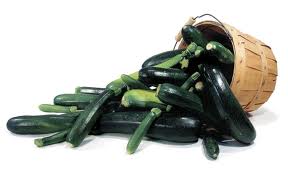
Grilled Zucchini with Chopped Dill

 Zucchini (one or two, more if very small)

Dill (I will leave it up to you regarding amounts, but if you love the taste of dill, by all means, be generous!)

Extra Virgin Olive oil

 Slice Zucchini lengthwise or crosswise, depending on size and preference.  (I find a 1/4” thickness works well on the BBQ)

 Chop dill and mix with olive oil, rub onto zucchini, sprinkle with salt and pepper, and grill

Zucchini has the ability to protect against cell mutations and oxidative stress, and contains powerful anti-inflammatory compounds. It is also a good source of potassium and lutein.

(See dill above) 

Watercress and Red Cabbage Salad
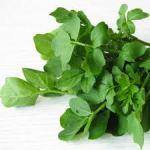
Wash one bunch of watercress and chop

Remove outer layers of red cabbage and slice thin or chop (use about ¼ of the head for one bunch of watercress).

Extra virgin olive oil

Aged Balsamic vinegar

Optional—add a handful of raw pine nuts or chopped parsley

 Toss salad with a pinch of salt, fresh pepper (if desired) and drizzle with Arlotta balsamic vinegar and lemon infused olive oil.  Alternatively you can use any olive oil and balsamic, but be sure to buy the best quality you can find.

 Serve at once

 Watercress offers a hefty dose of beta-carotene, copious amounts of calcium, carotenes like lutein, and trace amounts of omega-3’s.  Watercress has a high amount of PEITC (phenylethylisotiocyante) which appears to block cancer-causing chemicals, perhaps even protecting the lungs of smokers from the carcinogens associated with tobacco (however, please don’t smoke…I tell you this to understand the power of watercress)

 Red cabbage boosts immunity and is a member of the cruciferous family, whose indoles help with estrogen metabolism.  It also contains anthocyanins, a class of flavonids that provides as many as 36 different varieties of anticancer chemicals. Cabbage also contains a significant amount of glutamine, an amino acid that has anti-inflammatory properties. Red Cabbage boosts the immune system’s ability to produce more antibodies. Red cabbage contains large quantities of sulfur and other minerals that work as cleansing agents for the digestive system.  Raw red cabbage cleans the bowels, thus helping to prevent indigestion and constipation.

  Parsley has potent anti-inflammatory and anticancer abilities. The phytochemicals in parsley can slow the speed of cell division, leaving time for the cell to correct DNA mistakes or to activate apoptosis, and recent research shows that one particular compound found in parsley and celery, apigenin, can stop certain breast cancer tumor cells from multiplying and growing, so it’s a good idea to have some everyday.

 Additional Notes

 When salt is used, please consider pure sea salt as ordinary table salt and commercial sea salts are often treated with chlorine to bleach it white and may contain additional chemicals to prevent caking. 

When using balsamic vinegar, please keep in mind that many inexpensive varieties sold in the supermarket aren’t really balsamic vinegar but rather a cheap imitation. Try to purchase only high quality brands with no added ingredients

When olive oil is used, consider organic or a trusted source as not all olive oils are as pure as they claim to be.  I choose to use organic extra virgin olive oil for cooking and love the infused olive oils by Arlotta foods that we discovered at the farmers market in Southampton. 

Avoid canola oil…..have you ever seen a canola plant? That’s right, there is no such thing. Canola stands for “Canadian oil low acid”. Canola oil is developed from the rapeseed plant, which is part of the mustard family of plants. These oils have long been used for industrial purposes (in candles, lipsticks, soaps, inks, lubricants, and biofuels). It’s industrial oil, not a food.

Rapeseed oil is the source behind mustard gas, and on its own it causes emphysema, respiratory distress, anemia, constipation, irritability, and blindness. But through the beauty of genetic modification, it is now sold as edible oil. 

To be safe, use oils such as olive or walnut on salads

No GMO’s please:

http://www.newswithviews.com/Smith/jeffrey.htm

http://www.scribd.com/doc/8982765/NONGMO-Shopping-Guide

Elyn Jacobs

Elyn Jacobs is a certified cancer coach, a breast cancer survivor, and the Executive Director for the Emerald Heart Cancer Foundation.  She empowers women to choose the path for treatment that best fits their own individual needs.  Elyn helps women to uncover the nutritional deficiencies and emotional stress patterns that may have contributed to their cancer and to support their body as it activates it own natural ability to fight the disease. She is passionate about helping others move forward into a life of health and wellbeing. To learn more about Elyn’s coaching services or to learn more about eating for life, please visit:  https://elynjacobs.wordpress.com.

Light at Night and Breast Cancer

In Uncategorized on March 15, 2012 at 2:20 pm

About 18 months ago, I attended a lecture at Gildas Club on the prevention of cancer.  Dr Marisa Weiss, Founder and President of BreastCancer.org, gave a great talk, and one thing that struck me was light at night. This was the first I had heard of the perils of light at night and I must say, she was so convincing I went right home and ordered eye covers….and have been using them ever since.  Dr Keith Block talked a bit about this at the Annie Appleseed Project CAM conference a few weeks ago, and while I will blog more on his lecture, I was reminded of this important subject.

sleep maskI am sensitive to light. I remember when I first moved from the suburbs to the city.  My bedroom was so bright, I could not sleep.  My mother made black-out drapes for me and all was well.  15 years later, when I met my husband and moved in with him, I had long forgotten about the issue and found myself sleeping (or sleepless) in a very bright room…natural light from the moon and stars, as well as city lights lighting the night.  Then came the nite-lites and long nights when our children were babies.  While I certainly felt the misery of lack of sleep, I did not realize the effects on my long-term health; that I might be at higher risk of getting cancer.  Habitual light at night during sleep increases breast cancer incidence by 22% (Keith Block, Annie Appleseed CAM Conference, Feb, 2012).
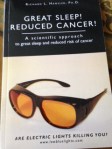
Dr Richard Stevens, Cancer Epidemiologist and professor at the University of Connecticut Health Center, has done a number of studies on light at night (LAN).  In 1987 he was featured in American Journal of Epidemiology proposing a radical new theory that “the use of electric lighting, resulting in lighted nights, may produce circadian disruption,” which causes changes in the hormones, one hormone in particular is melatonin, known as the hormone of darkness because it is secreted in the dark.  In 2009 he studied women who work the night shift and found that these women appear to be at higher risk for breast cancer.   Melatonin reduces the production of estrogen in the body, so with light interrupting the release of melatonin, estrogen levels rise, and too much estrogen heightens the growth of breast cancer. The WHO actually lists the shift work (graveyard shift) as a “probable carcinogen”.light at night

Dr. David Spiegel, a psychiatrist and professor of Stanford University supports the LAN theory as well.  “There is evidence that women who do night time shift work are in increased risk of getting breast cancer.  Melatonin is an antioxidant. There is some thought that disruptive melatonin levels which happens when you don’t sleep well, may reduce the ability of the body to scavenge free radicals that can cause cancer,” said Dr. Spiegel.   Spiegel goes further, saying cortisol levels may also be connected to sleep and cancer.  Cortisol is a circadian hormone produced by the adrenal gland that is released in response to stress. Cortisol also helps to regulate the immune system and releases cells that fight off cancer cells. Cortisol increases in the late hours of sleep, and Spiegel believes Cortisol, like melatonin, lowers the production of estrogen.

Many others have studied and reported on this as well:

http://www.skykeepers.org/lan-health/lan-health.html; http://www.breastcancerfund.org/clear-science/chemicals-glossary/light-at-night-and-melatonin.html

So how do we lower our risk for getting cancer?  Eat well, exercise daily, turn off the computer and the cell phone and get some sleep.  Try to be in bed by 10pm, black shade your room or wear eye covers.  Melatonin release is at its strongest from about 10pm to 2am, although I have heard 10-1 as well as critical from 2-4am.  So, the best advice is likely to simply work on getting a good night’s sleep.

What can you do to improve sleep? The first step to easing insomnia and poor sleep quality is by recognizing it is a problem and then finding ways to resolve the problem.

  1.  Establish a regular bedtime and wake time.
  2. Reserve the bedroom for intimacy and sleep only; do not watch television, eat, talk on the phone, or work in your bedroom. Try reading something more technical than fictional to avoid staying up late ‘to see what happens next in the book’.
  3. Make your bedroom dark, quiet, and comfortable.
  4. Avoid caffeine and alcohol within six hours of bedtime; drink calming teas instead, such as roobios, chamomile and lemon balm, but not too close to bedtime as this may disrupt your sleep if you have to get up to use the bathroom.  It’s a good idea to limit alcohol usage in general as it is linked to cancer and is dehydrating, which may leave you thirsty during the night.
  5. Drink liquids daily to avoid dehydration, but again, not close to bedtime.
  6. Exercise daily, but preferably not right before bedtime.
  7. Avoid foods with additives and preservatives; some of these ingredients can act as stimulants and aren’t good for you anyway.
  8. To avoid nighttime awakening due to drops in blood sugar, eat 1-2 oz of a complex carbohydrate snack, such as oatmeal, whole-grain cereals, or whole-grain bread, one hour before bedtime, perhaps adding a bit of protein such as almond butter or nuts to further slow the glucose factor.

While proper sleep is the preferred source of melatonin, there is strong research suggesting that that low levels of melatonin stimulate the growth of certain types of breast cancer cells. So if levels are low, and cannot be corrected with sleep, supplementation may be the way to go. Melatonin may enhance the effectiveness of some chemotherapy drugs and may also help prevent the lowering of platelets in the blood during chemotherapy, a common complication that can lead to bleeding.  It is always advisable to discuss the use of supplements with a naturopath, integrative or functional medical doctor before use, as often supplements may interact positively or negatively with other drugs.

There are many natural substances that can be taken to enhance sleep, and in my coaching, I highly recommend the use of them.  Ashwaganda, for example, reduces stress and anxiety (do not take prior to surgery).  Rhodiola helps with anxiety, depression, sleep disturbances and insomnia. (Caution, Rhodiola is not advised for those with Bipolar or mania).  L-Theanine reduces stress and improves sleep quality.  Schisandra has a calming effect and may also help manage stress-induced insomnia. (Schisandra should not be taken with Tamoxifen). Magnolia can help calm nerves and alleviate anxiety; it is thought of as the herbal substitute for valium, and is actually better as it does not cause that embarrassing and debilitating muscle relaxation (sounds good until you can’t function).  By the way, several studies have tested magnolia extract on human cancer cells and found that it may inhibit the growth of cancer tumors.

Sleep Aids:

Herbs Etc Deep Sleep 120 Softgels

Natural Factors Stress-Relax Tranquil Sleep Enteric Softgels, 90-Count

THORNE RESEARCH – Rhodiola Rosea

Gaia Herbs Schisandra Berry

Gaia Herbs Ashwagandha Root Liquid Phyto-Capsules

Magnolia Extract

Melatonin 3mg 180c by Pure Encapsulations

Tranquility Therapeutic 100% Silk Sleep Mask; Eye Mask Hypoallergenic, Facial Eye Beauty; Black

Swissco Satin Sleep Mask Leopard Print

These recommendations do not represent medical advice, and I encourage you to discuss this information with your integrative oncologist or naturopathic doctor.  Supplements are intended to supplement a healthy diet–they are not a replacement, and may contain additional ingredients. It is always advisable to discuss the use of supplements with a naturopath, integrative or functional medical doctor before use, as often supplements may interact positively or negatively with other drugs.

For more information on LAN:

http://www.breastcancer.org/risk/factors/light_exp.jsp

http://www.breastcancerfund.org/clear-science/chemicals-glossary/light-at-night-and-melatonin.html

http://www.medicaldaily.com/news/20111011/7369/cancer-sleep-cancer-epidemiologist-steve-jobs-antioxidant-melatonin-cortisol-hydrocortisone.htm

http://www.skykeepers.org/lan-health/lan-health.html

http://www.sleepfoundation.org/article/sleep-topics/melatonin-and-sleep

http://www.betternutrition.com/sleep/features/featurearticles/714

Elyn

Elyn Jacobs is President of Elyn Jacobs Consulting, Executive Director for the Emerald Heart Cancer Foundation, a certified cancer coach and a breast cancer survivor.  Elyn helps women diagnosed with cancer to navigate the process of treatment and care, and educates to prevent recurrence and new cancers.  She is passionate about helping others get past their cancer and into a cancer-free life. To learn more about Elyn’s coaching services, please visit:  http://elynjacobs.com

Integrative Oncology Works!!!

In Uncategorized on March 5, 2012 at 8:23 pm

This past weekend I attended the Annie Appleseed Project CAM conference; so many excellent speakers. Over the next few weeks I will be sharing some of what I learned. What resonated throughout the conference was that conventional medicine alone is not the answer.Today I will talk about Dr Gwen Stritter and her roadmap to beat cancer.

Dr Stritter provided a humorous and excellent plan for someone just diagnosed with early stage breast cancer who wants to increase her chances of a cure.  I just loved the positive tone; note she did not say to prevent recurrence, but rather spoke of that lovely word cure. She said that if she were diagnosed at 12pm, what she could do at 12:01pm that could take her on the path to wellness.

Exercise:  Fast walking 3hours a week improves breast cancer survival by 40%.  5-6 hours increased survival even more.  So, she will go for a walk. Social support: Increased contact with friends and family post diagnosis was associated with lower risk of death by 70%.  So, on the way home, she will stop in and visit some friends and family.  Alcohol:  having one alcoholic beverage a day increases death by 36%.  So, she’d give up that glass of wine with dinner…well maybe indulge only twice a week as she really loves wine.  D3: Vitamin D3 decreases metastasis and increases survival by 55%. So, she’ll pop in a 2000mg supplement as soon as she gets in the car.  Omega 3: high intake of omega 3 fatty acids from fatty fish increases survival by 25%, so she’ll call her husband and ask him to toss the fried chicken, and will stop at the fish market to buy some salmon for dinner. Controlling inflammation:  having a high CRP, (which indicates increased inflammation), results in a 100% increase of death.  So, she will take some anti-inflammatory natural products such as curcumin, omega 3 (yes, perhaps a supplement too), boswellia and a few others.  Low toxicity pharmaceuticals:  a daily baby aspirin reduced breast cancer death by 70% (alternatively, one regular aspirin taken three times a week can reduce recurrence by 50%, according to my integrative onc).  So, she will stop at the drugstore and buy some aspirin.  She might also take some other pharms that look promising, so she’ll call her primary physician. In trials, Propranolol, a cheap and non-toxic drug commonly prescribed for high blood pressure, increased  breast cancer  survival by 80% (in a retrospective study).  Metformin, which is derived from the French lilac plant, increased survival in diabetic patients by 60%, and non-diabetics with breast cancer who did not take Metformin had 3 times the risk of distant metastasis….the risk went up 300%!.  Metformin is cheap and has very few side effects.  (My doc recommends that almost everyone take it to avoid cancer, and certainly to prevent recurrence).  There is another study expected to be released by 2014, but likely you will not want to wait until then.

And of course, she will switch to a mostly plant based diet, be conservative on oil and fat intake, and if she were a smoker…she would stop asap! 

In summary, if she does all this, cancer does not stand a chance; she has provided an extremely hostile environment for her cancer to grow.    She also commented that Dr Keith Block did an excellent study on these combined steps and found a substantial increase in survival for those with advanced metastatic cancer.  Her overall deduction?  Integrative Oncology works!!! 

A few things to add:

You will likely need to ask your primary doc, not your oncologist for prescriptions for Propranolol and Metformin as they are not yet approved for cancer despite the fact that they can be quite effective.    At this conference as well as at the Integrative Healthcare Symposium, several doctors commented that Metformin was the only cancer drug that actually worked. My doc started me on this a while back, handing me piles of research to support his recommendation.

Also, remember to address stress….more on this later, but I offer this post until then: https://elynjacobs.wordpress.com/2011/12/09/changing-the-cancer-environment/

Lately there has been much in the news about red wine and breast cancer.  Research shows that a small amount of red wine may actually reduce breast cancer risk.  http://www.medicalnewstoday.com/articles/240065.php?utm_medium=twitter&utm_s

The trick is small.  Those who love wine (like me) might take this too far.  Your body converts alcohol into acetaldehyde, a carcinogen.  Acetaldehyde boosts cancer risk by inflicting oxidative stress that damages DNA, prevents DNA repair, and triggers a pro-inflammatory reaction.  You can help offset the damage by adding a few foods and plant-based compounds like silymarin, resveratrol, grape seed extract and barley grass, as well as adding some supps like selenium, NAC, vitamin B6, and folate, to prevent alcohol-related deficiencies of valuable cancer fighting nutrients and minerals.  The trick is to take the supps just before, with, or even immediately after accidental over- indulgence of wine. (Have a brazil nut with that wine!)So, I offer up this article, which effectively provides a good explanation of the dangers of alcohol as well as what we can do to offset the damage should we accidentally over-indulge.  http://www.lef.org/magazine/mag2011/dec2011_Link-Between-Alcohol-and-Cancer-Death_01.htm

Elyn Jacobs

elyn@elynjacobs.com

elynjacobs.blogspot.com

elynjacobs.wordpress.com

Elyn Jacobs is President of Elyn Jacobs Consulting, Executive Director for the Emerald Heart Cancer Foundation, a certified cancer coach and a breast cancer survivor.  Elyn helps women diagnosed with cancer to navigate the process of treatment and care, and educates to prevent recurrence and new cancers.  She is passionate about helping others get past their cancer and into a cancer-free life. To learn more about Elyn’s coaching services, please visit:  https://elynjacobs.wordpress.com