elynjacobs

Archive for the ‘Uncategorized’ Category

Vitamin D Better than Aromatase Inhibitors

In Alternatives to Hormone Therapy for Breast Cancer, Alternatives to Tamoxifen, Breast Cancer, Uncategorized on October 1, 2017 at 9:49 am

Pretty much every medical journal has posted research associating high vitamin D levels with a reduced risk of many cancers. Recent research, however, takes things a step further by showing that vitamin D actually reduces circulating estrogen levels, which has been found to reduce breast cancer risk and the progression of the dis-ease.  Excitingly, this may offer women an safer alternative to aromatase inhibitors.

Research done in 2016 at the Fred Hutchinson Cancer Research Center found that those with the greatest increase in vitamin D blood levels had the greatest reductions in blood estrogens. The randomized, controlled, clinical trial involved over 200 women who had insufficient D levels.  At the end of the year-long study, those whose D levels rose the highest had a corresponding reduction in estrogen levels. This study suggests that vitamin D supplementation may be a practical alternative to estrogen-lowering drugs, such as aromatase inhibitors.

Studies also show that natural progesterone offsets the effects of estrogen, and in doing so, reduces cancer risk. This is because progesterone hinders the growth of cancer cells, sort of putting the brakes on estrogen. However, it has been found that a lack of vitamin D reduces the benefits of progesterone.

Importantly, both progesterone and vitamin D regulate gene expression, and both have a positive fundamental effect on cell differentiation and growth, with anti-oxidative and autoimmune anti-inflammatory mechanisms. Therefore, it is important to maintain adequate levels of both progesterone and vitamin D.

Unfortunately, while natural progesterone has an anticancer effect, synthetic progesterone (found in birth control pills and hormone replacement supplements) does not. This is because unlike natural progesterone, synthetic versions do not stimulate activation of the P53 gene [i] (which is the tumor-suppressor gene involved that protects cells from becoming cancerous and orders damaged cells to self-destruct)), and as such, have not been found to inhibit cancer development.

If present, synthetic progesterone will occupy the progesterone receptors, preventing natural progesterone from occupying those receptors. In order for natural progesterone to facilitate the production of P53, it must attach itself to progesterone receptors. If synthetic progesterone (again, which does not stimulate the production of P53) is present on the receptors, natural progesterone will not be able to occupy the receptors. For more information on P53, please click HERE. For a deeper understanding of progesterone, please read my article The Truth About Progesterone and Breast Cancer.

Recent research shows (and this author believes) that blood levels should be 70-100ng/ml  and not the 30ng/ml most labs and doctors regard as adequate. The minimum daily dose required may well be 5000iu’s per day, although the latest research indicates it could be more like 10,000iu’s per day (I personally require even more than that).

Some doctors warn of toxicity risk but studies have found that even an intake of up to 40,000iu’s vitamin D per day is unlikely to result in vitamin D toxicity. [ii]  Just be sure to drink plenty of clean water and consume a healthy diet, which I recommend anyway. Despite the fact that more people are now taking vitamin D supplements, it’s rare to find someone with very high blood levels of this vitamin.

Cholesterol’s Role

Both progesterone and vitamin D3 are manufactured from cholesterol. Progesterone is primarily produced by the adrenals and ovaries. Vitamin D3 is made by the action of UVB sunlight as it strikes the cholesterol covering our skin—assuming you have not doused yourself with chemical or even non-chemical sunscreen. The moral of the story, as they say, is not to be so aggressive in reducing healthy cholesterol, and you might consider leaving the sunscreen home.

While vitamin D shows promise in the efforts to lower estrogen, please know that there are many natural substances that can be employed. It would be my recommendation not to rely solely on vitamin D, but rather to devise a comprehensive plan.  This is especially true as many people don’t actually have high estrogen levels, but rather are deficient in progesterone (and therefore are still estrogen dominant). For more information on natural approaches to anti-hormone therapy, please click HERE.

Elyn

~~If you don’t know your options, you don’t have any~~

ej portrait 150resElyn Jacobs is a breast cancer survivor and holistic cancer strategist who helps people make better, healthier, non-toxic choices. She emphasizes the critical nature of addressing the root cause of cancer and not just its presenting symptoms (such as the tumor). Elyn specializes in understanding the role of estrogen in breast cancer and debunks the myths associated. She is a Contributing Editor for The Truth About Cancer and was creator and host of the Survive and Live Well Radio Show on the Cancer Support Network. Elyn is on the Medical Advisory Board for BeatCancer.Org and is on the Advisory Board to the Radical Remission Project. Elyn was the former Executive Director of the Emerald Heart Cancer Foundation. Contact Elyn via her website. Elyn offers consults via Skype, phone or in person.

Follow Elyn on Facebook

Follow Elyn on Linkedin

[ii] https://www.ncbi.nlm.nih.gov/pubmed/21378345

[i] https://www.ncbi.nlm.nih.gov/pmc/articles/PMC2882298/

Cancer-Busting Sweet Potato Salad

In Anticancer foods, foods for colon cancer, foods for breast cancer, Breast Cancer, Cancer, Uncategorized on September 30, 2017 at 12:50 pm

Sweet potatoes are delicious, satisfying, and easy to prepare.  Looking for a great tail-gate recipe? Try this cancer-fighting dish that will be sure to wow your taste buds and your friends.

Ingredients

3 pounds sweet potatoes (about 3 or 4 medium), peeled and cut into ½- 3/4

inch chunks

3 Tablespoons organic red wine vinegar

2 Tablespoons freshly squeezed orange juice

1 teaspoon finely grated orange rind zest (a microplane grater works well for this)

1 scallion, sliced on a diagonal

Course Celtic sea salt

¼ cup organic extra virgin olive oil

Freshly ground pepper

1 scallion, dark part only, sliced diagonally or 3 tablespoons chopped chives, for garnish

Preparation

  • Bring a large pot of filtered water to a boil; add potatoes. Bring back to a boil, reduce heat, and simmer for 5 minutes. Drain.
  • Whisk vinegar, zest, juice, scallion and ¾ tsp salt. Slowly add and whisk in oil.  Season with pepper.  Toss and chill. Garnish with sliced scallions or chopped chives.

Why eat it? Check out what it has to offer you….

Sweet potatoes have many health benefits. They are high in various B vitamins as well as vitamins A, C, and D. They also offer potassium and magnesium. Sweet potatoes are rich in carotenoids, powerful antioxidants which protect our eyes and boost immunity.

Notably, despite being “sweet”, sweet potatoes do not cause blood sugar spikes. Their natural sugars are slowly released into the blood stream.

Orange zest –the oils from orange zest are anti-fungal, immune boosting, antibacterial, and offer many anticancer properties.  Numerous studies have found that the d-limonene in orange oil inhibits the growth of cancerous cells.

Scallions are loaded with vitamin A and contain flavonoids that act as antioxidants (such as lutein, zeaxanthin, and carotenes) which work together to protect the body against various cancers.

Chives—compounds in chives reduce the damage caused by free radicals in the body.  Such molecules are involved in the onset of various cancers. Studies have shown that regular consumption of chives (a member of the allium family) reduces risk of stomach, breast, prostate and many other cancers.

Elyn

~~If you don’t know your options, you don’t have any~~

ej portrait 150resElyn Jacobs is a breast cancer survivor and holistic cancer strategist who helps people make better, healthier, non-toxic choices. She emphasizes the critical nature of addressing the root cause of cancer and not just its presenting symptoms (such as the tumor). Elyn specializes in understanding the role of estrogen in breast cancer and debunks the myths associated. She is a Contributing Editor for The Truth About Cancer and was creator and host of the Survive and Live Well Radio Show on the Cancer Support Network. Elyn is on the Medical Advisory Board for BeatCancer.Org and is on the Advisory Board to the Radical Remission Project. Elyn was the former Executive Director of the Emerald Heart Cancer Foundation. Contact Elyn via her website. Elyn offers consults via Skype, phone or in person.

Follow Elyn on Facebook

Follow Elyn on Linkedin


Health Benefits of Aronia Berries

In Alternative Cancer Therapies, Anticancer foods, foods for colon cancer, foods for breast cancer, Breast Cancer, colon cancer, Uncategorized on July 11, 2017 at 1:36 pm

Aronia berries, also known as chokeberries, have numerous healing abilities. Notably, they have a higher concentration of antioxidants than any other fruit, beating out cranberries, blueberries, strawberries, pomegranate, and others. Antioxidants protect your cells from the damaging effects of oxidation, boosting health and helping to protect against cancer. Certain agents in aronia, such as caffeic acid, cyanidin-3-galactoside, delphinidin, epicatechin, and malvidin have been studied for their health-promoting properties.  Combined, these agents are anti-bacterial, anti-viral, and antidiabetic. But, there is so much more to these dark pigmented berries.

Here are just some of the amazing health benefits of aronia Berries:

  • Promote good urinary tract health, which means less urinary tract infections (UTIs);
  • Lower cardiovascular risk as they improve blood circulation and make blood vessels stronger. They improve elasticity of blood vessels and prevent their clogging, fight the formation of arterial plaque, and lower cholesterol;
  • Help balance blood pressure;
  • Help prevent and treat diabetes as they have been found to lower blood sugar levels and improve the body’s own natural production of insulin;
  • Help with gut issues, including gastric ulcers and diarrhea
  • Help reduce weight and body fat;
  • And, last but not least, aronia berries are anti-cancer.

Several of the compounds in aronia are natural cancer fighters, especially against cancer of the breast, bladder, stomach, colon, lungs, ovaries, and skin. One study even found that when paired with curcumin, aronia could kill brain cancer cells. Researchers have found that these amazing berries slow the growth of cancer cells. Some studies also show that not only was growth slowed, but cancer cells were killed.[i]

The phenols in aronia berries (particularly proanthocyanins and anthocyanins) also disinfect the bloodstream and remove toxic substances from the body. Aronia has been found to help with herpes, and thus could be effective against the Epstein Barr Virus (EBV) as well. EBV is known to be connected to the development of various cancers.

In one study, Caco-2 colon cells exposed to chokeberry resulted in a dramatic reduction in proliferation (30-40%) and viability was inhibited by around 20%.  A positive change in gene expression was also noted. The genes that changed were found to be ones related to cell proliferation, tumor migration, and colon carcinogenesis. [ii] Another study also found that aronia can up-regulate tumor suppressor genes for colon cancer.[iii]

Unfortunately, aronia berries do not taste very good.  They are sour and taste a bit like cranberries. But, the good news is that aronia is naturally pest-resistant and therefore, does not require the use of agricultural toxins.  What that means to you is you may not need to worry about unhealthy chemicals in the fruit. The berries themselves are more powerful than just the juice, so it is best to choose fresh or dried berries if you can find them. You can buy them in powder and supplement form as well.

Elyn

~~If you don’t know your options, you don’t have any~~

ej portrait 150resElyn Jacobs is a breast cancer survivor and holistic cancer strategist who helps people make better, healthier, non-toxic choices. She emphasizes the critical nature of addressing the root cause of cancer and not just its presenting symptoms (such as the tumor). Elyn specializes in understanding the role of estrogen in breast cancer and debunks the myths associated. She is a Contributing Editor for The Truth About Cancer and was creator and host of the Survive and Live Well Radio Show on the Cancer Support Network. Elyn is on the Medical Advisory Board for BeatCancer.Org and is on the Advisory Board to the Radical Remission Project. Elyn was the former Executive Director of the Emerald Heart Cancer Foundation. Contact Elyn via her website. Elyn offers consults via Skype, phone or in person.

Follow Elyn on Facebook

Follow Elyn on Linkedin

[i] http://news.bbc.co.uk/2/hi/health/6954696.stm

[ii] https://www.ncbi.nlm.nih.gov/pmc/articles/PMC2474921/

[iii] https://www.ncbi.nlm.nih.gov/pubmed?term=16860979


Is it Safe to Drink Alcohol if You Have Cancer?

In Breast Cancer, Cancer, Uncategorized on March 28, 2017 at 4:15 pm

We all know that chronic, excessive alcohol consumption can dramatically raise one’s risk of cancer and other degenerative diseases. Cancer patients typically make some major lifestyle changes to increase their survival—and often this includes cutting back on (or eliminating) alcohol consumption. For many, this is very difficult, just as smoking and/or sweets are hard for others to eliminate.

But, all too often I find myself wondering if my clients are trying too hard to be healthy. I talk and talk about healthy habits, food choices, vitamins, and nutritional supplements. Eat this, not that, drink this, not that, etc. However, sometimes I feel like I forget to stress hard enough the need to enjoy life.
Healing from cancer can be hard; staying healthy can be even harder, as our motivation wanes. So just to be very clear — eat the cake; drink the wine; go on the trip; buy the dress—wear the dress. Life is too short to put happiness on hold.

While I really do not advise making a daily trip to the bakery, an occasional piece of birthday cake just isn’t going to matter. In fact, it will bring essential joy as you celebrate your or a loved one’s birthday. We know that sugar feeds cancer, but these days, so does everything else, so it seems — so an occasional treat is not all that bad.

As for alcohol consumption, we know that drinking in moderation is good for the heart—and can be good for the soul. Studies show that light to moderate drinkers are more social, which has a positive effect on longevity.

But what about alcohol and cancer?

When alcohol breaks down, it is converted into acetaldehyde, a toxin which damages DNA and hinders the cell mechanisms that would ordinarily repair it. Acetaldehyde also produces harmful free radicals that increase inflammation—cancer’s friend.

wine 3Thankfully, there are ways to help alleviate the potential harm. Therefore, while excessive consumption of alcohol undeniably damages the body, you don’t have to give it up completely. If you enjoy the pleasures of social or moderate drinking, you can help neutralize alcohol’s toxic effects by consuming certain nutrients and phytonutrients.

Further, should your preference be wine, it is good to know that red wine (and to some extent, white) contains some powerful anticancer nutrients, making it actually somewhat protective against cancer!

Therefore, the purpose of this article is to remind you of the perils of drinking alcohol and to educate you on ways to minimize the risks of alcohol consumption so that you can still enjoy it without so much guilt. After all, we know that stress and deprivation are not good for anyone — certainly not someone who has beaten cancer only to end up depressed. A glass or two of red wine now and then can be a very nice social experience and can be quite enjoyable–and healthful–just don’t over-do it.

The Skinny on the Vinnie…

Wine is good for the heart and may actually inhibit the development of certain cancers, including breast cancer. Interestingly, red wine is a good source of folate, biotin, vitamin B6, niacin, potassium, magnesium, and other important anticancer nutrients, so in itself, it is part of the solution.

The resveratrol in red wine has potent antioxidant and anti-cancer effects, suppressing the production of inflammatory cytokines as it protects, and even repairs damaged DNA – healing the injury before it can result in cancerous changes. Resveratrol also provides cardiovascular benefits by reducing LDL cholesterol and decreasing the stickiness of blood platelets.

Some studies have credited resveratrol with blocking the development of cancer at multiple stages – from tumor initiation through promotion and progression. Of course, in my humble opinion, you would have to overindulge to get enough resveratrol to effectively block cancer, and clearly that is not a good idea. Still, it is comforting to know that you will get some benefits from the resveratrol.

The quercetin in red wine also protects DNA in cells because it collects around the nucleus of cells offering powerful anti-oxidant protection. It prevents tumor cell growth and has strong anti-inflammatory properties. It also stimulates liver function to detoxify estrogen and other carcinogenic agents, helping to remove them from the body.

Quercetin also binds to excess iron in your body. It removes it from tissues, and prevents its absorption. This process is called chelation. This is critical as iron can be a key ingredient in cancer cell growth. Quercetin has the ability to steal the iron from cancer cells which can stop their growth and induce cell death.

In summary, red wine is loaded with polyphenols, which can do a body good. That said, please limit consumption and be sure to consume adequate helper nutrients, which will be discussed below. Also, while the focus on this article is wine, the nutrients below will help protect you should wine not be your cocktail of choice.
Lastly, given that you would never eat conventional grapes laden with pesticides, please consider organic wines and spirits. Likely too you have seen some of the resent research indicating that organic wines from California are laced with pesticides. While this is true, this is also true of most organic crops from California and Mexico. Local organic is better, and wine from small vineyards that do not require pesticide use and which are irrigated with clean water are also a good option.

Anti-Alcohol Substances:
In general, protective components are carotene (think carrots), folate (B9), niacin (B3), vitamins B6, B1, C, D, E, and a few others in smaller amounts. A diet that includes foods rich in the antioxidants vitamin C, vitamin E, and beta-carotene can promote a healthy inflammatory response in the body. In addition, lycopene, ursolic acid, lutein, and other phytochemicals in plant foods can provide protection. Herbs and spices including turmeric and ginger are also known to have anti-inflammatory properties.

I also recommend eating Brazil nuts or taking supplemental selenium as selenium levels tend to be reduced in people who drink alcohol regularly. Importantly, a deficiency of selenium can significantly increase your risk for cancer. Having a high-fiber snack with your cocktail is also a good idea.

Highlighting B Vitamins:

Acetaldehyde depletes cells of vitamin B-6 – a nutrient needed to prevent dangerous oxidation. Again, the body converts alcohol into DNA-destroying acetaldehyde, a carcinogen in the same family as formaldehyde. Acetaldehyde also interferes with the actions of folic acid and can lead to folate deficiency in heavy drinkers. Folate deficiency can impair the body’s ability to suppress cancer genes called proto-oncogenes.

A note on folic acid—research indicates that women who drink alcohol in moderation and have a high folate intake may not be at any higher risk of some breast cancers than those who abstain from alcohol. But when it comes to folic acid, go for the real thing– you can find it in abundance in citrus fruits, dark green leafy vegetables, dried beans, and peas, and yes, red wine—all in the form of natural folate, which is much safer than synthetic folic acid (please don’t depend on the folate in wine…you need much more). If you take a supplement, be sure it is folate, not folic acid.

Acetaldehyde also robs the cells of Vitamin B-1, or thiamine. Experts say it is often thiamine deficiency – rather than the toxic metabolites of alcohol – that causes the brain degeneration associated with alcoholics.

Vitamin C is key in preventing oxidative damage caused by alcohol:

Alcohol depletes vitamin C, a vitamin that helps defend the body from alcohol damage. This potent antioxidant protects brain cells against the toxic effects of alcohol, and helps control brain levels of pro-inflammatory substances which are increased by alcohol and its toxic metabolites. Vitamin C also helps to regenerate vitamin E, which helps protect the brain and liver from the aging process. Therefore, supplemental C can be very helpful.

Antioxidants are called free radical scavengers because they neutralize free radicals in the body. An antioxidant such a vitamin C can donate electrons to the free radical, thus stopping the free radical from stealing another electron. To explain, antioxidants prevent oxidation damage by donating electrons to replace those lost to oxidation. This process of providing electrons is the reverse of oxidation and is called reduction. Our tissues maintain a controlled balance of reduction and oxidation, known as the ‘redox state’. Cells produce antioxidants and antioxidant electrons continuously in order to prevent oxidation damage.

Glutathione

Acetaldehyde from alcohol also depletes necessary glutathione, causing dramatic reductions in the body’s natural defense systems. Glutathione is the body’s ‘master antioxidant’. It binds to toxins and promotes their excretion via the bile and urine. N-acetylcysteine, or NAC, binds acetaldehyde, neutralizing its damaging effects, and replenishes glutathione levels in tissues.

NAC is also used for preventing alcohol- related liver damage and to combat toxicity from Tylenol use. It does this so effectively that it is used in conventional medicine – along with vitamin C – to treat acetaminophen overdoses.

NAC is most helpful when taken immediately before alcohol ingestion – but it can also be used after indulging as well.

Love your liver…

Alcohol is tough on the liver, and you depend on your liver to remove toxins from the body. Green tea and silymarin (milk thistle) prevent damage to the liver by acting as an antioxidant and enhancing the detoxification process. Grape seed extract and barley grasses are also helpful.

Milk thistle, in particular, is a natural remedy for liver regeneration that is backed by considerable modern research. Long used by natural healers to support liver health and function, milk thistle helps promote the elimination of toxins –including those related to alcohol consumption. Studies have shown that milk thistle’s active constituent, silymarin, can enhance the immune system, fight inflammation, protect DNA, and help to alleviate alcohol-induced liver disease.

In cell studies, silymarin has been found to inhibit the conversion of ethanol to acetaldehyde, reduces liver cancer cell proliferation, stops the growth of blood vessels that nourish tumors, and promotes the regeneration of normal liver cells.

How much is too much? Most experts would say 1-2 drinks daily is okay. Don’t think because you abstain all week that you can have seven glasses of wine on Saturday night. Also, remember that the body needs time to metabolize each drink, so allow some time between that first and second cocktail. A good rule of thumb for alcohol consumption might be to avoid amounts that produce a hangover – for which acetaldehydes are primarily to blame.

Enjoy your wine if it brings you pleasure, but limit consumption and load up on the protective nutrients that may eliminate or reduce risk of cancers associated with drinking alcohol. Again, and this is very important– while there are clearly health benefits to drinking alcohol, moderation is imperative. The following is a great article that defines the pros and cons, especially the discussion on ethanol and methanol: Moderate Drinkers Live Longer than Non-Drinkers, Study Finds.

It is not my recommendation for you to use this information as a justification to start or continue drinking alcohol. There are many non-alcoholic sources of the anticancer nutrients mentioned above. Of course, it is good to know that there are certain nutrients and supplements that can help neutralize the damaging effects of alcohol should you choose to imbibe. My goal is simply to suggest that you not sweat everything, and that you spend time living, not just avoiding death.

Cheers!
Elyn

~~If you don’t know your options, you don’t have any~~

Elyn Jacobs is a breast cancer survivor and holistic cancer strategist who helps people make better, healthier, non-toxic choices. She emphasizes the critical nature of addressing the root cause of cancer and not just its presenting symptoms (such as the tumor). Elyn specializes in understanding the role of estrogen in breast cancer and debunks the myths associated. She is a Contributing Editor for The Truth About Cancer and was creator and host of the Survive and Live Well Radio Show on the Cancer Support Network. Elyn is on the Medical Advisory Board for BeatCancer.Org and is on the Advisory Board to the Radical Remission Project. Elyn was the Executive Director of the Emerald Heart Cancer Foundation. Contact Elyn via her website. Elyn offers consults via Skype, phone or in person.

Follow Elyn on Facebook
Follow Elyn on LinkedIn


Yes, You Can Give Up Gluten and Have Your Pizza Too!

In Alternatives to Hormone Therapy for Breast Cancer, Anticancer foods, foods for colon cancer, foods for breast cancer, Breast Cancer, Uncategorized on March 14, 2017 at 9:20 am

These days, it seems the vast majority of Americans have some sort of intolerance to gluten, whether or not they have any obvious symptoms.  But you have cancer, I strongly suggest you consider giving it up.

Gluten is a protein found in wheat, rye, barley and other grains. While it has long been a mainstay in American diets, it could spell trouble for you if you have cancer or an otherwise compromised immune system.  In fact, it could be problematic even if you don’t, as it has been found to significantly hinder the availability of nutrients from food.

Plus, often it isn’t actually the gluten itself that is the problem. There are other compounds in wheat as well that provide fuel for pathogens such as viruses and bacteria, which in turn gives rise to all sorts of symptoms. For example, grains often bear the blame for chronic inflammation.  However, often it is not the grain itself that is the problem, but rather the mycotoxins (toxic substances produced by fungi that can infect grain crops) on the grains that is the problem, especially if you have an autoimmune disorder.  What is really happening is that people with autoimmune disorders have viruses and or other pathogens in their bodies, and those bugs feed on the mycotoxins, in the process creating neurotoxins that cause inflammation.

Of course, if you know that you’re free of pathogens, then it might be fine to eat wheat — but I would not take the chance if you have cancer or an autoimmune disorder.

Besides, most wheat is now GMO, and even when not, it is important to know that wheat fields in the United States are sprayed with Roundup a few days before harvesting in order to maximize the harvest.

You don’t have to give up good food….

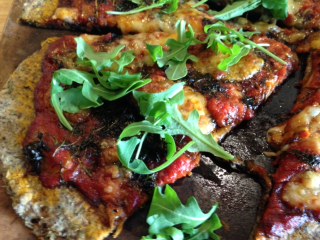
pizza with mustard greens and arugulaAs a native New Yorker, I love pizza.  But having gone gluten-free a few years ago, I had to give it up, or so I thought. For months, I considered some of the gluten-free crusts I read about in cooking and health magazines.  None seems to replicate my beloved pizza, but then again, I was too stubborn to give them a try. If you read my article Food Fatigue, you will see that I finally took the plunge and actually found a recipe that worked for me.  (Note: Miss you lots Tami, so grateful we had that evening together).

There are a lot of gluten-free pizza recipes out there, but I am sharing some of my favorites. (For more recipes and healthy reasons to enjoy pizza, visit the link above).

Awesome Gluten-Free Pizza Crust

Ingredients:

1 generous cup riced or grated cauliflower

1 pastured organic egg

Generous pinch of Celtic sea salt (about ¼ tsp)

Flaxseed: freshly ground and up to 4 Tbsp

Dried oregano, basil, thyme, and rosemary*

pinch cayenne, if desired

1 cup tapioca or garbanzo bean flour

¼ cup olive oil

Reserved cooking water

Toppings of choice

Recipe:Pizza slice

Preheat the oven to 400 degrees

Cauliflower rice: you will need about one cup

In a small covered saucepan, steam the cauliflower over low heat in a very small amount of water (less than ¼ cup).

Drain, reserving about 1-2 Tbsp water. Spoon cauliflower onto a clean dishtowel and press out the remaining water. (While recommended, you can skip this step,  but be sure to drain completely)

Mix the egg with the cauliflower, salt, and ground flax. Add 1 Tbsp each dried basil, oregano, and thyme. Grind between fingers a tsp of dried rosemary. (While fresh is an option for the herbs, dried works best in order to keep the crust flaky and crisp). Add the tapioca flour, mixing it until thoroughly incorporated.  Add the olive oil and 1 Tbsp of the reserved water (save the rest in case you need it).  Mix just a bit with a spoon, then mix by hand to create a dough; shape into a ball.  The dough can be made ahead of time to be used in up to two days.

Place the dough directly onto a floured pizza stone or on a piece of parchment paper or in-between two pieces of parchment paper.  Using a rolling pin, roll the dough out either into a circle or rectangle, to the thickness of ¼”.  You can do this directly on the stone or on the paper—if directly on the stone, rub some extra flour onto the rolling pin to prevent sticking.  If using parchment on both sides, peel off one side and turn onto stone.  Peel off remaining piece of paper.

Bake 10 minutes; remove from oven and place on stove-top.

Top with your choice of sauce, cheese, vegetables, and fresh herbs. Bake until cheese is bubbling and the crust is lightly brown.

(If you wish, you can chop small kale leaves or baby greens such as micro mustard greens and toss them with a bit of olive oil or melted ghee (which can handle high heat). Add this on top of the sauce, as I did this time, before the cheese.)

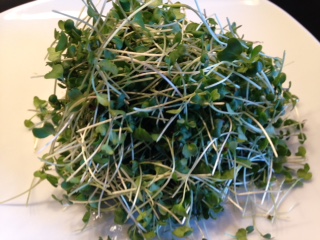
Remove from the oven and let sit a few minutes.  Top with broccoli or watercress sprouts and/or baby arugula.  Cut into eights with a pizza cutter or knife.  Enjoy!

*I use 1 Tbsp each dried oregano and basil, and 1 tsp each dried thyme and rosemary, crumbled.

If you prefer a lighter crust, you can omit the flaxseed, but if you have breast cancer or are looking to avoid it, it might be best to include it. For more information on this, please click HERE and HERE. You may also prefer to swap the tapioca flour with garbanzo bean flour as while gluten-free, tapioca flour (starch) can still raise glucose levels.

You can also make pizza without any flour at all:

 Cauliflower Minis:

Mix together the following:

1 head cauliflower, riced

2 large eggs

¼ cup shredded or grated parmesan cheese

1/3 cup tapioca flour (or substitute grated mozzarella cheese)

3 Tbsp fine chopped basil or 1 Tbsp dried

1 Tbsp dried oregano

Dash cayenne pepper

Generous pinch coarse Celtic sea salt

¼ tsp freshly ground pepper

Top minis with:

Marinara sauce

Cheese (raw cow or goat cheese is fine; no commercial cheese or soy cheeses; soy cheese is a highly processed, toxic ‘non-food’ and should be avoided.)

Other toppings of choice, chopped small

Recipe:

Preheat oven to 400 degrees. Add egg, cheese, flour, spices, salt and peppers.

Drop by large spoonfuls onto a baking sheet lined with parchment paper.  Bake until golden, 20 min.

Top each ‘pizza’ with a thin layer of sauce, mozzarella or other cheese and bake until cheese melts, about 5 or 6 minutes.

Garnish with additional chopped basil, chopped broccoli or watercress sprouts, or crushed red pepper flakes

Enjoy!

For more Pizza recipes, please click HERE:

Elyn

~~If you don’t know your options, you don’t have any~~

Elyn Jacobs is a breast cancer survivor and holistic cancer strategist who helps people make better, healthier, non-toxic choices. She emphasizes the critical nature of addressing the root cause of cancer and not just its presenting symptoms (such as the tumor). Elyn specializes in understanding the role of estrogen in breast cancer and debunks the myths associated. She is a Contributing Editor for The Truth About Cancer and was creator and host of the Survive and Live Well Radio Show on the Cancer Support Network. Elyn is on the Medical Advisory Board for BeatCancer.Org and is on the Advisory Board to the Radical Remission Project. Elyn was the former Executive Director of the Emerald Heart Cancer Foundation. Contact Elyn via her website. Elyn offers consults via Skype, phone or in person.

Follow Elyn on Facebook
Follow Elyn on LinkedIn

Broccoli and Watercress Sprouts Fight Cancer

In Alternative Cancer Therapies, Anticancer diet, Anticancer foods, foods for colon cancer, foods for breast cancer, antioxidants, Breast Cancer, Cancer, Cancer Coach, Uncategorized on February 27, 2017 at 9:43 am

[Editor’s note] This post was originally published in February 2017. It has been updated and republished in March 2019

It is well known that cruciferous vegetables such as broccoli and watercress contain powerful anticancer compounds. But did you know that eating their respective sprouts can supercharge the health benefits? Sprouts are high in vitamins C, A, and phytonutrients that support the immune system.

In sprout form these little three to four day old plants contain almost 100 times the level of cancer-fighting sulforaphane than the mature plants. The phytonutrients in these sprouts up-regulate antioxidant enzymes and detoxification processes which clear toxic compounds from the body. And, that is just the beginning—read on to find out how sprouts knock the socks off cancer.

 What’s in a Sprout

Isothiocyanates (ITCs), such as sulforaphane, are sulfur-containing compounds found in cruciferous vegetables. They support matrix metalloproteinase-9 (MMP-9) activity which reduces the breakdown of connective tissue within a cell that impede the expansion of existing tumors. Matrix MMP-9 plays important roles in tumor invasion and angiogenesis. Secretion of MMP-9 has been reported in various cancer types including lung, colon, and breast cancer.

ITCs also kill off cancer cells, including cancer stem cells, which is essential for combating cancer metastases. Isothiocyanates restrain certain pro-inflammatory compounds that are associated with chronic inflammation and cancer.

The ITC sulforaphane helps support the anti-inflammatory Nrf2 pathway which protects cells against oxidative and free radical activity. It supports the detoxification process by inducing Phase 2 detoxification enzymes, inhibiting the activation of pro-carcinogens, and  by boosting cellular glutathione levels.  Sulforaphane promotes cancer cell death and inhibits cancer cell proliferation. It also supports the immune system and in particular, increases Natural Killer Cell activity.

Sulforaphane also inhibits Helicobacter pylori, the bacterium that increases one’s risk of stomach and colorectal cancer.  It is also anti-viral and has been found effective against the Epstein Barr Virus and may be helpful against Coronavirus (COVID-19).

Quercetin, another potent antioxidant highly concentrated in sprouts, is a strong anti-inflammatory and prevents tumor cell growth.  It also aids in the removal of excess estrogen from the body — it stimulates liver function to detoxify estrogen and other carcinogenic agents.

Lutein is another powerful antioxidant that neutralizes cancer-causing free radicals (it is also essential for many things, including eye health, protecting against macular degeneration, and for maintaining strong eye tissue). Lutein (and zeaxanthin) may be beneficial to cardio health by preventing hardening of the arteries.

Glutathione has been labeled the ‘mother of all antioxidants” due to its incredible ability to disarm free radicals, detoxify the body, and boost the immune system.

Broccoli Sprouts

broccoli-sproutsBroccoli sprouts are extremely high in cancer fighting activity, particularly against lung, colon, and breast cancers. Compounds in broccoli speed up the removal of estrogen from the body, helping to suppress breast cancer. They also target cancer stem cells, the cells responsible for metastasis.
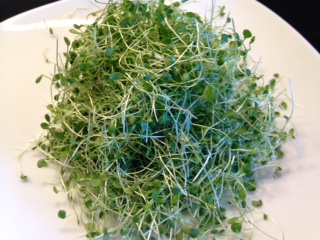
Broccoli sprouts contain a high amount of the cancer-busting and immune boosting substance sulforaphane. They are also abundant in quercetin, glutathione, beta carotene, indoles, vitamin C, lutein, glucarate, and the metabolic substance DIM, which is a natural aromatase inhibitor.

Broccoli sprouts are rich in cholesterol reducing fiber and have anti-viral and anti-ulcer activity. They are also a super source of chromium that helps regulate insulin and blood sugar.


Watercress Sproutswatercress-sprouts

Sometimes called peppergrass, watercress is delicious and pungent. It is also one of the most nutrient-dense foods known. It is rich in beta-carotene and other carotenoids, including lutein. Watercress also offers significant quercetin, EGCG (Epigallocatechin Gallate), flavanols such a kaempferol, lycopene, idole-3 carbinol (13C), sulforaphane, as well as DIM. It is a good source of riboflavin, vitamin C, A and K, calcium, magnesium, vitamin E, and contains trace amounts of omega 3’s. Watercress is one of the best food sources of iodine for vegans.

Watercress also contains a high amount of PEITC (phenylethylisothiocyanate) which has been shown to protect DNA from damage. PEITC reduces the growth of breast cancer cells, triggers apoptosis (cancer cell death), and decreases angiogenesis. It inhibits the growth of HER2 expression as well as cancer metastasis.

PEITC (also found in some other cruciferous vegetables, including broccoli) deactivates mutant p53 in tumor cells but leaves normal p53 alone. P53 regulates cell division by keeping cells from growing and dividing too fast or in an uncontrolled way. A mutation in p53 is a permanent change in the nucleotide sequence of DNA. Loss of p53 function can be deleterious, and about 50% of all human cancers have a mutated p53 gene.

Watercress has antioxidant, antigenotoxic (the process by which chemical agents damage genetic information within a cell causing mutations), and anti-inflammatory properties.

Studies show that a regular intake of watercress has been associated with protection against breast, colon, and other cancers.

Watercress and broccoli affect all stages of cancer: initiation, proliferation, and metastasis. So, what’s not to love about these sprouts? Plus, it is a lot easier to consume a handful of sprouts than it is to down a pound and a half of broccoli or an enormous plate of watercress– which, for example,  is the amount it would take to get an equivalent amount of sulforaphane.

Add sprouts to your smoothies; use on sandwiches, on top of pizza, in salads, and as a garnish for soups. I make wonderful gluten-free pizza crusts using cauliflower or garbanzo bean flour, and pile the pizza high with arugula and sprouts just before serving.  Yum!

Just a reminder that while  eating cruciferous vegetables is a important for optimal health, and may support you during the COVID-19 pandemic. Choose to consume cruciferous vegetables (broccoli, Brussels sprouts, radish, and kale). It is necessary to have sufficient iodine in the diet when consuming high quantities  (including DIM).

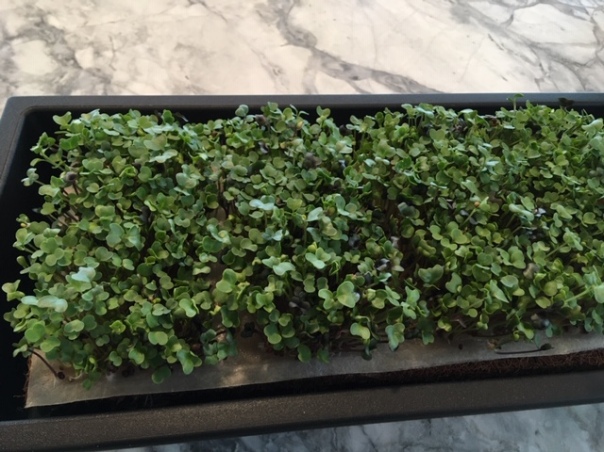
Can’t find sprouts locally or worried about others handling your raw vegetables?  Grow your own. You can grow your own sprouts and now it is easier than ever (no changing the water several times a day, just add water to the tray day one and done. Here is my first tray of Hamama salad green sprouts.. Next up are broccoli sprouts.  Order your own Hamama sprout kit.

Hamama Sprouts

Hamama Salad Green Sprouts

Here is a great book if you wish to learn more about growing your own sprouts: Year-Round Indoor Salad Gardening: How to Grow Nutrient-Dense, Soil-Sprouted Greens in Less Than 10 days

Curcera-SGS is an excellent supplement if you cannot find or grow broccoli sprouts.

Found this article helpful? Please let the elves know:

In your everlasting good health,

Elyn

~~If you don’t know your options, you don’t have any~~

Elyn Jacobs is a breast cancer survivor and holistic cancer strategist who helps people make better, healthier, non-toxic choices. She emphasizes the critical nature of addressing the root cause of cancer and not just its presenting symptoms (such as the tumor). Elyn specializes in understanding the role of estrogen in breast cancer and debunks the myths associated. She is a Contributing Editor for The Truth About Cancer and was creator and host of the Survive and Live Well Radio Show on the Cancer Support Network. Elyn is on the Medical Advisory Board for BeatCancer.Org and is on the Advisory Board to the Radical Remission Project. Elyn was the former Executive Director of the Emerald Heart Cancer Foundation. Contact Elyn via her website. Elyn offers consults via Skype, phone or in person.

Follow Elyn on Facebook
Follow Elyn on LinkedIn

 DISCLAIMER:
Elyn Jacobs does not provide medical advice. The information provided is for general information only. No online site should be used as a substitute for personal medical attention.

This information is for educational purposes only and is not a recommendation to forgo medical advice and treatment.  This post is not intended to treat, cure, prevent, or diagnose any disease or condition. This post does not represent medical advice nor should it be considered to be medical advice or a replacement for medical advice.  I encourage you to discuss this information with your integrative oncologist, naturopathic doctor, or conventional oncologist. The information provided is from my research and not to be taken as scientific evidence.

Affiliate Links Disclosure:

Some product links on some posts are affiliate links. This website is monetized in part through the use of affiliate links. This means that if you were to click on a link that is an affiliate link and purchase an item after clicking on that link, I may receive a small percentage of the sales price. I only recommend products that I love and use often. Thank you for your support!

carl-o-helvie-lung-cancer-book

You Can Beat Lung Cancer: Using Alternative Interventions

#1 Best Seller on Amazon for Lung Cancer Books

Organic Skin Care: The Fix Your Skin’s 2017 Expert Roundup

In organic skin care, Uncategorized on February 24, 2017 at 4:39 pm

I was recently asked by the online skin care and wellness website Fix Your Skin to give my recommendations for tips for organic skin care. They asked over 200 experts for their top 3 tips, and I was more than happy to contribute. Most women don’t realize that what we put on our body is just as important as what we put in it. Chemicals in personal care products come with a plethora of carcinogenic chemicals.

fix-your-skin-expert-roundup-1058x574

Overall, we said that hydration, organic skin care, and diet were most important. Below are my tips, but don’t forget to check out all the other expert tips.

1. Keep Hydrated. Drink plenty of spring or filtered water every day. This will plump to help smooth wrinkles and avoid dark circles under the eyes. Proper hydration will also help to flush out toxins from your body that are not only bad for the body in general, but will accelerate the aging process. Eating plenty of organic fruits and vegetables will help to keep you hydrated and will give your skin the vitamins and minerals it needs for healthy, vibrant skin.
2. Avoid too much direct sun exposure (some is good for mind, body, and soul). While the sun’s rays will allow your body to make anticancer, pro-health vitamin D, too much will age the skin.
3. Use organic, non-toxic beauty products. Chemical based products contain harmful ingredients that increase your risk of cancer and harm your skin. Gone are the days of smelly products that don’t work. Some of my favorites are Derma-e, Naturopathica, and Mineral Fusion.

But don’t forget, good sleep is essential too!

View the entire article Fix Your Skin 2017 Expert Roundup

Elyn

~~If you don’t know your options, you don’t have any~~

Elyn Jacobs is a breast cancer survivor and holistic cancer strategist who helps people make better, healthier, non-toxic choices. She emphasizes the critical nature of addressing the root cause of cancer and not just its presenting symptoms (such as the tumor). Elyn specializes in understanding the role of estrogen in breast cancer and debunks the myths associated. She is a Contributing Editor for The Truth About Cancer and was creator and host of the Survive and Live Well Radio Show on the Cancer Support Network. Elyn is on the Medical Advisory Board for BeatCancer.Org and is on the Advisory Board to the Radical Remission Project. Elyn was the former Executive Director of the Emerald Heart Cancer Foundation. Contact Elyn via her website. Elyn offers consults via Skype, phone or in person.

Follow Elyn on Facebook
Follow Elyn on LinkedIn

Epstein Barr Virus and the Development of Cancer

In Alternative Cancer Therapies, Alternatives Cancer Treatment, Anticancer foods, foods for colon cancer, foods for breast cancer, Breast Cancer, Uncategorized on January 24, 2017 at 4:02 pm

The Epstein-Barr Virus (EBV) is one of the most common viral infections in humans. It is also one of the most prolific–over 95% of adults carry this virus. While originally linked to lymphoma, subsequent research has linked EBV to stomach cancer, nasopharyngeal cancer, and many others, including breast cancer.

Once you are infected with EBV, it remains dormant in the body forever, often asymptomatic. For some, this will not be a problem.  For others, it can result in long-term consequences, including dramatically raising one’s risk of cancer as well as aggressive progression of the disease.

When reactivated, EBV can present with symptoms such as cold sores or flu-like symptoms. But again, often there are no symptoms—yet the virus is at work, leaving genetic scars on our cells. Molecules produced by EBV can send infected cells into overdrive, telling them to keep dividing.  Importantly, EBV does not initiate cancer on its own — there are other elements at play. It is a combination of genes and diet along with the EBV infection that create the perfect storm for cancer.

Herpetic viruses such as EBV are so often behind autoimmune disorders such as lupus, MS, and Hashimoto’s thyroiditis. Hence, many with autoimmune issues will also develop cancer.

The Immune System is Our First Line of Defense Against Infections

With EBV, it can also be a bit of the chicken and the egg theory.  Fighting the infection itself could exhaust the immune response, which might hinder detection and destruction of cancer cells, allowing them to replicate.  Or, it could be that an already weak immune system, combined with a poor diet, leaves the door open to infection and flare-ups of dormant Epstein Barr and the development and progression of cancer.

Researchers are working on ways to uncloak the virus to immune cells in hopes that this will rid the body of EBV, rather than leave dormant infection around to cause problems. Will that mean another controversial vaccine? Possibly.

Food Matters

UPDATE: Please read this new post, What You Need to Know About EBV and Cancer

However, there are many natural substances that can suppress viral reactivation. For more information on EBV and its link to cancer, please read the following article I wrote for The Truth About Cancer: Epstein Barr Virus Connection to Breast Cancer & Autoimmune Disorders. In it you will also learn about the triggers for reactivation as well as the dietary choices, supplements, and herbs that suppress the EBV and help your body defend itself against cancer.

You may also wish to read this excellent book by Anthony William:

Medical Medium Thyroid Healing: The Truth behind Hashimoto’s, Graves’, Insomnia, Hypothyroidism, Thyroid Nodules & Epstein-Barr


Found this article helpful?  Please let me know.

Elyn

~~If you don’t know your options, you don’t have any~~

Elyn Jacobs is a breast cancer survivor and holistic cancer strategist who helps people make better, healthier, non-toxic choices. She emphasizes the critical nature of addressing the root cause of cancer and not just its presenting symptoms (such as the tumor). Elyn specializes in understanding the role of estrogen in breast cancer and debunks the myths associated. She is a Contributing Editor for The Truth About Cancer and was creator and host of the Survive and Live Well Radio Show on the Cancer Support Network. Elyn is on the Medical Advisory Board for BeatCancer.Org and is on the Advisory Board to the Radical Remission Project. Elyn was the former Executive Director of the Emerald Heart Cancer Foundation. Contact Elyn via her website. Elyn offers consults via Skype, phone or in person.

Follow Elyn on Facebook
Follow Elyn on LinkedIn


Why You Need to Know About IP-6 if You Have Cancer

In Alternative Cancer Therapies, Alternatives Cancer Treatment, Anticancer foods, foods for colon cancer, foods for breast cancer, Uncategorized on December 17, 2016 at 5:38 pm

ip6The B-vitamin inositol and its derivative IP-6 (Inositol hexaphosphate) is an anti-oxidant with many health benefits for human health. It is important for regulating vital cellular functions such as signal transduction, cell proliferation, and differentiation. IP-6 offers significant protection against cancer and it also helps to lower cholesterol, prevent kidney stones, support elimination of fat from the liver, and reduce the complications of cardiovascular disease.

Recently IP-6 has received much attention for its role in cancer prevention and control of tumor growth, progression, and metastasis. IP-6 works by increasing your body’s Natural Killer Cell activity. NK cells target cancerous cells as well as invaders such as virus, bacteria, fungus, and molds. NK cells are also a part of the Th1 immune system, which is commonly depressed in cancer patients. IP-6 has also shown to revert cancer cells back  to normal by its ability to increase the differentiation of malignant cells.

IP-6 is a selective agent against cancer cells. Cancer cells are high in iron content, so IP-6 directs most of its attention to abnormal cells since IP-6 acts as a selective iron chelator. It removes iron from tumor cells (stealing one of its major food sources) which deprives them of their primary growth factor. Importantly, IP-6 does not remove iron from red blood cells which are tightly bound to hemoglobin. Therefore, unlike cancer drugs, healthy cells are not affected by IP-6.

IP-6 and Tumor Suppressor Genes
IP6 has been shown to alter the expression of proteins produced by the p53 (TP53) and p21 genes (cancer suppressor genes) that control cancer growth.

The p53 gene regulates cell division by keeping cells from growing and dividing too fast or in an uncontrolled way. Inactivation of the p53 tumor suppressor is a frequent event in tumorigenesis. In most cases for those with cancer, the p53 gene is mutated, and the accumulation of those mutated proteins is regarded as a hallmark of cancer cells. Mutated P53 cannot regulate cell growth and division effectively. Specifically, the altered protein is unable to trigger apoptosis in cells with mutated or damaged DNA. As a result, DNA damage can accumulate in cells (this is common with CHEK2 mutations).

When the DNA in a cell becomes damaged by things such as toxic chemicals or radiation, P53 plays a critical role in determining whether the DNA will be repaired or the damaged cell will self-destruct (undergo apoptosis). If the DNA can be repaired, p53 activates other genes to fix the damage. If the DNA cannot be repaired, this protein prevents the cell from dividing and signals it to undergo apoptosis. By stopping cells with mutated or damaged DNA from dividing, p53 helps prevent the development of tumors.

Mutant p53 proteins not only lose their tumor suppressive activities but often escalate the development of cancerous tumors by providing them with growth and survival mechanisms. Interestingly, mutations in the p53 gene were shown to occur at different phases of the cancer process, contributing to tumor initiation, promotion, aggressiveness, and metastasis.
P21 is controlled by p53, and can be significantly correlated with lymph node metastasis, distant metastases, advanced TNM stage (a classification of cancer staging that stands for: tumor size, describing nearby lymph nodes, and distant metastasis), depth of invasion, and overall survival rate. To read more on p53, click HERE.

IP-6 also inhibits MMP-9 secretions. Matrix metalloproteinase-9 (MMP-9) plays important roles in tumor invasion and angiogenesis. Secretion of MMP-9 has been reported in various cancer types including lung cancer, colon cancer, and breast cancer.

Circulating Tumor Cells

It is important to remember that it is not the primary tumor that kills us, but rather the metastatic disease post-treatment that kills us. When cancer spreads to other areas in the body it is called metastasis. In order to spread, a cancer cell must first detach from the primary cancer and move though the wall of a blood vessel to get into the bloodstream.
These mobile cancer cells are called circulating tumor cells (CTCs). When CTC’s enter the bloodstream, the circulating blood sweeps them along until they stick somewhere, usually in another opportunistic position that enables it to lodge and multiply.
This is a complicated journey as the immune system is designed to rid the host of these cells. Therefore, some of the time CTC’s are not problematic. However, in a host (you) with cancer and therefore with the likelihood of a weak or dysfunctional immune system, well, you can see how the risk increases. (A simple blood test can determine the existence of circulating tumor cells in the body. At this time, the only lab I know of that will readily offer this test is Quest Diagnostics. If your insurance company does not use Quest, you may need to petition them for it.)
Hence, reducing circulating tumor cells (CTC’s) and using other strategies to prevent metastases should be the focus of treatment once individuals have treated the primary tumor and are addressing the primary cause of the dis-ease. IP-6 seems to be the new kid on the block when it comes to targeting CTC’s (along with Modified Citrus Pectin*).

It is well known that the potent antioxidant and immune enhancing properties of IP6 can play a vital role in the prevention and treatment of cancer cells. Yet sadly IP-6 goes unused as a cancer treatment, which makes no sense. Further, IP-6 enhances the efficacy of cancer drugs such as Adriamycin (a popular chemotherapy) and tamoxifen. Yet again, it goes unused by the traditional medical community even as an adjunct therapy.
It is up to you, the educated patient, to be sure you are taking advantage of all that is available to you to heal from your cancer.

Summary of IP-6 benefits:
• Inhibits cell proliferation and progression
• Helps stop cancer growth
• Induces differentiation of malignant cells
• Supports the p21 and p53 genes (tumor suppressor genes) that control cancer growth
• Inhibits metastasis by interfering with the CTC adhesion, migration, and invasion
• Induces apoptosis (cell death) in many cancer cell lines
• Inhibits angiogenesis (new blood vessel growth for tumors)

IP-6 is easily absorbed into the gastrointestinal tract and has been found to be safe. It can be found in many plant sources and in high-fiber foods such as seeds, bran, cereals and legumes. It can also be taken in supplement form. You can find IP-6 in most health and drug stores. Please be sure to buy a reputable brand. For your convenience, you can find IP-6 here on Amazon.

*Modified Citrus Pectin (MCP): Helps with detoxification and inhibits circulating tumor cells (CTC’s) from latching onto the lining of blood vessel walls, reducing the risk of metastases.

https://www.ncbi.nlm.nih.gov/pubmed/17044765
https://www.ncbi.nlm.nih.gov/pubmed/14608114
https://www.ncbi.nlm.nih.gov/pmc/articles/PMC3135636/
https://www.ncbi.nlm.nih.gov/pmc/articles/PMC3126032/
https://www.ncbi.nlm.nih.gov/pmc/articles/PMC2722839/

Found this article helpful?  Please let me know.

Elyn

~~If you don’t know your options, you don’t have any~~

Elyn Jacobs is a breast cancer survivor and holistic cancer strategist who helps people make better, healthier, non-toxic choices. She emphasizes the critical nature of addressing the root cause of cancer and not just its presenting symptoms (such as the tumor). Elyn specializes in understanding the role of estrogen in breast cancer and debunks the myths associated. She brings a plethora of knowledge to her practice and will help you think outside the box so you can incorporate every lifeline you may need for long term survival. Elyn is a Contributing Editor for The Truth About Cancer and was creator and host of the Survive and Live Well Radio Show on the Cancer Support Network. She is on the Medical Advisory Board for BeatCancer.Org and is on the Advisory Board to the Radical Remission Project. Contact Elyn via her website. Elyn offers consults via Skype, phone or in person.

Elyn does not endorse alternative modalities as a cure for cancer. She provides information solely for educational purposes only.
Follow Elyn on Facebook
Follow Survive and Live Well on Twitter
Follow Elyn on Linkedin

Energy Healing Holiday Special

In Alternative Cancer Therapies, Uncategorized on December 14, 2016 at 8:02 pm

Wondering what Energy Healing can do for you? April Fontana, known as The Oracle Healer, is offering a great special right now. Get 20 mini sessions (tune ups) and one remote healing for just $800. As you may remember, April was on my healing team and still is–for me and my family. This offer is limited to the first 10 people who sign up. For more information, please contact April Fontana.


april

Want more information on Alternative Therapies? Visit my Alternatives Page.

Want to read how alternatives helped me to heal?  Read my Story.

Elyn
~~If you don’t know your options, you don’t have any~~
Elyn Jacobs is a breast cancer survivor and holistic cancer strategist who helps people make better, healthier, non-toxic choices. She emphasizes the critical nature of addressing the root cause of cancer and not just its presenting symptoms (such as the tumor). Elyn specializes in understanding the role of estrogen in breast cancer and debunks the myths associated. She brings a plethora of knowledge to her practice and will help you think outside the box so you can incorporate every lifeline you may need for long term survival. Elyn is a Contributing Editor for The Truth About Cancer and was creator and host of the Survive and Live Well Radio Show on the Cancer Support Network. She is on the Medical Advisory Board for BeatCancer.Org and is on the Advisory Board to the Radical Remission Project. Contact Elyn via her website. Elyn offers consults via Skype, phone or in person.

Elyn does not endorse nor does she benefit from alerting her readers to alternative modalities. She provides information solely for educational purposes only. 

Follow Elyn on Facebook

Follow Survive and Live Well on Twitter

Follow Elyn on Linkedin