Certain phytonutrients found in raspberries can protect us from cancer and can even shrink some types of cancer tumors.
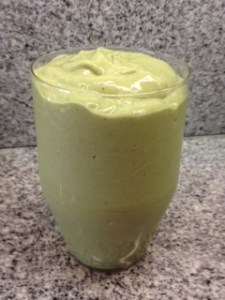
Mango Smoothie
Raspberries contain ellagitannins, one of the most powerful antioxidants known. Ellagitannins occur naturally in over forty different foods, but are found in abundance in raspberries, strawberries and pomegranate. However, red raspberry seeds, and the Meeker variety in particular, appear to be the most concentrated source of this beneficial phenolic complex. Interestingly, the seeds of the fruit contain more ellatitannins than the fruit itself.
Ellagitannins are large flat molecules found in the fruit and seeds of many fruits. Ellagitannins are water-soluble, making them easy for the body to absorb. After consumption, stomach acids convert these ellagitannins into ellagic acid. It is important to know that as such, that ellatitannins should be obtained from food, not as supplemental ellagic acid.
There has been much research into ellagic acid. Its value as a potent anti-oxidant and its value in fighting cancer is widely accepted. Ellagic acid has been shown to keep cancer cells from dividing and multiplying and eventually helps to kill the cancer. Ellagic acid inhibits angiogenesis—a term used to describe the development of blood vessels needed for tumor growth. It also encourages apoptosis (cancer cell death.) Ellagic has been quite successful against esophageal, breast, colon, prostate, and skin cancer. Studies have shown that ellagic acid may help prevent the development of cancer in cells infected with the human papilloma virus, which has been linked to cervical cancer.
Ellagitannins may also support healthy cholesterol levels and have anti-fungal, anti-viral, anti-bacterial properties. Red Raspberry Seed Powder
Ellagic acid works in many wonderful ways:
Powerful antioxidant– it neutralizes cell damaging free radicals
Protects the p53 tumor suppressor gene. The P53 gene causes cell reproduction to cease, and cells to die
Protects DNA from the mutations that cause cancer
Stops cancer cell proliferation
Induces cancer cell death
Lowers inflammation
Slows tumor growth
Targets cancer stem cells: Cancer stem cells not only survive most conventional treatments, but are responsible for recurrent and progressive disease
Inhibits the growth of oral, breast, colon, cervical, and prostate tumor cell lines
Supports healthy cholesterol levels
Has anti-fungal, anti-viral, and anti-bacterial properties
Don’t overlook another amazing type of raspberry—black raspberries
Studies show that black raspberries kill cancer cells and activate tumor suppressor genes.
Blueberry smoothie
The phytonutrients in black raspberries have been found to inhibit cervical cancer cell growth and tumor formation, inhibit inflammation and induce apoptosis in esophageal and colorectal cancer tissues (strawberries are also highly effective against esophageal cancer cells). While it can be challenging to find fresh or even frozen black raspberries, it can be purchased in powder form–and is delicious in smoothies! Black Raspberry Powder
~~If you don’t know your options, you don’t have any~~
Elyn Jacobs is a breast cancer survivor and holistic cancer strategist who helps people make better, healthier, non-toxic choices. She emphasizes the critical nature of addressing the root cause of cancer and not just its presenting symptoms (such as the tumor). Elyn specializes in understanding the role of estrogen in breast cancer and debunks the myths associated. She brings a plethora of knowledge to her practice and will help you think outside the box so you can incorporate every lifeline you may need for long term survival. Elyn is a Contributing Editor for The Truth About Cancer and was creator and host of the Survive and Live Well Radio Show on the Cancer Support Network. She is on the Medical Advisory Board for BeatCancer.Org and is on the Advisory Board to the Radical Remission Project. Contact Elyn via her website, www.elynjacobs.com. Elyn offers consults via Skype, phone or in person.
Online course for people struggling with cancer or another chronic disease
If you or a loved one have been diagnosed with cancer or another chronic illness, you know firsthand the confusion that surrounds many traditional and non-traditional therapies.The media is reporting some pretty scary statistics about cancer and chronic illness, essentially, Americans seem to be getting sicker and sicker.How do you know who you can even trust let alone figure out what is the right choice of therapies and medicine for you or your loved one? Is there such a thing as common sense medicine these days and are we capable of actually loving the medicine we choose?
Yes there is, and I’m so pleased to be able to introduce you to a woman who has spent the past 3 decades researching about integrative, nutritional, mind-body therapies, and self-healing methodologies – or what she refers to as “common sense medicine.” Twenty-eight years ago Prudence Sinclair was diagnosed with stage 4 malignant melanoma and was given only 6 months to live.
She is literally living proof that we all have the power to heal ourselves and shape our destinies. Prudence is on a mission to flip cancer and disease on its head and she’s created a riveting 6-week online teaching and mentoring program to help you heal your life. In this course she shares many of the tools and techniques she used 28 years ago to heal herself of malignant cancer.
If you or a loved one are feeling scared, anxious or overwhelmed, I urge you to sign up for Prue’s amazing program. It is, quite literally, life changing.
Learn more and get a sneak peek at the 6-week program – jam-packed with 25 modules, worksheets, videos and mp3’s. Download the freebies – mp3’s created by Prudence especially for you to help heal your life.
Also, I am pleased to announce a special 30% discount is available right now and an extra 10% will be applied when you Click Here. That’s a total of 40% off her program for the next 10 days. Special discount ends April 26th, 2016.
Become CEO of your health and healing; don’t miss this amazing opportunity.
My colleague Kelly Turner PhD is offering a new online course, “Radical Remission: Applying the 9 Healing Factors Into Your Own Life”. This is an opportunity you will not want to miss.
Book now! It’s 20% off only until April 1st, and my followers will get an extra 10% off if they sign up with this link: I encourage you to check it out! The regular course price is $245, but if you book by April 1st, the price is only $175.
This discount offer has expired, but the course is still available.
You may also want to read Dr Turner’s book, Radical Remission: Surviving Cancer Against All Odds. This is a much overdue book, one that brings awareness and validity to the true extent of radical remissions—remission achieved without the use of conventional medicine or even after conventional medicine has failed. Turner shows that there really is hope, even in situations that seem hopeless. You will learn that there are options well beyond the ‘white coat’, and that the possibilities for healing are more abundant than we have been told. I love that Turner explains that there are a vast variety of paths to wellness. She also lists the 9 commonalities that people have used to heal from their cancer–factors such as diet, stress, emotions, spirituality, and others that profoundly affect our health and well-being. Listen to Dr Turner on my radio show.
~~If you don’t know your options, you don’t have any~~
Elyn Jacobs is a breast cancer survivor and holistic cancer strategist who helps people make better, healthier, non-toxic choices. She emphasizes the critical nature of addressing the root cause of cancer and not just its presenting symptoms (such as the tumor). Elyn specializes in understanding the role of estrogen in breast cancer and debunks the myths associated. She brings a plethora of knowledge to her practice and will help you think outside the box so you can incorporate every lifeline you may need for long term survival. Elyn is a Contributing Editor for The Truth About Cancer and was creator and host of the Survive and Live Well Radio Show on the Cancer Support Network. She is on the Medical Advisory Board for BeatCancer.Org and is on the Advisory Board to the Radical Remission Project. Contact Elyn via her website, www.elynjacobs.com. Elyn offers consults via Skype, phone or in person.
Phytoestrogens such as flax seed are cancer-preventive, not causative. Regular consumption of flax seed helps prevent breast cancer, reduces tumor growth, inhibits the progression of the disease, and dramatically increases survival time.
Your Doctor is Wrong
Many doctors tell their patients to avoid flaxseed as they believe that phytoestrogens are bad for women with breast cancer. The ‘logic’ behind the notion that flax is a weak estrogen and therefore could potentially stimulate hormone dependent cancers is simply, well, not logical. On the contrary, studies have found that the more flaxseed a woman eats, the less likely she will get breast cancer. If she has already been diagnosed, flaxseed has the potential to reduce the growth and invasiveness of her cancer.
While it is true that a high concentration of plasma estrogen is associated with breast cancer, the lignans in flaxseed actually help reduce estrogen’s effects. Phytoestrogens compete with natural estrogen for binding to the receptors on breast cells, yet they exert much milder action than the body’s own estrogen. While the chemotherapy drug tamoxifen also blocks estrogen receptors, it comes with a host of dangerous side effects.
One of the other ways the tamoxifen works is by starving the tumor of its blood supply. However, once again, researchers have found that flaxseed provides the same response.
A landmark study led by lignin expert Dr Lilian Thompson, a professor in the Department of Nutritional Sciences at the University of Toronto, showed that just two tablespoons (25 grams) of flaxseed daily can significantly reduce tumor growth. The researchers further concluded that the effect of flaxseed on cancerous cells was comparable to that of tamoxifen, sans the side effects.
In this infamous study, women with newly diagnosed breast cancer were given either a muffin laden with 25 grams of flaxseed or a placebo muffin that did not contain flax. The researchers found that in those participants who had eaten the flax muffin there was a 34% reduction of the Ki-67 index expression (a cellular marker for proliferation) a 71% decrease in Her2/Neu expression (Her2/neu is a genetic marker that predicts the aggressiveness of the cancer) and a 30.7% increase in apoptosis (cell death). Mighty impressive results.
When the tumors were removed, the researchers found that the women who had eaten the flax seed muffins had slower-growing tumors than the others. And what is really cool is that the researchers found that the effect of flax on the cancerous cells was comparable with that seen using chemotherapy (tamoxifen).
Flaxseed inhibits breast cancer whether the tumor is estrogen receptor positive or negative, and the response is dose-dependent. The more flax you consume, the more effective it will be. In fact, one study determined that women who eat the most flax reduce their risk of developing breast cancer by a whopping 62 percent!
Key Benefits of Flaxseed
Decreases cell proliferation rates
Significantly reduces tumor growth
Decreases angiogenesis and increases apoptosis (which seem to account for the decreased tumor growth)
Influences ER-negative and ER-positive tumors by decreasing insulin-like growth factor-1 (IGF-1), epidermal growth factor receptor (EGFR), HER2 and the vascular endothelial growth factor (VEGF) which supports angiogenesis
Reduces metastasis of ER-negative breast tumors
ALA from flaxseed reduces growth of breast cancer, including ER-negative and triple-negative breast cancer
Rich in Omega 3’s with have been found to positively influence the tumor suppressor genes—BRCA. When properly functioning, these genes prevent tumor growth by repairing DNA
Radio-protective (consuming flax can help prevent the body from damaging mammograms, radio-therapy, CT and PET scans)
Some of the studies suggest two tablespoons daily is enough, but others recommend slightly more than three. Interestingly, the summer before my re-diagnosis, I cut back on consumption. This past summer, however, I not only consumed flax — I consumed a great deal of it. Most days I had 5-8 tablespoons. I hadn’t originally thought about this when I was considering what, of all the things that I did, turned my cancer around. Now that I look back, it could very well be that flax was a key player.
So how exactly did I end up eating so much flaxseed? If you remember my post on Food Fatigue, I suddenly had a hankering for pizza, made with a garbanzo bean crust as I had given up wheat. It wasn’t long before I used that crust to make ‘toast’ to go with my eggs, and before long, I modified that crust to be mostly flax (and some chia seeds too!). Since then I have come up with some amazing recipes, so look for Part II for those.
Clearly oncologists should be advising their patients to eat copious amounts of dietary flax. I am not a doctor and this is not medical advice, but you might want to consider including flax in your daily diet. Flaxseed is only one of the components of an anti-cancer, estrogen management protocol, but it is an important one.
Remember that flaxseed oxidizes quickly, turning it rancid. To ensure the stability and nutritional value of flax, please grind the seeds just prior to use. This can be easily done in a simple coffee grinder.
If you are interested in learning about natural alternatives to tamoxifen and aromatase inhibitors, please contact me for more information.
Nothing in this post is intended to be medical advice, nor is it a replacement for medical advice. This information is for educational purposes only. It is not intended to treat, cure, prevent or diagnose any diseases or conditions. Always consult with your medical team before making treatment choices.
Elyn
~~If you don’t know your options, you don’t have any~~
Elyn Jacobs is a breast cancer survivor and holistic cancer strategist who helps people make better, healthier, non-toxic choices. She emphasizes the critical nature of addressing the root cause of cancer and not just its presenting symptoms (such as the tumor). Elyn specializes in understanding the role of estrogen in breast cancer and debunks the myths associated. She brings a plethora of knowledge to her practice and will help you think outside the box so you can incorporate every lifeline you may need for long term survival. Contact Elyn via her website, www.elynjacobs.com. By doing so you can ascertain exactly how she is able to assist you as you optimize your health. Elyn offers consults via Skype, phone or in person.
Could it be that oncologists are missing the key to cancer recurrence and progression? Could this be why there are so many repeat customers?
For over forty years oncologists have considered tumor reduction and remission as measures of successful treatment. Are they misguided in placing so much emphasis on this parameter?
During a recent episode of my radio show, Survive and Live Well, Dr Michael Schachter shared his views on Cancer Stem Cells (CSCs)–Cancer Stem Cells are at the forefront of the theory behind the reason conventional treatment often fails. The following is a summary of the show. To replay the podcast, please visit Cancer Stem Cells.
Dr Schachter explained that the issue of cancer stem cells goes way back to around 1910, though the term wasn’t used then. John Beard MD, PhD, a brilliant Scottish embryologist, proposed the Trophoblastic Theory of Cancer at that time. According to Dr. Beard, during embryological development, 80% of the cells destined to become germ cells migrate to the gonads (male testes and female ovaries). About 20% of these totipotent (immature) germ cells migrate to different areas of the body and remain dormant. These are today’s modern day stem cells that are mobilized to repair damaged tissue. However, when stem cells become dysregulated (impaired), they can become modern day cancer stem cells. This concept was further developed and brought up to date by cancer clinician and researcher, Nicholas Gonzalez MD, in his brilliant book, The Trophoblast and the Origins of Cancer, which was published in 2010.
Recent research on cancer stem cells has established some amazing facts. Although CSC’s constitute only 1 to 5% of the cancer cells within a tumor, they are the only cancer cells that metastasize to other parts of the body. CSC’s are resistant to radiation and chemotherapy and actually stimulated to grow faster and more vehemently when radiation and/or chemotherapy are used. It is believed that cancer mortality is directly related to cancer stem cell activity (proliferative and metastatic).
Don’t be misled into thinking that tumor reduction guarantees that you are making progress with respect to overcoming the disease, as you may not be. Shrinking a tumor by killing the less damaging cancer cells (the non-stem cells) with chemo and/or radiation may NOT improve long term survival and may increase the likelihood that these cancer stem cells will metastasize, allowing them to regenerate tumors elsewhere in the body. So although you may get an 80% reduction in tumor bulk, you are not targeting the most dangerous of the cells.
Another very important point covered was that CSCs are stimulated to grow by inflammatory factors related to various stressors on the body:
Various psychological losses result in secretion of Interleukin 6, which stimulates the growth of CSCs
Trapped emotions can stimulate cancer stem cells to regroup, which is yet another reason emotional stress is undoubtedly a major cause of cancer and it recurrence (see below for remedies)
Dying cancer cells emit the cytokines, Interleukin 6 and Interleukin 8, which stimulates cancer stem cells to proliferate. They stimulate normal stem cells to repair tissue damage, but stimulate cancer stem cells to grow
Releasing trapped emotions and eliminating the bonds you have with events and people so you can leave such negative emotions in the past can play a major role in healing. There are many ways to do this:
EFT tapping: a form of psychological acupressure that helps resolve emotional issues, cleaning out past traumas that contribute to dis-ease
Psychotherapy: an approach to wellness that recognizes the interconnection between mind, body and spirit
Energy work such as Qi Gong, Reiki, meditation, and distant energy healing such as the Oracle Method
Emotion Code: an energy technique that helps facilitate the release of trapped negative emotions
While the drug Celebrex, a non-steroidal anti-inflammatory drug (or NSAID), inhibits inflammation and reduces stimulation to cancer stem cells, it has many dangerous adverse side effects associated with its use. A similar drug, Vioxx, was taken off the market after causing thousands of heart attacks. Fortunately many relatively non-toxic natural substances block inflammatory stimulation of CSC’s and Dr. Schachter advocates the use of many of these substances for cancer patients. Some examples of anti-inflammatory substances which can be found in capsule or liquid extract form are:
Curcumin
Thymoquinone from black cumin seed
Sulforaphane and other glucosinolates and isothiocyanates from cruciferous vegetables
Vitamin D
Boswellia or Frankincense
Parent Essential Fatty Acids (Linoleic Acid and Alpha Linolenic Acid)
The interesting thing about the recent introduction of the modern Cancer Stem Cell Theory into an understanding of cancer is that it was not developed by the ‘alternative’ world, but by very traditional conventional cancer researchers. For example, establishment oncologist and researcher Max Wicha MD (a former National Cancer Institute (NCI) researcher and the Founding Director Emeritus of the University of Michigan’s Comprehensive Cancer Center) is a pioneer in research on why cancers recur and spread to other parts of the body and has been a leader in the CSC theory. Dr Wicha has been doing research and conducting clinical trials that specifically target breast cancer stem cells, but he also has an interest in colon cancer and lung cancer as well. He has been involved in cancer research for 30 years and is currently involved with eight clinical trial involving CSCs. Some of Dr. Wicha’s lectures can be found on YouTube and can be found by searching this siteand via the links below. Some of the points made during his lectures are:
Standard cancer treatments not only often fail to eradicate cancer, but can sometimes make it worse
30% of breast and prostate CA patients have bone marrow metastases at the time of diagnosis
Breast cancer is driven by cancer stem cells
Only certain breast cancer cells (CSCs) would develop into cancer in immune suppressed mice
Cancer stem cells are dysregulated adult stem cells
One approach he has taken in his research with breast cancer stem cells is to develop patentable drugs that block the Interleukin 8 receptors on stromal and cancer stem cells; he thus remains very much in the mainstream of conventional oncology, which is not particularly interested in researching non-patentable natural substances that my play a role in inhibiting cancer stem cells
In at least one newspaper article, the reporter said that Dr Wicha indicated that he hoped breast cancer could be treated without chemotherapy– just making use of medications that target the stem cells. However, he quickly retracted this view and said that breast cancer patients and all cancer patients should follow the conventional standard of care for conventional cancer treatment and then if necessary, look for clinical trials that target cancer stem cells.
At this point in time, Dr. Schachter has not heard much from his cancer patients regarding any discussion about cancer stem cells with their conventional oncologists, many of whom believe this area is at best considered experimental.
With my clients I have also found there to have been a complete omission of the discussion of cancer stem cells with respective oncologists. I am always amazed that something so vital to successful outcome is not discussed along with a proposed treatment plan.
A few other researchers are doing research in cancer stem cells. One example is Maximilian Diehn MD, PhD of the Stanford University Medical Center who is an acclaimed researcher studying normal and cancer stem cell biology and its implications for cancer therapy.
Brad Weeks MD, who teaches other physicians about insulin potentiation therapy (IPT), a controversial treatment involving the use of insulin and low doses of chemotherapy, believes that no cancer patient should be treated without addressing cancer stem cells. He advocates the use of relatively non-toxic medications, such as Metformin and other anti-inflammatory strategies, such as non-inflammatory diets that avoid sugar and artificial chemicals in food. He also recommends various herbal supplements that are anti-inflammatory and that inhibit cancer stem cells.
Dr. Schachter is not an advocate of IPT at this time, but does utilize many of the anti-inflammatory strategies to inhibit cancer stem cells. He incorporates many relatively non-toxic substances to help the patient prevent and manage cancer without the use of toxic agents. During previous interviews on this program Dr. Schachter has discussed the use of Salvestrols, the use of fat soluble vitamins (like vitamins D, A and K2 (MK4), a therapeutic diet, stress management, exercise and various other factors that a cancer patient should incorporate into his/her comprehensive program. Please visit the Radio Show Archives for past shows with Dr. Schachter.
~~If you don’t know your options, you don’t have any~~
MEDICAL DISCLAIMER: Reading the information in this post does not constitute a physician-patient relationship. The information included in this post is for educational purposes only. It is not intended nor implied to be a substitute for professional medical advice. Always consult with your healthcare provider regarding a medical condition or any treatments.
Dr. Michael B. Schachter is a magna cum laude graduate of Columbia College and Columbia P&S Medical School in NYC. He is also a Board Certified Psychiatrist and a Certified Nutrition Specialist. Dr. Schachter has been involved with nutritional and integrative health care for 40 years. A leader in alternative cancer therapies, EDTA chelation and orthomolecular psychiatry, he is a past president of the American College of Advancement in Medicine (ACAM). He has authored numerous articles and was a major contributor to the large chapter about him in Burton Goldberg’s classic “Alternative Medicine Definitive Guide to Cancer”. His published 2010 paper “Integrative Oncology for Clinicians and Cancer Patients” helps to guide patients in developing a cancer treatment program. His latest article published in 2013 entitled “Integrating Nutrition and Selected Controversial Nutritional Supplements into a Cancer Treatment” is an abridged and updated version of his 2010 article. In 2010, Dr. Schachter received the Humanitarian Award from the Cancer Control Society in California. Dr. Schachter is the director of the Schachter Center for Complementary Medicine in Suffern, NY, which is located in Rockland County, about 45 minutes from New York City.
More information about Dr. Schachter and the Center are available at the Schachter Center Website. Many articles by Dr Schachter can be accessed from this site, including the two articles mentioned above.
Elyn Jacobs is a breast cancer survivor, professional cancer strategist, speaker, and the Executive Director for the Emerald Heart Cancer Foundation. Elyn empowers women to choose the path for treatment that best fits their own individual needs. She is passionate about helping others move forward into a life of health and well-being. Elyn has been featured on CNN Money, Talk About Health, and Breast Cancer Answers, is a contributor to The Truth About Cancer, and has written for the Pink Paper, Breast Cancer Wellness, Integrative Oncology Essentials, Surviving Beautifully, Body Local, Natural Health-Natural Wellness, and more. Elyn hosts the Survive and Live Well Radio Show on the Cancer Support Network. She is on the Medical Advisory Board for BeatCancer.Org and is on the Advisory Board to the Radical Remission Project. Elyn lives in New York with her husband and two young boys. https://elynjacobs.com/about/.
Replay the Survive and Live Well Radio Show Archives
In honor of Breast Cancer Awareness Month, and because I strive to spread the word that there are many options, but no one magic bullet for cancer, I would like to share some books that will empower you to be an active participant in your healing. No one treatment is right for all, and there are options well beyond what we are hearing from our doctors. There is no ‘best’ diet; it is not a question of trying to follow some ideal way of living based on other people’s experiences or insistence. Each of us is our own unique person, with our very own DNA, mutations, illnesses and restrictions, therefore each of us must find our own solution—a lifestyle and protocol that works for us. We each had our own path to cancer and therefore need our own path to wellness. While you will find that there are many common factors empowered patients have used to recover from cancer, you will find that the ‘answers’ to cancer vary tremendously. The goal is to find a protocol that gives you confidence that you will beat your cancer, survive and live well.
The following books are loaded with useful information and will aid you in your healing:
Radical Remission: Surviving Cancer Against All Odds, by Dr Kelly Turner, PhD. This is a much overdue book, one that brings awareness and validity to the true extent of radical remissions—remission achieved without the use of conventional medicine or even after conventional medicine has failed. Turner shows that there really is hope, even in situations that seem hopeless. You will learn that there are options well beyond the ‘white coat’, and that the possibilities for healing are more abundant than we have been told. I love that Turner explains that there are a vast variety of paths to wellness. She also lists the 9 commonalities that people have used to heal from their cancer–factors such as diet, stress, emotions, spirituality, and others that profoundly affect our health and well-being. Listen to Dr Turner on my radio show.
Not surprising, my all-time most popular post is the one I wrote a few years ago on Natural Alternatives to Tamoxifen—and there is a reason for this—people want safer options. Never overlook the power of nature’s medicine chest. You may also want to view my discussion on natural alternatives with Dr Kelly Turner:
The Whole-Food Guide for Breast Cancer Survivors: A Nutritional Approach to Preventing Recurrence , by Helayne Waldman and Edward Bauman, is an excellent guide for anyone seeking to understand the effect of nutritional and environmental factors on our risk for cancer and its recurrence. In this book you will learn how to incorporate cancer-fighting foods into your diet, clean up your self-care products, nourish your immune system, detoxify your body, and more. After I first heard Helayne speak at a conference, I immediately purchased this book–and it is fantastic. Listen to Helayne on my show: Modulating Hormones with Diet and Supplements.
Click here for more Survive and Live Well Radio Show replays.
Breast Cancer Tip: Have you tried rebounding? Rebounding benefits lymphatic circulation by stimulating the millions of one-way valves in the lymphatic system. This benefits the body’s immune capacity for fighting current disease, destroying cancer cells, eliminating antigens and preventing future illness. Rebounding also circulates more oxygen to the tissues (cancer hates oxygen), boosts the production of red blood cells, improves digestion and elimination, aids mental clarity, curtails fatigue and provides a host of other benefits. Plus, it’s good exercise, fun, and doesn’t have to be expensive–I have this one and it’s only about $60: Sunny Health & Fitness 40″ Foldable Trampoline with Bar.
I honestly do not believe that there is anyone out there who is not aware of breast cancer. We’ve all been affected in some way—mother, brother, sister, aunt, self—sadly the statistics are now that one in every three women will face breast cancer. Dedicating a month won’t change this much, but I do feel it helps people to bond, and I am sure that helps some to heal. And while the hype for all these ‘months’ is likely generated to bring in more donations—little of which will go towards bringing us the elusive cure, my hope is that the money gets to the right organizations where it can be effective.
Elyn
~~If you don’t know your options, you don’t have any~~
Elyn Jacobs is a breast cancer survivor, professional cancer strategist, speaker, and the Executive Director for the Emerald Heart Cancer Foundation. Elyn empowers women to choose the path for treatment that best fits their own individual needs. She is passionate about helping others move forward into a life of health and well-being. Elyn has been featured on CNN Money, Talk About Health, and Breast Cancer Answers and has written for the Pink Paper, Breast Cancer Wellness, Integrative Oncology Essentials, Surviving Beautifully, Body Local and more, and writes the Options for Life column for the Natural Healing-Natural Wellness Magazine. Elyn hosts the Survive and Live Well Radio Show on the Cancer Support Network. She is on the Medical Advisory Board for BeatCancer.Org and is on the Advisory Board to the Radical Remission Project. Elyn lives in New York with her husband and two young boys. https://elynjacobs.com/about/
This Post was updated on October 26th, 2016. To read the new version please Click Here.
So, the doctor told you that you need an aromatase inhibitor. Are you concerned about the side effects or the resulting effects? Or have you started on one and feel terrible? It might be time to look at alternatives. Just because your doctor prescribed an AI, doesn’t mean that it is right for you. Making the right decision for you, for your body, is bigger than just accepting doctor’s orders.
Aromatase inhibitors, drugs such as Fermara, Aromasin and Arimidex, stop the production of estrogen in postmenopausal women; more specifically, they block the enzyme aromatase, the enzyme responsible for the biosynthesis and balance of estrogens. As we age, our hormones become out of balance, and often make us more vulnerable to cancer. Estrogen can be metabolized in two different pathways in the liver, which results in two different kinds of estrogen, “good” and “bad” estrogen. “Good” estrogen metabolites are released into the bloodstream there they cause many of the benefits estrogen provides, such as prevention of heart disease, and strong, healthy bones. “Bad” estrogen, in large quantities, causes trouble. By blocking estrogen, less “bad” estrogen is available to stimulate the growth of hormone-receptor-positive breast cancer cells. However, this also means that you have less of the protective “good”. So, the question is, do they increase survival and prevent the cell mutations that contribute to cancer? Or do they come with too many resulting effects?
I remember when I first read about Tamoxifen; I learned that Tamoxifen does not increase survival; it’s just that you don’t die of your cancer, but rather the toxicity of the drug. Hum….what a trade off. It may well be the case with AI’s as well….or worse. Although AIs were found to prevent breast cancer recurrence, they were not found to prolong life, due to the resulting effects—as I like to call them—particularly the heart problems (think less “good” estrogen), and reduce quality of life due to the side effects, such as the never ending flu symptoms, hair thinning and loss, vaginal bleeding, skin rashes, joint pain, stiffness and swelling (severe enough to require pain medication), hot flashes and night sweats, vaginal dryness, nausea and headaches. Women may also feel tired and lethargic while on the drug, experience breathing difficulties, depression and mood swings, tightness in the chest, and again, because of the loss of the “good” estrogen, bone thinning (think broken bones). Osteoporosis is a major concern, and women should have the health of their bones checked before they begin aromatase therapy. If the bones are already showing signs of deterioration, an osteoporosis drug will probably be prescribed (more drugs, and drug interactions; wonderful).
Geez, where can I get some of this stuff? Okay, so is there a natural alternative to aromatase inhibitors?
Again, as I said in my post about Tamoxifen, there is not an easy answer. However, there are many powerful natural aromatase inhibitors in your local grocery store. Look for button mushrooms, celery, parsley, mushrooms, basil, artichokes, oranges, red grapes, onions, garlic, olives, olive leaves and extract and members of the cruciferous family. The key is to eat these foods every day, and several times a day—here’s where supplementation may be helpful if you can’t make this work with your schedule. Supplements can be in powered form or capsule, but as always, look for quality and choose organic when possible. Dindolylmethane (DIM) is a phytonutrient and plant indole found in cruciferous vegetables that has the ability to increase anti-cancer estrogen metabolites while decreasing cancer promoting estrogen metabolites; DIM can be taken in supplement form, and this is something I highly recommend. Juicing is also a great way to get these nutrients, as consuming more than one variety at a time, especially in the case of the crucifers, can increase the effectiveness of any one type. Keep in mind that the thousands of chemical compounds in plants, some known and some yet identified, work synergistically to provide antioxidant, anti-inflammatory and overall anti-cancer benefits, so eat a wide variety of fruits and veges each and every day, several times a day.
Feeling a bit dull? Spice up your food, herbs and spices contain powerful anticancer agents, and “hot” spices, such as cayenne pepper and mustard have been found to boost the cancer-fighting properties in foods like broccoli, so spice up your life!
Natural AI’s may well be the best choice for an AI for preventing breast cancer. Not only do they work as effectively as drugs, but have no side effects and carry a host of other benefits. Remember, estrogen is not the only factor with breast cancer…so an overall anti-cancer strategy along with the boost of natural aromatase inhibitors is your best bet. Think of fruits and vegetables as soldiers doing double duty, as nutrients and plant-based chemicals are capable of halting or slowing the spread of cancer. While no one is suggesting that the compounds in food will single-handedly eradicate cancer, each provides a powerful punch in addressing the various mechanisms that drive cancer, and can synergistically interact to create an inhospitable microenvironment for cancer. For more on the ability of nutrients to fight cancer and block its pathways, please visit: https://elynjacobs.com/2012/06/02/why-we-are-not-winning-the-war-on-cancer/. For more information on specific foods to manage estrogen, please visit: https://elynjacobs.com/2012/01/15/natural-alternatives-to-tamoxifen/. For more information about food as an anti-estrogen, anti-cancer protocol, please visit:http://elynjacobs.blogspot.com/2012/09/food-natural-alternative-for-tamoxifen.html
Seem like too much? Consider the alternative. That said, have two stalks and call me in the morning…doctor’s orders.
A few more tips:
Remember to limit alcohol–as while recent studies have found red wine to be mildly protective against breast cancer, this may not be so for post menopausal women, and other types of alcohol don’t share this benefit. If you drink, enjoy red wine conservatively.
Limit sugar; avoid junk food and hormone laced animal products such as meat and dairy.
Nothing in this post represents medical advice, and I encourage you to discuss this information with your integrative oncologist or naturopathic doctor. I have compiled this information solely for those seeking an alternative to aromatase inhibitors and cannot endorse either protocol.
Elyn Jacobs is a breast cancer survivor, professional cancer coach, radio talk show host, speaker, and the Executive Director for the Emerald Heart Cancer Foundation. Elyn empowers women to choose the path for treatment that best fits their own individual needs. She is passionate about helping others move forward into a life of health and wellbeing. Elyn lives in New York with her husband and two young boys. To learn about Elyn’s coaching services, please visit: http://elynjacobs.com. To tune into the Survive and Live Well radio show, please visit http://www.W4CS.com, Tuesdays at 1pm (EST). To view info on upcoming topics and guests, please visit: https://elynjacobs.com/elyns-blog/.
Over the past few months I have been asked many times if I know of a natural substitute for Tamoxifen. I apologize that it has taken me so long to write this post, but it has required extensive research and obtaining the knowledge of many experts. Many are not convinced that Tamoxifen is the wonder drug it is made out to be. I am one of those people. However, it is not my opinion that matters. My job is to give you information and options, not opinions. There are many others who believe that Tamoxifen is a beneficial drug. You and you alone can decide what is best for you, for your needs and concerns.
Tamoxifen is a synthetic drug that competes with estrogens for binding to the estrogen receptors in the body. When estrogens bind the estrogen receptors in the cells of the breast or uterus, for example, this activates cell growth and division. When Tamoxifen occupies the estrogen receptor in place of an estrogen, it paralyzes the receptor, preventing it from triggering the events that result in cell division. It does not kill cancer cells, but in some respect, puts them to sleep or disables them. Scientists call this a cytostatic drug; the word cytotoxic means toxic to cells, or cell-killing. However, Tam does not kill the cancer cells, but rather only stops them from growing; therefore there is no offer for a cure, only a band-aid. When you remove the band-aid, the cells can then begin to divide again. Tamoxifen also comes with a host of potential side effects so many doctors suggest a time limit of five years, after which the negatives may outweigh the positives.
Okay, so is there a natural substitute for Tamoxifen? The short answer is no. Many women seek out a natural replacement for this drug, but the replacement is really an overall lifestyle approach – including diet, exercise, stress management, avoidance of toxins and adding the support of herbs and supplements. In other words, the best thing really is to follow an anti-cancer strategy. In doing so, you will naturally incorporate an anti-estrogen strategy. Your endocrine and immune systems will be in balance and you will be optimizing the other systems in your body to join you in your defense of cancer. However there are some things you can concentrate on.
The first thing you can do to reduce estrogen is to avoid unnecessary exposure to hormone- influencing toxins. Be aware that most commercial home, garden and beauty products contain hormone-like compounds in them. Purchase safer, chemical-free products, and please, do not use plastic containers or plastic wrap in the microwave (better yet, toss the micro, but that is a story for another day) and avoid BPA exposure as much as possible.
View my video on Natural Alternatives to Tamoxifen—Dr Kelly Turner, PhD interviews Elyn Jacobs for The Radical Remission Project. Update added 1/19/14
Exercise and maintaining a healthy weight play a crucial role in cancer prevention. Exercise helps to reduce excess estrogen from the body and being overweight boosts the body’s estrogen levels. Obesity increases the body’s insulin levels and insulin-like growth factors (IGFs) that have a growth promoting effect on cells, especially on cancerous cells. Further, recent studies have proven that overweight and obese women have higher levels of inflammation, which provides a cancer promoting environment in the body. Try to exercise for at least 30-45 minutes a day. Any exercise is better than none, but a brisk walk or run will give you more protection.
“Let Food be thy Medicine, and Medicine be thy Food” Hippocrates
Hippocrates was right, and in this case, specific food choices and supplements offer natural ways to inhibit cancer growth and balance hormones.
Flaxseed–The lignans in flax are phytoestrogens, but they actually bind to estrogen receptors in the body and work a bit like Tamoxifen, as they hop on the estrogen and bind up these hormones and carcinogens and remove them from the body. Although lignans are found in most unrefined grains (barley, buckwheat, millet and oats), soybeans, and some vegetables (broccoli, carrots, cauliflower and spinach), flaxseed is the richest source. I recommend eating 2 tablespoons freshly ground flaxseed daily. If you are unable to eat 2-3 Tbs daily, I recommend a supplement: Brevail Proactive Breast Health Capsules. I have written many articles on the benefits of flaxseed.
Love your liver—No, not liver, your liver. Your body depends on a fully-functioning liver to break down and eliminate hormones and toxins in the body. Calcium d-glucurate, a natural ingredient found in certain vegetables and fruits that helps detoxify the liver and promote estrogen metabolism. Vegetables rich in glucaric acid include those in the cruciferous family (broccoli, cauliflower, cabbage, brussels sprouts, kale, etc. –please eat several servings of these every day), as well as in the gourd (think squash, watermelon and pumpkins). For fruits, look for oranges and apples, and consider legumes such as peas, lentils and bean sprouts. Calcium d-glucurate can also be found in supplement form. Silymarin or milk thistle also prevents damage to the liver by acting as an antioxidant and enhancing the detoxification process. NAC (N-Acetyl Cysteine) is also a liver fortifier and detoxification tool. (NAC is also useful in the removal of the lead and mercury from dental fillings as well as the toxins in paint). Limit alcohol and avoid drugs that can damage the liver.
Adding bitter greens, such as arugula and chicory, to salads will also help the liver excrete excess hormones. (Arugula is also a member of the cruciferous family)
Pomegranate— are a potent source phytonutrients, and antioxidants like polyphenols, ellagitannins (ellagic acid), tannins and anthocyanins. These compounds are strong free-radical fighters, providing added protection against cellular damage, and research has suggested that these phytochemicals may suppress estrogen. Researchers now believe that it is specifically the ellagic acid in pomegranates that inhibits aromatase, the key enzyme used by the body to make estrogen. Thus, as breast and ovarian cancers require estrogen to grow, AIs are offered to either block the production of estrogen or block the action of estrogen on receptors; pomegranates and their bioactive metabolites may act as a natural aromatase inhibitor. Other sources of Ellagic acid are raspberries and Marion berries.
Please note: I do not suggest that you take ellagic acid supplements, but rather whole food sources of Ellagitannin. When you eat foods that contain ellagitannins, your body converts these ellagitannins into ellagic acid much in the same way your body converts Beta-carotene into vitamin A. When you eat beta-carotene rich foods, you get the full benefit of Vitamin A without the potential health risks of the synthetic form of vitamin A. The same is true for Ellagic Acid which is not as available to the body and comes with potential side effects, such as high blood pressure.
Limit Caffeine– Those who consumed at least 500 mg of caffeine daily, the equivalent of four or five cups of coffee had nearly 70% more estrogen than women who consumed less than 100 mg of caffeine daily.
Choose only organic animal products from grass-fed livestock that has not been fed estrogen, progesterone or testosterone. Fats from milk and meat are loaded with estrogen, but at least try to avoid products with added hormones.
Eat apples, every day. Quercetin, found in apples, red wine, onions, and green tea, has anti-estrogenic effects and may reduce the metastatic potential of cancer cells. Red wine you say? Yes, many studies show red wine may lower estrogen levels.
Diindolylmethane (DIM) is a phytonutrient and plant indole found in cruciferous vegetables including broccoli, brussels sprouts, cabbage, cauliflower and kale, with many powerful anticancer properties. Dim also promotes estrogen metabolism. Estrogen can be metabolized in two different pathways in the liver, which results in two different kinds of estrogen, “good” and “bad” estrogen. “Good” estrogen metabolites are released into the bloodstream there they cause many of the benefits estrogen provides, such as prevention of heart disease, and strong, healthy bones. “Bad” estrogen, in large quantities, can result in many health problems including autoimmune disorders, breast cancer, cervical dysplasia, fibroid tumors, magnesium deficiency, osteoporosis, ovarian cancer, uterine cancer, and zinc deficiency. ***Please read the following articles for updates on DIM, posted April 8th 2013 —DIM-New Thoughts on an Old Story. and posted October 31, 2013 DIM: A Bright New View on Cancer Management . My recommendation for DIM.
Manage Stress—the adrenal gland is where stress is expressed. Chronic stress leading to adrenal fatigue is a leading cause of progesterone depletion and thus estrogen dominance. Stress, per se, is not the true enemy, but rather how we respond to it. For more on stress and cancer, please read my article on changing the cancer environment.
My post on Chinese Herbal Medicine highlighted the point that CHM looks to individually assess each person’s condition, identifying excesses, deficiencies, and imbalances – as understood within the TCM diagnostic framework – and to prescribe a combination of herbs to bring the system as a whole back into balance. With that said, a lot of research has been done on the physiological effects of various herbs, particularly on estrogen and other hormones, so a visit with an herbalist might be a good part of an anti-estrogen strategy.
Simply put, estrogen can be reduced or managed using exercise, diet and relaxation modalities, but there is not one magic bullet. That said, I know I have mentioned embracing the cruciferous family, but I cannot stress this enough….raw or lightly cooked is best, juicing fantastic, and freeze-dried fine if that is the only way to get them. One option is the use of super-food powders. Supplements are a great way to bridge the gap between great intentions and actually getting the nutrients and enzymes we need (just remember, supplements are intended to accompany a good diet, not replace one.) Take time for yourself everyday for exercise, laughter, relaxation and love, and benefit from a monthly massage. Embrace every day and remind yourself everyday that you matter, that you deserve to be loved and cared for.
Please understand that nothing in this post represents medical advice, and I encourage you to discuss this information with your integrative oncologist or naturopathic doctor. I have compiled this information solely for those seeking an alternative to Tamoxifen and cannot endorse either protocol.
Herbal Medicine, and Healing Cancer , by Dr Donald Yance, is an excellent resource for balancing hormones and healing cancer naturally, as well as for support during conventional cancer treatments.
~If you don’t know your options, you don’t have any~~
Elyn Jacobs is a breast cancer survivor and holistic cancer strategist who helps people make healthier, less-toxic choices for their healing. She emphasizes the importance of not just surviving cancer, but surviving well and reducing the risk of recurrence. She is a Contributing Editor for The Truth About Cancer and is on the Medical Advisory Board for BeatCancer.Org and the Advisory Board to the Radical Remission Project. Elyn has written for numerous journals and publications. She was the former Executive Director of the Emerald Heart Cancer Foundation and the creator and host of the Survive and Live Well Radio Show. To contact Elyn, visit www.elynjacobs.com. Elyn offers consults via Skype, phone, or in-person. Elyn does not provide online advice.
DISCLAIMER: Elyn Jacobs does not provide medical advice. The information provided is for general information only. No online site should be used as a substitute for personal medical attention.
This information is for educational purposes only and is not a recommendation to forgo medical advice and treatment. This post is not intended to treat, cure, prevent, or diagnose any disease or condition. This post does not represent medical advice nor should it be considered to be medical advice or a replacement for medical advice. I encourage you to discuss this information with your integrative oncologist, naturopathic doctor, or conventional oncologist. The information provided is from my research and not to be taken as scientific evidence.
Affiliate Links Disclosure:
Some product links on some posts are affiliate links. This website is monetized in part through the use of affiliate links. This means that if you were to click on a link that is an affiliate link and purchase an item after clicking on that link, I may receive a small percentage of the sales price. I only recommend products that I love and use often. Thank you for your support!

 Red Raspberry Seed Powder
  Black Raspberry Powder
  Online course for people struggling with cancer or another chronic disease

 One of the other ways the tamoxifen works is by starving the tumor of its blood supply. However, once again, researchers have found that flaxseed provides the same response.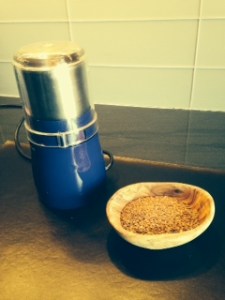
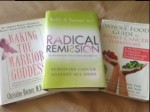 The following books are loaded with useful information and will aid you in your healing:


 Elyn Jacobs is a breast cancer survivor and holistic cancer strategist who helps people make healthier, less-toxic choices for their healing. She emphasizes the importance of not just surviving cancer, but surviving well and reducing the risk of recurrence. She is a Contributing Editor for The Truth About Cancer and is on the Medical Advisory Board for BeatCancer.Org and the Advisory Board to the Radical Remission Project. Elyn has written for numerous journals and publications. She was the former Executive Director of the Emerald Heart Cancer Foundation and the creator and host of the Survive and Live Well Radio Show. To contact Elyn, visit
  elyn jacobs