elynjacobs

Posts Tagged ‘Annie Appleseed Project’

2025 Appleseed Project CAM Conference

In Alternative Cancer Therapies, Alternatives Cancer Treatment, Alternatives to Anti-Hormone Therapy For Breast Cancer, Alternatives to Hormone Therapy for Breast Cancer, Alternatives to Tamoxifen, Anticancer diet, Anticancer foods, foods for colon cancer, foods for breast cancer, aromatase inhibitors, Bio-Identical Hormones, Breast Cancer, CAM, Cancer, Cancer Coach, colon cancer, Estrogen, Estrogen and Breast Cancer, Healing Cancer Naturally, Hormone Balance, Integrative Oncology, Natural Aromatase Inhibitors, Tamoxifen, Uncategorized on November 9, 2024 at 1:52 pm

View my interview with Geralyne Lewandowski on The Ladies Room, Local TV Easthampton NY.

CAM (Complimentary and Alternative Medicine- or as I like to say, Methods) is vital in the healing of cancer. CAM is not widely used by conventional professionals, yet has been found to improve the efficacy of conventional treatments and lessen the side effects of said treatments. Alternative, or holistic methods provide for those who have decided against certain conventional treatments.

Learn from experts hailing from all over the world to bring to you options you might never have imagined! As I always say, if you don’t know your options, you don’t have any!

View my live interview as I speak about the conference and the benefits of CAM on Local TV Easthampton NY: Elyn Jacobs Channel 20 LTV

Have a look at the speaker line up. A few highlights include: Jane McLelland, Monisha Bttanote, M.D., Jenn Simmons, M.D., Petra Sovcov, DNM, CHT, and energy medicine- mind body expert Sarah Lascano.

In addition to our line up of speakers, there will be 24 ‘Round tables” which are done classroom-style where the speaker ‘teaches’ for a while and then attendees are invited to ask questions. My topic with be Natural Alternatives to Tamoxifen and Aromatase Inhibitors, but will delve into the role of estrogen in certain breast cancers. Specifically, I will address the elephant in the room:

Should we or should we not take estrogen blockers if we have or have had breast cancer? Does estrogen really fuel breast cancer? Well, the answer is yes and no and perhaps maybe to both of those questions.

This conference will open your eyes to the true root causes of cancer and for hormone positive breast cancers, you will learn, among so many other things, why your own hormones are not always your enemy.

Enjoy two continental breakfasts, three delicious organic vegan lunches and one lovely evening poolside welcome reception. There will be ample time to speak intimately with the speakers, so do take advantage of that. If you are a hotel guest, a full breakfast is included as well as plenty of amenities such as a pool and gym.

I look forward to seeing you all there!

Can’t Make It In Person This Year? We’ve Got You Covered!
Join Us Via Live Streaming! (Details via the Conference Link)
Use Code Elyn for a 10% discount.

Scholarships are available for up to 50 people with active cancer; see the Appleseed Website for details.

https://appleseedprojectconference.com/

The Annie Appleseed Project Conference is an accredited conference. 5 CME/CEU – PRA Category 1.

The Appleseed Project is the only organization that Provides one-on-one phone and email support and referrals to our ambassadors, doctors, and partners. We’ve built a global network of doctors, practitioners and ambassadors who offer pro bono consults and education. Come meet the team in West Palm Beach, February 2025!

Our Cancer Wellness Revolution is a Global Movement to bring Hope in Healing
to a hurting world where cancer rates are rising in the top 7 categories up 300-900% in the past 3 years and average age on onset is 30-40 and as low as 13. Our phones never stop ringing.

Conference registration & speaker list:
Appleseed Project (appleseedprojectconference.com)
<https://appleseedprojectconference.com/> Use Code Elyn for a 10% discount.

Full website:
Annie Appleseed Project – https://www.annieappleseedproject.org/home.html
<https://www.annieappleseedproject.org/>

Elyn Jacobs

Appleseed Project Board of Directors

~~If you don’t know your options, you don’t have any~~
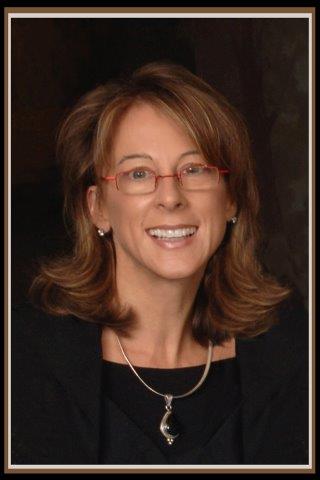
Elyn Jacobs is a breast cancer survivor and holistic cancer strategist who helps people make healthier, less-toxic choices for their healing. She emphasizes the importance of not just surviving cancer but surviving well and reducing the risk of recurrence. Elyn is on the Board of Directors for the Appleseed Project and is on the Medical Advisory Board for BeatCancer.Org. and the Advisory Board to the Radical Remission Project. She was a Contributing Editor for The Truth About Cancer and has written for numerous journals and publications. She was the former Executive Director of the Emerald Heart Cancer Foundation and the creator and host of the Survive and Live Well Radio Show. To contact Elyn, visit www.elynjacobs.com. Elyn offers consults via Skype, phone, or in-person. Elyn does not provide online advice.

DISCLAIMER:
Elyn Jacobs does not provide medical advice. The information provided is for general information only. No online site should be used as a substitute for personal medical attention.

This information is for educational purposes only and is not a recommendation to forgo medical advice and treatment. This post is not intended to treat, cure, prevent, or diagnose any disease or condition. This post does not represent medical advice, nor should it be considered to be medical advice or a replacement for medical advice. I encourage you to discuss this information with your integrative oncologist, naturopathic doctor, or conventional oncologist. The information provided is from my research and not to be taken as scientific evidence. Elyn Jacobs Consulting, Inc. does not provide endorsement for the content, claims, or products discussed in this article.

Affiliate Links Disclosure:

Some product links on some posts are affiliate links. This website is monetized in part using affiliate links. This means that if you were to click on a link that is an affiliate link and purchase an item after clicking on that link, I may receive a small percentage of the sales price. I only recommend products that I love and use often. Thank you for your support!

Follow Elyn on Facebook

Follow Elyn on LinkedIn
Light at Night and Breast Cancer

In Uncategorized on March 15, 2012 at 2:20 pm

About 18 months ago, I attended a lecture at Gildas Club on the prevention of cancer.  Dr Marisa Weiss, Founder and President of BreastCancer.org, gave a great talk, and one thing that struck me was light at night. This was the first I had heard of the perils of light at night and I must say, she was so convincing I went right home and ordered eye covers….and have been using them ever since.  Dr Keith Block talked a bit about this at the Annie Appleseed Project CAM conference a few weeks ago, and while I will blog more on his lecture, I was reminded of this important subject.

sleep maskI am sensitive to light. I remember when I first moved from the suburbs to the city.  My bedroom was so bright, I could not sleep.  My mother made black-out drapes for me and all was well.  15 years later, when I met my husband and moved in with him, I had long forgotten about the issue and found myself sleeping (or sleepless) in a very bright room…natural light from the moon and stars, as well as city lights lighting the night.  Then came the nite-lites and long nights when our children were babies.  While I certainly felt the misery of lack of sleep, I did not realize the effects on my long-term health; that I might be at higher risk of getting cancer.  Habitual light at night during sleep increases breast cancer incidence by 22% (Keith Block, Annie Appleseed CAM Conference, Feb, 2012).

Dr Richard Stevens, Cancer Epidemiologist and professor at the University of Connecticut Health Center, has done a number of studies on light at night (LAN).  In 1987 he was featured in American Journal of Epidemiology proposing a radical new theory that “the use of electric lighting, resulting in lighted nights, may produce circadian disruption,” which causes changes in the hormones, one hormone in particular is melatonin, known as the hormone of darkness because it is secreted in the dark.  In 2009 he studied women who work the night shift and found that these women appear to be at higher risk for breast cancer.   Melatonin reduces the production of estrogen in the body, so with light interrupting the release of melatonin, estrogen levels rise, and too much estrogen heightens the growth of breast cancer. The WHO actually lists the shift work (graveyard shift) as a “probable carcinogen”.light at night

Dr. David Spiegel, a psychiatrist and professor of Stanford University supports the LAN theory as well.  “There is evidence that women who do night time shift work are in increased risk of getting breast cancer.  Melatonin is an antioxidant. There is some thought that disruptive melatonin levels which happens when you don’t sleep well, may reduce the ability of the body to scavenge free radicals that can cause cancer,” said Dr. Spiegel.   Spiegel goes further, saying cortisol levels may also be connected to sleep and cancer.  Cortisol is a circadian hormone produced by the adrenal gland that is released in response to stress. Cortisol also helps to regulate the immune system and releases cells that fight off cancer cells. Cortisol increases in the late hours of sleep, and Spiegel believes Cortisol, like melatonin, lowers the production of estrogen.

Many others have studied and reported on this as well:

http://www.skykeepers.org/lan-health/lan-health.html; http://www.breastcancerfund.org/clear-science/chemicals-glossary/light-at-night-and-melatonin.html

So how do we lower our risk for getting cancer?  Eat well, exercise daily, turn off the computer and the cell phone and get some sleep.  Try to be in bed by 10pm, black shade your room or wear eye covers.  Melatonin release is at its strongest from about 10pm to 2am, although I have heard 10-1 as well as critical from 2-4am.  So, the best advice is likely to simply work on getting a good night’s sleep.

What can you do to improve sleep? The first step to easing insomnia and poor sleep quality is by recognizing it is a problem and then finding ways to resolve the problem.

  1.  Establish a regular bedtime and wake time.
  2. Reserve the bedroom for intimacy and sleep only; do not watch television, eat, talk on the phone, or work in your bedroom. Try reading something more technical than fictional to avoid staying up late ‘to see what happens next in the book’.
  3. Make your bedroom dark, quiet, and comfortable.
  4. Avoid caffeine and alcohol within six hours of bedtime; drink calming teas instead, such as roobios, chamomile and lemon balm, but not too close to bedtime as this may disrupt your sleep if you have to get up to use the bathroom.  It’s a good idea to limit alcohol usage in general as it is linked to cancer and is dehydrating, which may leave you thirsty during the night.
  5. Drink liquids daily to avoid dehydration, but again, not close to bedtime.
  6. Exercise daily, but preferably not right before bedtime.
  7. Avoid foods with additives and preservatives; some of these ingredients can act as stimulants and aren’t good for you anyway.
  8. To avoid nighttime awakening due to drops in blood sugar, eat 1-2 oz of a complex carbohydrate snack, such as oatmeal, whole-grain cereals, or whole-grain bread, one hour before bedtime, perhaps adding a bit of protein such as almond butter or nuts to further slow the glucose factor.

While proper sleep is the preferred source of melatonin, there is strong research suggesting that that low levels of melatonin stimulate the growth of certain types of breast cancer cells. So if levels are low, and cannot be corrected with sleep, supplementation may be the way to go. Melatonin may enhance the effectiveness of some chemotherapy drugs and may also help prevent the lowering of platelets in the blood during chemotherapy, a common complication that can lead to bleeding.  It is always advisable to discuss the use of supplements with a naturopath, integrative or functional medical doctor before use, as often supplements may interact positively or negatively with other drugs.

There are many natural substances that can be taken to enhance sleep, and in my coaching, I highly recommend the use of them.  Ashwaganda, for example, reduces stress and anxiety (do not take prior to surgery).  Rhodiola helps with anxiety, depression, sleep disturbances and insomnia. (Caution, Rhodiola is not advised for those with Bipolar or mania).  L-Theanine reduces stress and improves sleep quality.  Schisandra has a calming effect and may also help manage stress-induced insomnia. (Schisandra should not be taken with Tamoxifen). Magnolia can help calm nerves and alleviate anxiety; it is thought of as the herbal substitute for valium, and is actually better as it does not cause that embarrassing and debilitating muscle relaxation (sounds good until you can’t function).  By the way, several studies have tested magnolia extract on human cancer cells and found that it may inhibit the growth of cancer tumors.

Sleep Aids:

Herbs Etc Deep Sleep 120 Softgels

Natural Factors Stress-Relax Tranquil Sleep Enteric Softgels, 90-Count

THORNE RESEARCH – Rhodiola Rosea

Gaia Herbs Schisandra Berry

Gaia Herbs Ashwagandha Root Liquid Phyto-Capsules

Magnolia Extract

Melatonin 3mg 180c by Pure Encapsulations

Tranquility Therapeutic 100% Silk Sleep Mask; Eye Mask Hypoallergenic, Facial Eye Beauty; Black

Swissco Satin Sleep Mask Leopard Print

These recommendations do not represent medical advice, and I encourage you to discuss this information with your integrative oncologist or naturopathic doctor.  Supplements are intended to supplement a healthy diet–they are not a replacement, and may contain additional ingredients. It is always advisable to discuss the use of supplements with a naturopath, integrative or functional medical doctor before use, as often supplements may interact positively or negatively with other drugs.

For more information on LAN:

http://www.breastcancer.org/risk/factors/light_exp.jsp

http://www.breastcancerfund.org/clear-science/chemicals-glossary/light-at-night-and-melatonin.html

http://www.medicaldaily.com/news/20111011/7369/cancer-sleep-cancer-epidemiologist-steve-jobs-antioxidant-melatonin-cortisol-hydrocortisone.htm

http://www.skykeepers.org/lan-health/lan-health.html

http://www.sleepfoundation.org/article/sleep-topics/melatonin-and-sleep

http://www.betternutrition.com/sleep/features/featurearticles/714

Elyn

Elyn Jacobs is President of Elyn Jacobs Consulting, Executive Director for the Emerald Heart Cancer Foundation, a certified cancer coach and a breast cancer survivor.  Elyn helps women diagnosed with cancer to navigate the process of treatment and care, and educates to prevent recurrence and new cancers.  She is passionate about helping others get past their cancer and into a cancer-free life. To learn more about Elyn’s coaching services, please visit:  http://elynjacobs.com