elynjacobs

Archive for the ‘Uncategorized’ Category

Red Lentil Cauliflower Curry

In Anticancer foods, foods for colon cancer, foods for breast cancer, Epstein-Barr Virus, Healing Cancer Naturally, Uncategorized on January 29, 2018 at 6:59 am

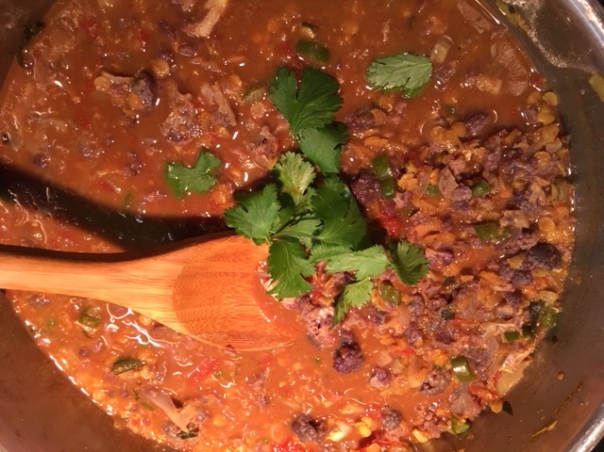
Red lentil curry

This curry is so easy to make and has many powerful anti-cancer ingredients in it.  Loaded with onions, garlic, coconut, cauliflower, tomatoes, ginger, and spices, it hits cancer on many fronts. Plus, pretty much every ingredient helps to target herpetic viruses such as Epstein Barr virus, which research shows is directly involved in the development of most cancers.

Today I used purple cauliflower instead of white, which interestingly made it look a bit like chili. I had this with a cabbage dish, but you can also serve it with rice or quinoa. Bone broth added richness and extra protein. You can increase the coconut milk if you like a creamier curry.

Ingredients:

1 tablespoon coconut oil

1 medium red or yellow onion, diced

1 large or 2 small shallots, diced

12 curry leaves (optional)

1 jalapeno pepper, diced

3 or 4 cloves garlic, minced

1 knob fresh ginger, about 2 inches long and 1 inch wide, peeled and minced (about 2-3 tablespoons)

1 teaspoon ground cumin

1 teaspoon ground coriander

½ teaspoon turmeric

½ teaspoon Ceylon cinnamon

4 whole tomatoes (from a jar) or a one 15-18-ounce jar of diced tomatoes

½ cup dried red lentils, rinsed (increase to ¾ cup if you like a thicker stew)

1 small head cauliflower, cut into small florets

3 cups stock (bone broth or vegetable stock or a combination)

½ cup unsweetened coconut milk

½ teaspoon garam masala

Fine ground Celtic sea salt and freshly ground pepper, to taste

½ cup (or more) chopped fresh cilantro, for garnish

 Instructions:

  1. Heat oil over medium-low heat in a large saucepan; add onions, shallots, curry leaves, and jalapeno. Turn the temperature to low and cook, 5-7 minutes, stirring frequently, until the vegetables are tender and fragrant.
  2. Add ginger and garlic and sauté for one or two more minutes. Add the cumin, coriander, turmeric, and cinnamon, stirring to coat.
  3. Add tomatoes, breaking them up with a spoon if whole tomatoes are used. Add the lentils, stock, and cauliflower and bring to a boil. Reduce heat to a simmer. Cook for 20 minutes, partially covered, stirring occasionally, until lentils and cauliflower are tender.
  4. Add coconut milk, stir. Add garam masala, salt, and pepper. Cook for 1-2 minutes and remove from heat
  5. Garnish with cilantro, and serve over rice, if desired.


Why You Should Eat This:

Cauliflower contains a variety of antioxidants that protect and repair DNA. It also exhibits strong anti-inflammatory activity that helps detoxify the body of harmful toxins.

Onions and shallots are a fantastic source of sulfur, which has been found to prevent the growth of tumors and inhibit cancer development. They are also potent antiviral agents.

Coconut is a strong antiviral, anti-inflammatory and antibacterial food. Coconut fat contains about 40-55 percent lauric acid, which our body uses to produce monolaurin, a biochemical derivative of lauric acid. Monolaurin has been found to be effective in fighting bacteria and fungus.

Cilantro binds to heavy metals such as mercury and escorts them out of the body.

Bone broth offers numerous health benefits.

Ceylon cinnamon has cytotoxic properties (toxic to cancer cells) and helps regulate blood sugar.

Curcumin (turmeric) is a powerful anti-inflammatory, anticancer spice that cuts off many pathways for cancer.

Cumin is a member of the parsley family, and thus is a good source of cancer- fighting apigenin and many other biologically active components. It is rich in antioxidants and is a natural immunity booster. Cumin also has anti-inflammatory and antibacterial properties.


Elyn

~~If you don’t know your options, you don’t have any~~

Elyn Jacobs is a breast cancer survivor and holistic cancer strategist who helps people make better, healthier, non-toxic choices. She emphasizes the critical nature of addressing the root cause of cancer and not just its presenting symptoms (such as the tumor). Elyn specializes in understanding the role of estrogen in breast cancer and debunks the myths associated. She is a Contributing Editor for The Truth About Cancer and was creator and host of the Survive and Live Well Radio Show on the Cancer Support Network. Elyn is on the Medical Advisory Board for BeatCancer.Org and is on the Advisory Board to the Radical Remission Project. Elyn was the former Executive Director of the Emerald Heart Cancer Foundation. Contact Elyn via her website. Elyn offers consults via Skype, phone or in person.


Follow Elyn on Facebook

Follow Elyn on LinkedIn


What You Need to Know About the Epstein Barr Virus and Cancer

In Anticancer foods, foods for colon cancer, foods for breast cancer, Cancer, Epstein-Barr Virus, Uncategorized on January 22, 2018 at 8:38 am

 EBV infection, in many cases, can lead to cancer


Scientists have been trying for a long time to elucidate how viruses reprogram healthy cells into becoming cancer cells. Through extensive research, it has become apparent that the Epstein-Barr virus (EBV) is behind most cancers, especially for those who have impaired immune systems. It seems that a protein component of the virus itself promotes the development of cancer. EBV infects B cells of the immune system and can reactivate to produce viral offspring that infects nearby cells.  As a result, these cells have a greater chance of transforming into cancer cells.


                          Immune Deficiency


  Autoimmune  Epstein-Barr ⇒  Cancer 

                                   ⇓                   ⇓

            Mononucleosis         Thyroid Disease


EBV: One stealth virus that may potentially lead to cancer is Epstein-Bar virus. Along with herpes, shingles, and chicken pox, the EBV is part of the herpes virus family (HHV-4 herpes). EBV can cause mononucleosis (the “kissing disease”) but usually it doesn’t. In fact, most EVB infections aren’t noticeable, even when they are active in the body. This is why most of my clients have no idea that the virus is fueling their cancer. 

EBV — like CMV (Cytomegalovirus), HPV (Human papillomavirus), and others — is not really a virus that you ‘catch’, but rather are exposed to (more on CMV below). It is well-documented that these viruses are contributing or causative agents in cancer. Considerable research links EBV to immune deficiency, multiple sclerosis, lupus, and other autoimmune disorders as well. Consequently,  a cancer patient might be dealing with more than one EBV-related condition at the same time.

Unfortunately, over 95% of the adult population in the United States has been exposed and thus infected with this virus.  Once infected, the virus remains in the body forever.  For some, the virus remains dormant, causing no problems. For an increasing number of others, the virus becomes active, often triggered by emotional or physical stress, and actually has the ability to change healthy cells into cancer cells.

What this means to you is that each time this virus comes out of dormancy, it significantly raises one’s risk of cancer as well as the progression of the disease.

Reactivation of EBV

Emotional and physical stress are two of the biggest reasons EBV comes out of dormancy. Emotional toxins are toxic material. Further, when you’re under high stress the body releases cortisol, which decreases your immune system, so it is less able to knock down the virus. When you get chapped lips or the shivers while being over-exposed to the elements, you experience physical stress.

Environmental toxins are also involved. More and more studies link environmental factors (such as pesticides and preservatives) and viruses such as Epstein-Barr (which actually feed off environmental and emotional toxins) to the development of cancer.

What You Can Do Now

By all means, lower stress now. While we cannot eliminate stress completely, it is important to disengage from toxic people and circumstances. This means it is best to avoid stressful situations and people. Let me repeat. Get rid of stressful people in your life.

Engaging in mind-body therapies such as meditation, yoga, Tai chi, Reiki, sound therapy, and walking in nature can make a significant reduction in stress levels. Moderate, daily exercise is recommended, but no “weekend warriors’ please as excessive exercise is quite stressful to the body.

For additional information about strategies for supporting adrenal health and reducing stress(ors), the following books are worth reading: Adrenal Fatigue, by James L. Wilson, N.D., D.C., Ph.D.; The Cortisol Connection, by Shawn Talbott, Ph.D.; The End of Stress as We Know It, by Bruce McEwen; and Awakening Athena by Kenna Stephenson, MD.

Ozone therapy, which has been studied for almost 40 years, has been found to be effective against EBV. Healthy cells require oxygen for survival, but viruses live in bodies that have less oxygen. The studies show that ozone therapy increases the amount of oxygen that the body uses. By simply adding more oxygen to the body, the virus cannot survive. With an abundance of oxygen our own bodies destroy the virus. Importantly, ozone targets diseased cells only, leaving healthy cells alone. Ozone also helps our detoxification systems transform toxic substances into harmless ones. However, ozone therapy is expensive and not readily available to everyone.
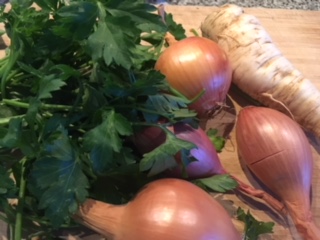
parsley rootFood is Medicine.  The good news is that numerous common foods and supplements combat EBV in one way or another. Coconut, onions, artichokes, apples, bananas, avocados, thyme (and other herbs), cruciferous vegetables, arugula, parsley, iodine, olive leaf extract, and lysine are just a few.

Some foods, while not directly addressing the activation of EBV, are important as they lessen the chance of the virus initiating cancer. Citrus peels, for example, have been found to be effective against active EBV. Researchers have found that the d-limonene extracted from the peels suppresses TPA, which is the tumor promoter associated with EBV. Therefore, myrtle and lemon essential oils can also be helpful due to the d-limonene they contain. Ginger also blocks TPA as well as the expression of EVB antigens, thus blocking viral and tumor activity associated with EBV.

Turmeric is the ultimate inflammation fighter, including for inflammation in the brain that occurs as a result of EBV. It will help you to heal from the virus.

There are a plethora of natural substances that target EBV, but below I detail a few to give you an idea just how powerful they can be.  Add a few of these to your diet every day, in measurable portions to get the most benefit.  For supplements, start slow by introducing one new supplement every two or three days.

Some Foods That Target EBV: 

  • Onions are a potent antiviral and are high in sulfur, which has the ability to combat EBV. Cruciferous vegetables also contain significant sulfur. The quercetin in onions is quite powerful against EBV infection and the carcinomas it is involved with.
  • Garlic is antiviral and antibacterial which defends against EBV by killing off virus cells. Garlic also helps flush toxic viral and bacterial waste out of the body via the lymphatic system.
  • Artichokes inhibit viral growth.
  • Cilantro is fantastic for removing heavy metals. It is also antibacterial and antiviral, so it suppresses EBV.
  • Essiac tea contains certain components that are able to kill viruses and cancer cells in the blood stream.
  • Parsley is a strong pathogen-fighter and targets parasites, bacteria, and fungus.
  • Aloe Vera is antiviral, antibacterial, anti-fungal, and anti-parasitic. Studies have shown it to be useful for targeting the pathogens connected with colon, stomach, rectal, and other cancers.
  • Flaxseed, in particular the lignans, is antiviral and antibacterial. Be sure to grind the seeds just prior to use.
  • Apple Cider Vinegar is a powerful anti-viral food.
  • Tomatoes support the immune system, inhibiting EBV. The lycopene in tomatoes is a powerful antioxidant that helps to strengthen your immune system so you can fight the virus.

Supplements That Target EBV: ((For brand recommendations, kindly speak with your doctor or visit my Shop page, thank you. For your convenience, I have added links to a few of the less common supplements here in this article–Just click on the RED links)

Common supplements such as vitamin C and D3 inhibit EBV. However, it takes more than that. Olive leaf extract is another favorite, as it is antibacterial, antiviral, and antifungal, and appears to inhibit viral reproduction. Berberine, an antimicrobial compound, has been found to inhibit a specific gene known as EBNA1, which plays a primary role in the replication and survival of the EBV. While not inclusive, below is a list of some of my favorite EBV inhibitors:

  • Monolaurin, a lipid extract from coconut oil, has strong antiviral activity and breaks down the lipid coating of EBV so it can be starved and destroyed.
  • Licorice root is powerfully antiviral and stops viruses from procreating. It also pushes the virus out of the body creating an environment inhospitable to hosting such viruses.
  • Lysine inhibits the EBV viral load and may oppose arginine, which has been shown to promote the growth and survival of viruses.
  • Olive leaf extract is antibacterial, antiviral, and antifungal. It is the Oleuropein in olive leaf extract that seems to prevent the virus from growing and replicating, essentially destroying the virus. Olive leaf extract is also a powerful immune booster, which helps the body to eliminate viruses.
  • Echinacea is antiviral and supports a healthy immune response to viruses
  • Colloidal silver stops the virus from replicating and starves it. It is the positively charged ions in colloidal sliver that bind to the protein structure surrounding the virus so it can’t replicate.
  • Red marine algae is a powerful antiviral and helps remove heavy metals such as mercury which feed the virus.
  • Berberine has powerful antimicrobial compounds.
  • Artemisinin shows wide spectrum activity against all the subtypes of the human herpes virus, particularly the Epstein Barr Virus (EBV).
  • Cats Claw is powerful against pathogens and viruses.
  • Lemon balm is anti-parasitic, antiviral, and antibacterial.
  • Burdock root and milk thistle support the liver so it can remove pathogens.
  • Astaxanthin, lutein, quercetin, and selenium show powerful protection against EBV activation.
  • Oregano oil is a strong antiviral and antibacterial substance that kills viruses. The compounds responsible are carvacrol and thymol. Using pure oregano oil is imperative. It should be taken sublingually or rubbed into the spine with a carrier oil.
  • Alpha Lipoic Acid (ALA) has been shown to inhibit NF-kB, which has been linked to various cancers. EBV is one of the viruses that trigger NF-kB.
  • NAC has also been found to be antiviral and offers significant reduction of NF-kB.
  • Vitamin D— like NAC and ALA, vitamin D inhibits NF-kB and reduces the resulting inflammation triggered by EBV. It is important to note that low vitamin D status hinders the immune system response to EBV and cancer. Further, young people with low vitamin D status and high antibody reactivity to the EBV have an increased risk of developing MS.
  • Chinese Skullcap is antiviral and protects mitochondria from viral damage.
  • Zinc has strong antiviral properties and boosts immune function so the body can seek out and destroy EBV cells. It suppresses viral growth in the body while also reducing inflammation.
  • Myrtle is also antiviral, anti-inflammatory, and contains other chemo-preventive compounds. Look for this in essential oils.

Mistletoe Extract (administered via IV) may prove to be effective against EBV, which is one of the reasons it is so effective against cancer. Look for upcoming research.

It is recommended to avoid dairy, eggs, gluten, soy, corn, and pork if you believe you are dealing with active EBV.  Beware of citric acid, which is most often made from GMO, aflatoxin-tainted corn. It is always advised to avoid processed foods, harmful oils, and conventional meat and dairy products.

Iodine, Friend or Foe?

Iodine is a disinfectant, effective at killing both viruses and bacteria. I am not speaking of first-aid iodine, commonly used as an antiseptic to clan wounds and prevent infection. But oral iodine actually applies the same germ-fighting abilities. Therefore, it is critical to ingest sufficient dietary iodine to kill off virus cells. Importantly, if you suffer from cold sores (a symptom of EBV), likely you are iodine deficient. Spirulina, leafy greens, onions, sprouts, microgreens, and parsley are all good sources of iodine. Iodine can also be taken as a supplement (more EBV inhibiting supplements listed below). If you are unable to get enough iodine via food sources, a supplement may be helpful. IodoRx,  Isodoral, and Lugol’s 2% or 5%  are some good suggestions. Zinc and Celtic sea salt are excellent co-factors to iodine as they synergistically ignite iodine, making it more available to the body.

In his book, Thyroid Healing, Anthony William explains how EBV is typically the root cause of thyroid disease.  In many cases, iodine could be quite helpful. Yet, many people have been warned not to take iodine if they have hypothyroidism or Hashimotos thyroiditis. I am not an iodine-expert, but I encourage you to read the book for a proper explanation.

For more details on EBV and its connection to cancer and autoimmune, please read my previous articles on the subject, which are listed below.

Epstein Barr Virus Connection to Breast Cancer & Autoimmune Disorders

Epstein Barr Virus: The Sneaky Human Tumor Virus  

For more information and to view my new page on Epstein-Barr please visit EBV Management.

EBV is not the only virus to be concerned with:

CMV, another common virus in the herpes family, has been found to play a major role in childhood ALL. This is evidenced by research published in Blood, a journal published by the American Society of Hematology, which found that in-utero exposure to CMV significantly raises a child’s risk of developing ALL.

CMV also has oncogenic potential for many other cancers, and has been implicated as such. While a direct causation has not been established, it is believed that CMV increases the malignancy of cancers by manipulating the host cell cycle and the immune response, thus promoting the replication and propagation of the virus. As a consequence, there is an interruption of the normal checks that block cancer growth. CMV has also been found to support angiogenesis, the growth of blood vessels necessary to feed tumors. It is known to infect most organs of the human body including blood, brain, breast, colon, eye, kidney, liver, and lungs.

The problem is that between 60-80% of the adult population in the United States and almost 100% in emerging countries is infected with this virus.

Like EBV, once CMV is in a person’s body, it stays there for life and can reactivate. Most people will have no symptoms, but the infections can cause serious health problems and birth defects. Thankfully, if you are following an antiviral protocol for EBV, CMV and other viruses will be targeted as well.

The most important factor in healing from cancer is to stop making cancer, or at least control it through the known causes, such as viruses.

You may also wish to read this excellent book by Anthony William:

Medical Medium Thyroid Healing: The Truth behind Hashimoto’s, Graves’, Insomnia, Hypothyroidism, Thyroid Nodules & Epstein-Barr

As an Amazon Affiliate, we may earn a small commission for the sale of products purchased from this site. These small commissions help to pay for the maintenance of this site as well as for the time spent researching and writing on topics relevant to your optimal health, but are achieved at no additional cost to  you.

This information is for educational purposes only and is not intended to treat, cure, prevent, or diagnose any disease or condition. This post does not represent medical advice nor should it be considered to be medical advice or a replacement for medical advice.  I encourage you to discuss this information with your integrative oncologist, naturopathic doctor, or conventional oncologist.  The information provided is from my research and not to be taken as scientific evidence. 

Elyn

~~If you don’t know your options, you don’t have any~~

Elyn Jacobs is a breast cancer survivor and certified holistic cancer strategist who helps people make better, healthier, non-toxic choices. She emphasizes the critical nature of addressing the root cause of cancer and not just its presenting symptoms (such as the tumor). Elyn specializes in understanding the role of estrogen in breast cancer and debunks the myths associated. She is a Contributing Editor for The Truth About Cancer and was creator and host of the Survive and Live Well Radio Show on the Cancer Support Network. Elyn is on the Medical Advisory Board for BeatCancer.Org and is on the Advisory Board to the Radical Remission Project. Elyn was the former Executive Director of the Emerald Heart Cancer Foundation. Contact Elyn via her website. Elyn offers consults via Skype, phone or in person.

Follow Elyn on Facebook

Follow Elyn on LinkedIn

Resources:

http://scienceblog.cancerresearchuk.org/2014/04/09/epstein-barr-virus-and-the-immune-system-are-cures-in-sight/

http://scienceblog.cancerresearchuk.org/2015/12/02/grand-challenge-one-can-we-develop-a-jab-to-prevent-cancer/

http://www.sciencedaily.com/releases/2017/02/170213131346.html


Lentil and Vegetable Soup

In Anticancer foods, foods for colon cancer, foods for breast cancer, Breast Cancer, Cancer, Healing Cancer Naturally, Uncategorized on January 10, 2018 at 7:12 pm

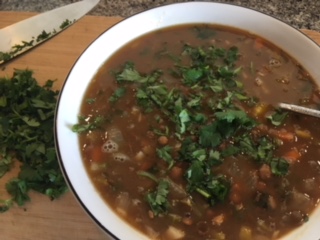
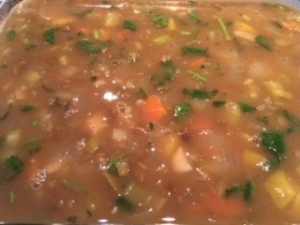
lentil soupThis is a hearty soup that includes more vegetables than your average lentil soup. Please use organic ingredients whenever possible, especially for high-pesticide vegetables such as carrots and celery (including celery root).
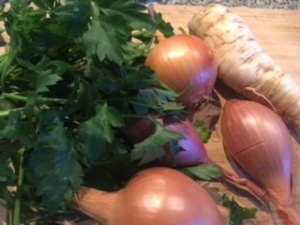
Ingredients:

1 tablespoon olive or coconut oil

2/3 cup diced celery

1/2 cup diced white or yellow onion

½ cup diced carrots

3 tablespoons diced shallots

1 small parsley root , diced (about ¼ cup, reserve the rest for another recipe -celery root may be substituted–if neither root is available, can be omitted)

1 clove garlic, minced

16 ounces bone broth (I used Broth Masters, which is delicious and makes this soup extra satisfying and nutritious)

16 ounces vegetable stock

1 ¼ cup dry brown lentils (or for a quicker version, 2 cans Eden Organic Lentils with onion and bay leaf –do not drain — or other organic canned lentils with a BPA-free lining)

1 large sprig thyme, leaves stripped and stems discarded

2 teaspoons whole-grain mustard (optional)

2 teaspoons organic red wine vinegar

½ teaspoon fine Celtic sea salt

¼ teaspoon freshly ground pepper

¼ cup each chopped cilantro and parsley leaves (fine stems included)

Rosemary and basil infused olive oil, for drizzling, or a fruity EVOO

Instructions:lentil soup with bone broth

  1. Heat oil in a tall saucepan over low heat. Sautee celery, onions, carrots, shallots, parsley root, and garlic until onions are translucent.
  2. Add vegetable stock and lentils. Add thyme leaves. Cook uncovered until lentils are just tender but not too soft, about 1 hour, 10 minutes. If using canned, allow to simmer 20-30 minutes, or until carrots are crisp-tender.
  3. Before serving, add mustard (if using), vinegar, salt and pepper. Ladle into bowls and garnish with cilantro and parsley. Drizzle with olive oil, infused if available.

Serves 4

Celery contains the powerful anti-cancer agent apigenin, which helps prevent tumor events tumor migration and metastasis and increases antioxidant enzymes in the blood.

Carrots offer antioxidants and have other anticancer benefits.

Onions and shallots are a fantastic source of sulfur, which has been found to prevent the growth of tumors and inhibit cancer development by protecting cells from mutating and by promoting apoptosis (cancer cell death). They are also potent antiviral agents.

Cilantro binds to heavy metals such as mercury and escorts them out of the body.

Parsley is a powerful detoxifier that removes high levels of copper and aluminum. It is also is a strong source of apigenin and other anticancer flavonoids and phenolic compounds such as apiin, myristicin, coumarins, luteolin, and quercetin.

Bone broth offers numerous health benefits

parsley rootParsley root supports the liver and gallbladder as it is a diuretic and has  blood purifying and hepatic qualities. Parsley root and parsley are high in vitamins A, C, and K and contain much-needed iodine. Parsley root  has a substantial amount of flavonoids and is a strong antioxidant.

Celery root adds flavor and an abundance of essential vitamins and minerals our bodies need for optimal health, especially vitamin B6.


Elyn

~~If you don’t know your options, you don’t have any~~

ej portrait 150resElyn Jacobs is a breast cancer survivor and certified holistic cancer strategist who helps people make better, healthier, non-toxic choices. She emphasizes the critical nature of addressing the root cause of cancer and not just its presenting symptoms (such as the tumor). Elyn specializes in understanding the role of estrogen in breast cancer and debunks the myths associated. She is a Contributing Editor for The Truth About Cancer and was creator and host of the Survive and Live Well Radio Show on the Cancer Support Network. Elyn is on the Medical Advisory Board for BeatCancer.Org and is on the Advisory Board to the Radical Remission Project. Elyn was the former Executive Director of the Emerald Heart Cancer Foundation. Contact Elyn via her website. Elyn offers consults via Skype, phone or in person.
Follow Elyn on Facebook

Follow Elyn on LinkedIn

Coconut Flaxseed-Crusted Tofu

In Anticancer foods, foods for colon cancer, foods for breast cancer, Books for Cancer Patients, Uncategorized on January 1, 2018 at 10:10 am

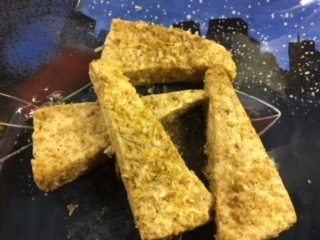
Happy 2018! It is time for a new start, new beginnings, and delicious, nourishing food.  Today is the first day of the year, but also the first day of the rest of your life. Make it a good day, and make every meal count.  Coconut has been found to be antiviral and anti-inflammatory, and targets the Epstein Barr Virus, which is linked to most cancers. Coconut (and its oil) is also loaded with minerals such as calcium, magnesium, and iodine. Studies have found that the lauric acid in coconut is associated with a reduced risk for breast cancer. Flaxseed, cumin, ginger, and coriander are anticancer powerhouses. Eaten in moderation, organic tofu is an excellent source of plant-based protein.

tofu flax

Coconut-Flaxseed Crusted Tofu


Ingredients:

1 package extra firm organic tofu (12 ounces)

1/8 cup finely (or medium) shredded unsweetened coconut

1/8 cup freshly ground flaxseed

½ teaspoon ground cumin

½ teaspoon ground ginger

½ teaspoon ground coriander

dash cayenne pepper, or to taste

½ teaspoon coarse Celtic sea salt

2 tablespoons organic coconut oil

Directions:

  1. Place tofu on one half of a clean kitchen towel. Fold the towel over to cove the tofu. Put the towel-wrapped tofu on a plate and top with a heavy item, such as a can or frying pan.  Chill for two hours. Slice tofu horizontally into ¾ inch slices. Cut each piece in half to make two triangles out of each.
  2. Combine coconut, ground flaxseed, spices, and salt. Dredge tofu triangles in coconut mixture until well coated.
  3. Heat coconut oil over low heat until lightly browned, about 3-5 minutes per side.


Serve with curried rice,  risotto, dal (and Indian dish typically made from lentils) or an Indian-inspired colorful medley of vegetables. An excellent resource is Vegan Richa’s Indian Kitchen, which offers easy-to-make vegan Indian recipes. The tofu can also be served over salad greens for a light meal.

Indian dishes offer incredible flavor, but also numerous anti-cancer and overall health benefits, so enjoy often!

You may also enjoy this article, Demystifying Flaxseed and Estrogen.

Elyn

~~If you don’t know your options, you don’t have any~~

ej portrait 150resElyn Jacobs is a breast cancer survivor and certified holistic cancer strategist who helps people make better, healthier, non-toxic choices. She emphasizes the critical nature of addressing the root cause of cancer and not just its presenting symptoms (such as the tumor). Elyn specializes in understanding the role of estrogen in breast cancer and debunks the myths associated. She is a Contributing Editor for The Truth About Cancer and was creator and host of the Survive and Live Well Radio Show on the Cancer Support Network. Elyn is on the Medical Advisory Board for BeatCancer.Org and is on the Advisory Board to the Radical Remission Project. Elyn was the former Executive Director of the Emerald Heart Cancer Foundation. Contact Elyn via her website. Elyn offers consults via Skype, phone or in person.
Follow Elyn on Facebook

Follow Elyn on LinkedIn

Magnolia, Cancer’s Worst Enemy

In Alternative Cancer Therapies, Breast Cancer, Cancer, colon cancer, Uncategorized on December 8, 2017 at 7:43 am

While many people have taken magnolia to reduce stress-related symptoms such as anxiety, insomnia, and depression, the health benefits of magnolia go well beyond that. Importantly, magnolia can be used to help detoxify the body, soothe the digestive system, and to help prevent and treat cancer.

The hearty nature of magnolia shrubs and trees on which the beautiful magnolia flower grows has allowed them to offer a powerful organic nutrient with amazing health benefits. These virtues are recognized by modern medicine, Chinese Traditional medicine, and herbalists worldwide.  This bioactive natural product is known as honokiol.

Recent studies have demonstrated anti-inflammatory, anti-angiogenic, apoptotic, anti-oxidative, and overall anti-cancer properties of honokiol in vitro and in preclinical models. Honokiol targets multiple signaling pathways including nuclear factor kappa B (NF-κB) signal transducers and activator of transcription 3 (STAT3), epidermal growth factor receptor (EGFR), and mammalian target of rapamycin (m-TOR), which have great relevance during cancer initiation and progression.

Honokiol also shuts down the leptin signaling network, which is significant for obese patients. Leptin-induced tumors quickly learn to evade all the usual biological checkpoints that keep tumors from growing and spreading.  Once the leptin helps the tumor achieve this state, the tumor is poised to migrate and morph from a non-invasive tumor to an invasive tumor. Research done at Johns Hopkins found that honokiol is able to suppress some of the proteins in the leptin network.

The link between obesity, leptin, and breast cancer is well known, yet this hasn’t changed how breast cancer patients are diagnosed or treated, nor do doctors check patients for leptin or leptin receptor levels. Some studies suggest that breast cancer cells that have been exposed to high levels of leptin over several years might also be less sensitive to the chemo drug tamoxifen, rendering it, well,  less effective (just one more reason why traditional remedies are not always the best solution).

Hopefully more doctors will discover this natural remedy soon, but in the meantime, you are empowered to take advantage of magnolia’s offerings. The immense chemo-preventive (anticancer) capabilities of magnolia cannot be overlooked.

Anticancer Benefits of Magnolia:

  • stimulates the lymphatic system and increases the level of toxins being eliminated from the body
  • inhibits angiogenesis (the development of new blood vessels tumors require to survive)
  • powerful antioxidant
  • promotes apoptosis (cancer cell death)
  • down-regulates cancer-promoting genes
  • inhibits the growth of Helicobacter pylori, known to significantly increase the risk for gastric cancers
  • able to cross the blood-brain-barrier and inhibit brain tumor growth[i]
  • increases sensitivity to radiation -induced cytotoxicity in lung and other cancers
  • shuts down the leptin signaling network

While studies have found honokiol to be effective in gastrointestinal, breast, head and neck, prostate, ovarian, lung, skin, brain, and many other cancers, here are just a few specifics of this powerful magnolia:[ii]

  • inhibits the growth in breast cancer cell lines (MDA-MB-231, SK-BR-3, MDA-MB-436, ZR-75-1and T47-D, MCF-7, 4T1) in a dose dependent manner regardless of their HR, HER2 or p53 status
  • is effective against estrogen-receptor positive as well as estrogen-receptor negative breast cancers
  • induces apoptosis in human prostate cancer cells irrespective of their androgen responsiveness or p53 status, and significantly decreases PSA counts
  • exhibits growth-inhibitory effects against two human pancreatic cancer cell lines (MiaPaCa and Panc1)
  • effective in leukemia cell lines viz. B-CLL and Molt 4B
  • induces apoptosis in human multiple myeloma cell lines including dexamethasone-sensitive (MM.1S) and dexamethasone-resistant (MM.1R, RPMI-8226, U266 and SU-DHL-4) cells and in tumor cells
  • significantly inhibits the invasion and colony formation of highly metastatic renal cell cancers cells 786-0 in a dose-dependent manner[iii]

How to Take Magnolia:

The bark, cones and leaves of the magnolia tree can be cooked and boiled down to a syrupy extract. Given that many of us do not have a field of magnolia in our back yards, a supplement may be best.

Small doses (30 mg) may be effective for anxiety and depression.  Slightly more might be helpful for those dealing with intense stress or insomnia. My oncologist used to call it “herbal Valium—all the relief without the wobbly knees”. He recommended it for sleep and stress relief as well as for cancer. The brand I take, NutriCology comes in capsule form, 200mg. The suggested dose is one daily, before bed. For smaller doses, you can buy it in powder formHonoPure is another excellent product that comes highly recommended.

The suggested dosage for cancer averages between 200 and 800 mg, up to three times a day (but limit to one dose before bed if drowsiness will be an issue and high doses only under the guidance of a medical doctor).

Magnolia should not be taken by pregnant women or at very high doses as it may cause headaches, dizziness, and vertigo. Keep magnolia away from infants and animals. Magnolia may cause a sedative effect and can interact with alcohol. Operating dangerous equipment or driving while taking magnolia extract is not recommended. For best results, take before bed.

This information is for educational purposes only and is not intended to treat, cure, prevent, or diagnose any disease or condition. This post does not represent medical advice nor should it be considered to be medical advice or a replacement for medical advice.  I encourage you to discuss this information with your integrative oncologist, naturopathic doctor, or conventional oncologist and make your own decisions.  The information provided is from my research and not to be taken as scientific evidence. 

As an Amazon Affiliate, we may earn a small commission for the sale of products purchased from this site. These small commissions help to pay for the maintenance of this site as well as for the time spent researching and writing on topics relevant to your optimal health, but are achieved at no additional cost to  you.

Elyn

~~If you don’t know your options, you don’t have any~~

ej portrait 150resElyn Jacobs is a breast cancer survivor and certified holistic cancer strategist who helps people make better, healthier, non-toxic choices. She emphasizes the critical nature of addressing the root cause of cancer and not just its presenting symptoms (such as the tumor). Elyn specializes in understanding the role of estrogen in breast cancer and debunks the myths associated. She is a Contributing Editor for The Truth About Cancer and was creator and host of the Survive and Live Well Radio Show on the Cancer Support Network. Elyn is on the Medical Advisory Board for BeatCancer.Org and is on the Advisory Board to the Radical Remission Project. Elyn was the former Executive Director of the Emerald Heart Cancer Foundation. Contact Elyn via her website. Elyn offers consults via Skype, phone or in person.
Follow Elyn on Facebook

Follow Elyn on LinkedIn

REFERENCES:

https://www.realnatural.org/magnolia-bark-extract-treats-multiple-invasive-cancers/

https://www.sciencedaily.com/releases/2008/07/080711214125.htm


https://www.spandidos-publications.com/ijo/46/6/2293

https://hub.jhu.edu/2016/07/06/magnolia-honokiol-breast-cancer-obesity/

[i] /www.ncbi.nlm.nih.gov/pmc/articles/PMC3663139/

[ii] https://www.ncbi.nlm.nih.gov/pmc/articles/PMC3663139/

[iii] https://www.spandidos-publications.com/ijo/46/6/2293

Recommended Cookbooks for Cancer Patients

In Alternative Cancer Therapies, Alternatives Cancer Treatment, Anticancer foods, foods for colon cancer, foods for breast cancer, Books for Cancer Patients, Breast Cancer, Uncategorized on November 29, 2017 at 9:53 am

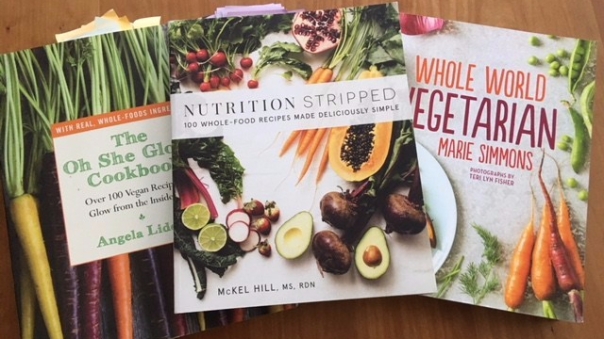
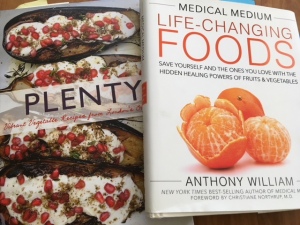
With the holidays soon upon us, you may be looking for the perfect gift for a loved one with cancer. Clients ask me all of the time, what can I eat? What should I eat? Or they lament that healthy eating doesn’t taste good.  Well, here are a few fantastic books that will be sure to dazzle taste buds and inspire trips to the kitchen.

books-1-e1511966525908.jpg

Some of My Favorites:

The Oh She Glows Cookbook: Over 100 Vegan Recipes to Glow from the Inside Out  

Nutrition Stripped: 100 Whole-Food Recipes Made Deliciously Simple 

Whole World Vegetarian 

Medical Medium Life-Changing Foods: Save Yourself and the Ones You Love with the Hidden Healing Powers of Fruits & Vegetablesbooks 2

Eat Drink Shine: Inspiration from Our Kitchen: Gluten-free and Paleo-friendly Recipes by the Blissful Sisters 

Plenty: Vibrant Vegetable Recipes from London’s Ottolenghi

Eating Well Through Cancer: Easy Recipes & Tips to Guide you Through Treatment and Cancer Prevention 3rd Edition

Here’s a new book that might be the perfect gift for one who is short on time, but craves healthy meals.  The Healing Slow Cooker: Lower Stress * Improve Gut Health * Decrease Inflammation

Elyn

~~If you don’t know your options, you don’t have any~~

Elyn Jacobs is a breast cancer survivor and certified holistic cancer strategist who helps people make better, healthier, non-toxic choices. She emphasizes the critical nature of addressing the root cause of cancer and not just its presenting symptoms (such as the tumor). Elyn specializes in understanding the role of estrogen in breast cancer and debunks the myths associated. She is a Contributing Editor for The Truth About Cancer and was creator and host of the Survive and Live Well Radio Show on the Cancer Support Network. Elyn is on the Medical Advisory Board for BeatCancer.Org and is on the Advisory Board to the Radical Remission Project. Elyn was the former Executive Director of the Emerald Heart Cancer Foundation. Contact Elyn via her website. Elyn offers consults via Skype, phone or in person.
Follow Elyn on Facebook

Follow Elyn on LinkedIn


Why Aromatase Inhibitors Fail Women

In Alternative Cancer Therapies, Alternatives to Anti-Hormone Therapy For Breast Cancer, Alternatives to Hormone Therapy for Breast Cancer, Alternatives to Tamoxifen, Breast Cancer, Tamoxifen, Uncategorized on November 13, 2017 at 5:27 am

Aromatase inhibitors fail when tumors outsmart them.  Researchers have long been studying how resistance to aromatase inhibitors (AIs) happens so that they can find a solution. The resistance effectively makes these drugs powerless, causing the cancer to return. One in every four or five women relapse within ten years of AI treatment and develop metastatic cancer. [i]

Estrogen plays an important role in the development of hormone-dependent breast carcinomas, or at least some estrogens do. While ovarian estrogen synthesis ceases at menopause, peripheral and local tissue’s aromatization of androgens to estrogens continues and becomes the main source of estradiol (the more cancer-promoting estrogen). What this means is that while your ovaries are no longer producing estrogen after menopause, and your adrenals are producing only a small amount, breast cancer cells may actually have a way to produce their own food supply.

Theoretically, the aromatase inhibitor could be reducing circulating estrogen to dangerously low levels, while estrogen in the breast, axillary, and belly could still be dangerously high. Hence, AIs fail the patient, who then suffers the ill-effects of the drugs with no benefit.

The Research

Until recently, scientists assumed the tumors developed resistance in some way, but didn’t know how. Scientists have now discovered why AIs may stop working in some patients. Research done at the Imperial College London and the European Institute of Oncology in Milan has found that some breast tumors evolve to make their own estrogen, rendering AIs ineffective. While the ovaries cease to produce estrogen after menopause, the hormone is still made in other tissues via the enzyme aromatase.[ii] The team, led by Dr Luca Magnani, found that in one in four patients taking AIs, the tumors had increased production of aromatase in the cancer cells. They found that the tumors were able to increase the number of aromatase genes via a process known as amplification.

So, while AIs work by cutting off the tumor’s fuel supply (estrogen), the cancer adapts by making its own –an efficient survival mechanism. The research points to a particular gene (CYP19A1).  When more copies of this gene are produced, it triggers the increased production of aromatase, the very enzyme the drugs are trying to block. This allows cancer cells to make their own estrogen and thus reproduce and spread.[iii] It seems to be a bit of a survival mechanism-the AI cuts off the food supply so the tumor outsmarts it by making its own.

We found that 21.5% of AI-treated, relapsed patients had acquired CYP19A1 (encoding aromatase) amplification (CYP19A1amp)…CYP19A1 amplification caused increased aromatase activity and estrogen-independent ERα binding to target genes, resulting in CYP19A1amp cells showing decreased sensitivity to AI treatment. These data suggest that AI treatment itself selects for acquired CYP19A1amp and promotes local autocrine estrogen signaling in AI-resistant metastatic patients.[iv]

When an aromatase inhibitor stops working, most oncologists will try another type of AI.  The problem is that if the cancer cells have started making their own aromatase, the second (or third) drug will be useless. Identifying the over-expression of the CYP19A1 may help doctors determine which women are not good candidates for AI therapy or who might be candidates for alternative therapies. The aforementioned researchers are now working on a test to identify whether a patient’s tumor has started to increase aromatase production, and make its own estrogen.

Dr. Magnani also suggested that when cancer returns, a biopsy should be done to see how the cancer has evolved, which may help guide treatment decisions. Often this can be helpful, but just as often, it fails to offer much information. This is a decision you need to make in consultation with your oncologist or other qualified professional.

Obesity Plays a Role

Excess body weight has been linked to an increased risk of postmenopausal breast cancer, and research also suggests that obesity is associated with poor prognosis in women diagnosed with early-stage breast cancer. Fat tissue contains the enzyme aromatase that converts hormones called androgens to estrogens. Human abdominal, breast, and axillary fat have the ability to convert androgens into estrogens.

So, heavier women end up with higher blood estrogen levels as well as enhanced local production of estrogen than leaner women. Elevated serum estrogen levels as well as enhanced local production of estrogen have been considered primary mediators of how increased body weight promotes breast cancer development in postmenopausal women.

On the Horizon

I have long been pointing out that most of have seriously declining levels of estrogen as we age –which has been found to compromise overall health. For this reason, AIs are quite dangerous as they block essential estrogen.

However, it has recently been reported that plasma estrogen levels do not necessarily reflect tissue estrogen concentrations. Several studies have found that tissue estrogen levels may be ten- to 20-fold higher compared to plasma levels in postmenopausal women. Furthermore, recent studies have demonstrated that a large proportion (close to 100%) of the biologically active estrogen is considered to be produced locally in the breast carcinoma after menopause.[v] Therefore, likely a more effective method would be to inhibit estrogen of breast tissue than that of systemic circulation. More studies need to be done on this.

At this point, studies are being conducted in China to see if a locally-applied aromatase-inhibiting patch using letrozole would be effective and offer a less toxic solution to the standard drug AIs.

As reported in AAPS PharmSCiTech (a Journal of the American Association of Pharmaceutical Scientists), a mouse study revealed that compared with oral administration, transdermal administration could produce high local drug concentrations and low circulating drug concentrations. This could reduce systemic side effects. Therefore, it might be a new option for breast cancer therapy to inhibit aromatase activity via transdermal patches for site-specific delivery of letrozole.

But again, more studies need to be done to determine if a local patch would be effective for cells outside the breast area, and independent studies should also be done (ones not paid for by a pharmaceutical company).

So, should women with estrogen receptor-positive breast cancer take inhibitors of estrogens? The decision of whether or not to use estrogen blockers is a complex one that each woman can only make if fully informed. The potential negative effects on the brain, heart, and overall quality and quantity of life, as well as treatment failure, should be weighed against the immediate risk of recurrence.

However, in making a treatment decision, it is most important to speak with an oncologist who is fully aware of the limitations and potential negative effects of these drugs and who is prepared to discuss alternative options. It is equally important to educate yourself on natural alternatives as typically these options are not discussed by medical doctors.

Important is to realize that in the presence of adequate progesterone, estrogen cannot easily fuel breast cancer tumors.[vi] Perhaps for now, a better solution is to make every effort to reduce aromatase activity and to increase production of progesterone.

Progesterone may also be the answer to why AIs seem to work for some.  I could postulate that the answer again might be progesterone, especially for those patients who are PR + as well as ER+, but that is just one possibility.

For more information regarding consideration of natural alternatives, please read:

Natural Alternatives to Hormone Therapy for Breast Cancer  

Why You May Want to Reconsider Estrogen-Blocking Aromatase Inhibitors and Tamoxifen 

* The CYP19A1 gene provides instructions for making an enzyme called aromatase. This enzyme converts a class of hormones called androgens, which are involved in male sexual development, to different forms of the female sex hormone estrogen. Mutations in this gene can result in either increased or decreased aromatase activity.

This information is for educational purposes only and is not a recommendation to forgo anti-hormone therapy. It is not intended to treat, cure, prevent, or diagnose any disease or condition. This post does not represent medical advice nor should it be considered to be medical advice or a replacement for medical advice.  I encourage you to discuss this information with your integrative oncologist, naturopathic doctor, or conventional oncologist and make your own decisions.  The information provided is from my research and not to be taken as scientific evidence. 

ej portrait 150resElyn

~~If you don’t know your options, you don’t have any~~

Elyn Jacobs is a breast cancer survivor and certified holistic cancer strategist who helps people make better, healthier, non-toxic choices. She emphasizes the critical nature of addressing the root cause of cancer and not just its presenting symptoms (such as the tumor). Elyn specializes in understanding the role of estrogen in breast cancer and debunks the myths associated. She is a Contributing Editor for The Truth About Cancer and was creator and host of the Survive and Live Well Radio Show on the Cancer Support Network. Elyn is on the Medical Advisory Board for BeatCancer.Org and is on the Advisory Board to the Radical Remission Project. Elyn was the former Executive Director of the Emerald Heart Cancer Foundation. Contact Elyn via her website. Elyn offers consults via Skype, phone or in person.

Follow Elyn on Facebook

Follow Elyn on LinkedIn

[i] https://www.nature.com/articles/ng.3773   https://www.ncbi.nlm.nih.gov/pmc/articles/PMC5326683/

[ii]

http://www3.imperial.ac.uk/newsandeventspggrp/imperialcollege/newssummary/news_23-1-2017-16-57-16

[iii] https://www.ncbi.nlm.nih.gov/pubmedhealth/behindtheheadlines/news/2017-01-24-new-insights-into-why-breast-cancer-drugs-fail-for-some-women/

[iv] https://www.nature.com/articles/ng.3773

[v] https://www.ncbi.nlm.nih.gov/pmc/articles/PMC2974128/

[vi]  http://ajcn.nutrition.org/content/45/1/277.short


Why You May Want to Reconsider Estrogen-Blocking Aromatase Inhibitors and Tamoxifen

In Alternatives to Anti-Hormone Therapy For Breast Cancer, Alternatives to Tamoxifen, Breast Cancer, Natural Alternatives to Aromatase Inhibitors, Uncategorized on November 7, 2017 at 9:50 am

The current oncological recommendations for anti-hormone therapy (endocrine therapy) for postmenopausal women with early-stage breast cancer vary. Some oncologists recommend aromatase inhibitors for five years, with tamoxifen to follow and some the reverse, and some just one or the other. However, the recommendations rarely take into consideration risk of prior cardiovascular disease history, cardiovascular disease risk, or overall risk of death when choosing between the different therapeutic options. (For premenopausal women, the standard is usually tamoxifen, with little attention to risk factors for blood clots, stroke, and endometrial cancer.)  Importantly, while both therapies can prolong disease-free survival, they don’t necessarily increase overall survival.

In the discussion of adjuvant endocrine therapy, doctors downplay the fact that aromatase inhibitors (AIs) are associated with musculoskeletal symptoms, heart damage, osteoporosis, and increased risk of bone fracture. Estrogen protects against heart disease, and consistent research has suggested that the suppression of estrogen raises the risk of cardiovascular disease, among other life-challenging issues. AI treatment reduces nearly all circulating estrogen. Estrogen is essential to the health of all parts of your body, from your eyes to your heart to your brain to everywhere else.

Many doctors also fail to stress that tamoxifen is associated with an increased risk of uterine cancer, stroke, deep venous thrombosis (blood clots), and severe muscle pain. They also fail to inform their patients that while both therapies can prolong disease-free survival, they rarely increase overall survival—especially in the case of aromatase inhibitors. All this at a tremendous cost to quality of life.

Tamoxifen and aromatase inhibitors have distinct toxicity profiles. However, individual studies have not shown a significant difference in overall toxicity between patients treated with these therapies. The lack of association between disease-free survival and overall survival prompted a 2011 meta-analysis published in the Journal of the National Cancer Institute. The study evaluated the toxicities of the two endocrine therapy options.

The Research:

The meta-analysis confirmed that an aromatase inhibitor (AI) may not the best therapy for all postmenopausal women with hormone-receptor positive, early-stage, breast cancer. The authors conducted the study to clarify why AIs, when compared with tamoxifen, increased disease-free survival but not overall survival. AI toxicities were suspected to counteract decreased recurrence rates.[i] However, as presented in the analysis, tamoxifen wasn’t necessarily safer than AIs, so the authors concluded that switching from tamoxifen to AIs would  balance the efficacy and toxicity of these treatments. What this means to you is that they are recommending that you ‘switch’ from one drug to another after a few years to reduce toxicity–but that also means you suffer the consequences of both drugs.

The authors noted that although several large randomized trials have examined the benefit of the aromatase inhibitors anastrozole, letrozole, and exemestane — as compared with 5 years of tamoxifen — the trials have failed to demonstrate a statistically significant improvement in overall survival.

The Methods:

Relevant trials were identified through a search of the MEDLINE and EMBASE databases, a search of the American Society of Oncology Annual Meetings from 2000 through 2009, and a search of the San Antonio Breast Cancer Symposium Annual Meetings from 2000 through 2009. 377 relevant articles were identified, of which 7 randomized controlled phase-3 trials with 30,023 patients met inclusion criteria.

The analysis considered six adverse events: cardiovascular disease, cerebrovascular disease, venous thrombosis (DVT), bone fracture, endometrial cancer, and other secondary cancers.

The Highlights: (Noting that longer duration of one therapy implies a shorter duration of the other)

  • Longer duration of AI use was associated with higher odds of developing cardiovascular disease.
  • Longer duration of AIs was associated with a 66% reduction in the odds of developing endometrial cancer compared with tamoxifen use.
  • Both AIs and tamoxifen increase the risk of other second cancers, but switching from tamoxifen to aromatase inhibitors may decrease the odds of second cancers.
  • Longer durations of aromatase inhibitor use were associated with decreased odds of venous thrombosis compared with tamoxifen.
  • Longer durations of AIs were associated with increased odds of bone fractures compared with tamoxifen.
  • Longer durations of AI use was associated with a statistically significant increase in the risk of raised cholesterol (hypercholesterolemia. Shorter durations of AIs might reduce the odds of high cholesterol.
  • The relative harm of 2 to 3 years of tamoxifen was not reduced by switching to aromatase inhibitors.
  • Compared with those treated with 5 years of either tamoxifen or aromatase inhibitors, those treated with a switching strategy had a statistically lower risk of death without breast cancer recurrence.
  • A retrospective cohort study of women diagnosed with breast cancer at age 66 or older between 1992 and 2000 found that more patients died of cardiovascular disease than of breast cancer.[ii] The researchers recommended that the age of the patient be taken into consideration when choosing between endocrine therapies (or in this author’s opinion, instead offering holistic alternatives).

While the study was performed to compare the two conventional treatment options, sadly they did not simultaneously compare the effectiveness of natural alternatives. Again, use of aromatase inhibitors vs tamoxifen is associated with increased risk for cardiovascular disease, cholesterol, severe muscle and joint aches, and bone fractures. Use of tamoxifen vs aromatase inhibitors is associated with increased risk for venous thrombosis, stroke, and endometrial cancer. Clearly both of these toxic therapies cause harm, often more harm than good — even if one does switch from one therapy to the other.

Other Reasons for Opting Out in Favor of Natural Alternatives:

  • A study published in the Journal of Clinical Oncology, 2016, reported that women in their 40’s with chemotherapy-induced amenorrhea should avoid aromatase inhibitors. Many women who have ceased menstruating post-chemo later recover ovarian function. What the researchers found was that ovarian estrogen production will decrease the effectiveness of AI therapy and that the therapy could actually stimulate ovarian production of estrogen. Unfortunately, the researchers concluded that the way to prevent this would be to shut down ovarian function as well as to offer tamoxifen.  [iii]
  • A study reported at the San Antonio Breast Cancer Symposium in 2106 reported that endothelial dysfunction, a predictor of cardiac disease, is a significant side effect of AI therapy among postmenopausal women, posing the problem again — that while the therapy may inhibit recurrence, it does not improve overall survival time.[iv] Estradiol appears to be important for regulating healthy endothelial function.
  • Endogenous estrogen (the estrogen your body produces) is neuroprotective. The breadth of literature on the role of estrogen in cognitive function is vast. Many women will attest to the fact that peak cognitive function corresponds with cyclic changes in circulating estrogen during their menstrual cycle.
  • Estrogen has also been found to suppress the inflammatory processes that contribute to neurodegeneration as well as to improve stroke outcome.[v] It is well documented that women are ‘protected’ against stroke until menopause, when estrogen levels decline.
  • Numerous studies have shown that beyond the aforementioned complications, tamoxifen can increase the risk of developing liver cancer and raises overall inflammation of the body, a known precursor to cancer.
  • A study reported at the San Antonino Breast Cancer Symposium 2016 looked at endothelial dysfunction, a predictor of cardiac disease.  Interestingly, they determined that the vast majority of participants who had increased cardiac risk after taking AI therapy would not have been considered at risk pre-treatment. The study indicated that the cancer benefit may not be worth the cardiac risk, both for younger and older patients.
  • Also reported at the 2016 Symposium was that AIs, associated with reductions in endothelial function, could contribute to cardiovascular disease independent of the duration of therapy.

With a growing number of cancer survivors, it is very important that we look to understand the long-term complications of conventional cancer treatment. Most postmenopausal women with early-stage breast cancer are at greater risk of dying from cardiovascular disease than their breast cancer. Further, they are at greater risk of a significant reduction in quality and quantity of life from the other overwhelming effects of conventional treatments in general.  Even worse, most doctors don’t even bother to run hormone level tests–they simply prescribe the harmful drugs. Clearly, the current toxic anti-hormonal therapies cause harm, often more harm than good. The question to be asked is ‘is it worth it?”

But, my doctor says they work:

Research published in 2106 in the Journal of Clinical Oncology analyzed the information collected for the BIG 1-98 study that was designed to see whether AIs or tamoxifen was most effective. The study was rather useless—all it managed to say was that the treatments were so toxic that most women were either non-compliant or discontinued treatment due to the side effects. Sure can’t blame them. Again, while these treatments can prolong disease-free survival, they do not always prolong overall survival. This study made no mention of those who died without recurrence (meaning from treatment-induced effects). [vi] It also made no mention of safer alternatives, and likely instilled more unnecessary fear-based compliance out of those who read the study.

If your reason for reading this article was your desire for natural alternatives to anti-hormone therapy, please readNatural Alternatives to Hormone Therapy for Breast Cancer.

This information is for educational purposes only and is not a recommendation to forgo anti-hormone therapy. It is not intended to treat, cure, prevent, or diagnose any disease or condition. This post does not represent medical advice nor should it be considered to be medical advice or a replacement for medical advice.  I encourage you to discuss this information with your integrative oncologist, naturopathic doctor, or conventional oncologist and make your own decisions.  The information provided is from my research and not to be taken as scientific evidence. 

ej portrait 150resElyn

~~If you don’t know your options, you don’t have any~~

Elyn Jacobs is a breast cancer survivor and holistic cancer strategist who helps people make better, healthier, non-toxic choices. She emphasizes the critical nature of addressing the root cause of cancer and not just its presenting symptoms (such as the tumor). Elyn specializes in understanding the role of estrogen in breast cancer and debunks the myths associated. She is a Contributing Editor for The Truth About Cancer and was creator and host of the Survive and Live Well Radio Show on the Cancer Support Network. Elyn is on the Medical Advisory Board for BeatCancer.Org and is on the Advisory Board to the Radical Remission Project. Elyn was the former Executive Director of the Emerald Heart Cancer Foundation. Contact Elyn via her website. Elyn offers consults via Skype, phone or in person.

Follow Elyn on Facebook

Follow Elyn on Linkedin


[i] https://www.medscape.com/viewarticle/756567

[ii] https://www.ncbi.nlm.nih.gov/pubmed/21689398?dopt=Abstract&holding=f1000,f1000m,isrctn ; https://www.ncbi.nlm.nih.gov/pubmed/16944964

[iii] http://ascopubs.org/doi/abs/10.1200/JCO.2015.62.2985?rss=1

[iv] http://www.pnas.org/content/108/47/18879

[v] https://www.ncbi.nlm.nih.gov/pubmed/9445346

http://www.pnas.org/content/108/47/18879.full.pdf

[vi] http://ascopubs.org/doi/abs/10.1200/JCO.2015.63.8619

http://www.mdedge.com/oncologypractice/article/119926/breast-cancer/aromatase-inhibitor-effect-endothelial-function-may


Bone Broth: Elixir to Health

In Anticancer foods, foods for colon cancer, foods for breast cancer, Bone Health Cancer Treatments, Breast Cancer, Cancer, Uncategorized on November 6, 2017 at 2:53 pm

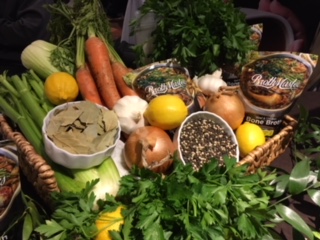
broth mastersThere are so many health benefits to bone broth. It is loaded with calcium, protein, potassium, collagen, and amino acids. But the benefits go beyond this.  Bone broth has been found to reduce inflammation as it is high in sulfated glycosaminoglycans (GAG’s) and glucosamine and chondroitin sulfate, which numerous studies have found help reduce inflammation (and pain) in the body.
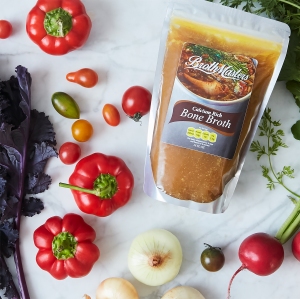
All said, bone broth is powerful nutrition for anyone struggling with the side effects of conventional cancer treatment. Soothing to the throat and nourishing to the body.

The gelatin in bone broth supports healthy digestion. Importantly, bone broth helps repair the lining of your gut, which is something we hear about all of the time now.  Gut health=overall health. Leaky gut is the root cause of autoimmune disorders and many cancers.

Order Broth Masters HERE. PLEASE ENJOY 15% OFF ANY 10 PACK OR MORE USING THE CODE THANKFUL2024 NOW THROUGH SUNDAY 12/1/2024 AT 11:59 PM! 

You can make your own bone broth quite easily. Simply put the desired bones (chicken, beef, or a combination of both) into a pot; add some apple cider vinegar and let sit for about an hour. Add water to cover the bones, add a bunch of chopped vegetables and Celtic sea salt and boil. (You can google a plethora of recipes).  The problem for most of us is that you have to simmer this concoction for 24-72 hours, which can be an issue.

Hence, most of us resort to store-bought versions, which lack nutrients and taste. Some are down-right unhealthy, containing pesticides, fungicides, fluoride, and more.

This weekend I attended a wellness conference geared towards optimal health for all. I was gifted the opportunity to taste the best bone broth ever.  So, if you don’t have the time or desire to make your own, please know that Broth Masters broth is amazing. The combination of chicken and beef bones combined with the vegetables boosts the flavor.

I am not a fan of selling anything, but these folks are lovely—health conscious right down to the bone (pun intended).  However, right now if you use the code BROTH4LIFE you can receive $10 off your first order and if you buy a 20-pack, you get free shipping. Bon Appetit.

brothmasters photoOrder Broth Masters HERE.

Ingredients: Filtered water, grass fed beef bones, free range chicken bones, organic onions, organic carrots, organic celery, garlic, lemon juice, organic parsley and bay leaves.

Nutrition: (per cup, according to Broth Master independent studies)

  • 30% of your daily calcium requirement
  • 14 grams protein and only 80 calories
  • 290 mg potassium
  • 150 mg of sodium

Elyn

~~If you don’t know your options, you don’t have any~~

Elyn Jacobs is a breast cancer survivor and holistic cancer strategist who helps people make better, healthier, non-toxic choices. She emphasizes the critical nature of addressing the root cause of cancer and not just its presenting symptoms (such as the tumor). Elyn specializes in understanding the role of estrogen in breast cancer and debunks the myths associated. She is a Contributing Editor for The Truth About Cancer and was creator and host of the Survive and Live Well Radio Show on the Cancer Support Network. Elyn is on the Medical Advisory Board for BeatCancer.Org and is on the Advisory Board to the Radical Remission Project. Elyn was the former Executive Director of the Emerald Heart Cancer Foundation. Contact Elyn via her website. Elyn offers consults via Skype, phone or in person.

 Follow Elyn on LinkedIn

Cauliflower Black Beluga Lentil Stew

In Anticancer foods, foods for colon cancer, foods for breast cancer, Breast Cancer, Cancer, Uncategorized on November 5, 2017 at 6:58 pm

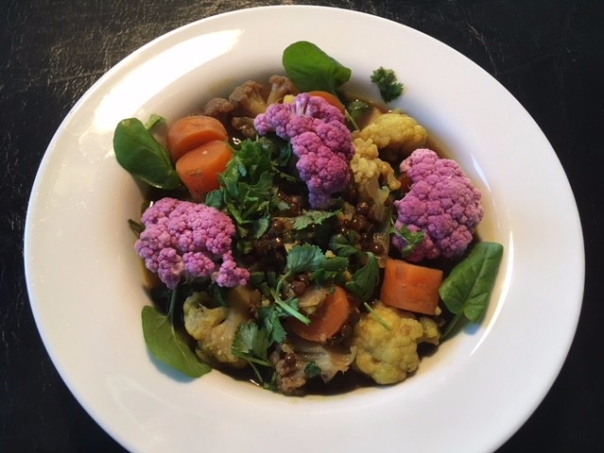
This cauliflower-black lentil stew is so delicious — please try it as it is loaded with health-promoting ingredients. It is so versatile. Today I did not have sweet potatoes or spinach on hand so I used carrots and watercress–but I did have both white and purple cauliflower, which was amazing. Other times I used the sweet potatoes and spinach. Always delicious.

cauliflower black lentilCauliflower-Black Lentil Stew:

Ingredients:

1 tablespoon coconut oil or ghee

1 large onion, diced, or 4 shallots, sliced

1 tablespoon minced fresh ginger, or 1 tsp dried

1-2 tablespoons curry powder or turmeric, to taste

1 ½ teaspoons ground coriander

¼ teaspoon cayenne pepper (optional)

1 1/2 teaspoon ground cumin

1 teaspoon Ceylon cinnamon

½ teaspoon ground cardamom

4 cups chicken bone broth or vegetable stock

1 cup black beluga lentils (red lentils may be substituted)

1 head cauliflower, cut into bite-sized florets

1 medium sweet potato, diced but not peeled (optional)

3 large carrots, sliced but not peeled,  3/4 inch thick (optional, but best to include either carrot or sweet potato or both)

3 stalks celery, sliced 1/4 inch thick (optional, but provides valuable anti-cancer apigenin)

1 cup baby spinach, arugula, or other green leafy vegetable, chopped if large leaves

1 teaspoon fine-grain Celtic sea salt (or Real Salt)

Freshly ground black pepper

1/2 cup chopped cilantro

1 avocado, optional, skin and seed removed, diced, or 1 tsp olive oil

Serves 4

Serve with Super Seed Bread or Flax Seed Muffins

  1. In a large saucepan, heat the coconut oil or ghee over low heat. Add the onion and sauté for 6-7 minutes until translucent. Add the garlic and sauté 1 more minute
  2. Stir in the spices and sauté for 2 more minutes
  3. Add the broth and lentils and stir to combine. Bring to a low boil, then reduce heat and simmer for 4-5 minutes
  4. Add the cauliflower, sweet potato and/or carrot, and celery. Cover and cook over low heat for 20-25 minutes, until the vegetables are tender. Season with salt and pepper
  5. Add the greens of choice and cook 3-5 minutes more, depending on the toughness of the greens
  6. Stir in cilantro; divide into 4 bowls
  7. Drizzle with olive or or top with diced avocado, if desired (the healthy fat will boost absorption of nutrients)


Why You Should Eat This: (beyond tempting your taste buds):

Cauliflower contains a variety of antioxidants that protect and repair DNA. It also exhibits strong anti-inflammatory activity that help detoxify the body of harmful toxins.

Onions and shallots have many anticancer benefits, offering potent antioxidant and anti-proliferation apoptotic abilities.

Garlic protects organs from heavy metal toxicity and contains the anticancer powerhouse B6.

Carrots reduce cancer growth and lower inflammation

Celery is rich in apigenin, which induces apoptosis through the p53 pathway

Sweet potatoes have many anticancer properties that dramatically lower one’s risk for breast and other cancers.

Ceylon cinnamon has cytotoxic properties (toxic to cancer cells) and helps regulate blood sugar

Curcumin (turmeric) is a powerful anti-inflammatory, anticancer spice that cuts off many pathways for cancer

Cumin is rich in antioxidants and is a natural immunity booster

Black beluga lentils are a rich source of plant protein and have high concentration of cancer-fighting anthocyanins

Spinach gives cancer the one-two punch. It protects DNA and inhibits cancer cell and tumor growth.

Cilantro is a strong detoxifier of heavy metals such a mercury

Avocado and olive oil offer significant anti-cancer, health-boosting nutrients

Elyn

~~If you don’t know your options, you don’t have any~~

Elyn Jacobs is a breast cancer survivor and holistic cancer strategist who helps people make better, healthier, non-toxic choices. She emphasizes the critical nature of addressing the root cause of cancer and not just its presenting symptoms (such as the tumor). Elyn specializes in understanding the role of estrogen in breast cancer and debunks the myths associated. She is a Contributing Editor for The Truth About Cancer and was creator and host of the Survive and Live Well Radio Show on the Cancer Support Network. Elyn is on the Medical Advisory Board for BeatCancer.Org and is on the Advisory Board to the Radical Remission Project. Elyn was the former Executive Director of the Emerald Heart Cancer Foundation. Contact Elyn via her website. Elyn offers consults via Skype, phone or in person.